
 Oil On CanvasWallArtBaroque
 1638Early Modern
 218.0 x 133.0 cm
由我们的艺术家按需定制,为您提供您所选尺寸及画框的布面手工油画。 ( 切换至版画销售渠道 切换至数字图像销售渠道)





























从与原作比例一致的预设尺寸中进行选择。

您可以输入自定义尺寸,以适配特定的画框或空间。如果所选尺寸与原图比例不符,我们将通过裁剪作品或添加手绘元素来扩展画面。数字样稿将在制作开始前发送给您确认。
请注意,屏幕预览无法准确反映实际的裁剪或扩展效果,只有样稿才能真实呈现最终的构图。
虽然我们提供定制尺寸服务,但为了保留原作比例,建议您从预设列表中选择尺寸。

Lord George Stuart
复制品尺寸
To gaze upon this portrait of Lord George Stuart is to step directly into the opulent, yet deeply thoughtful, world of early seventeenth-century English aristocracy. Sir Anthony van Dyck, the master painter whose brushstrokes seemed imbued with aristocratic grace, has captured not merely a likeness, but an entire persona. The subject stands forth with an air of studied nobility, draped in rich blue robes contrasted by the luminous sweep of a yellow hooded cloak. His posture is deliberate, commanding attention while simultaneously inviting contemplation. Van Dyck’s genius lies in his ability to imbue even a formal portrait with a sense of living narrative; Lord George does not simply sit for his portrait—he embodies a role.
The technical brilliance on display here is breathtaking. Van Dyck, having absorbed the dynamism of Rubens while forging his own signature elegance, utilizes light and shadow with unparalleled skill. Observe how the folds of the fabric catch the imagined daylight; they are rendered with a velvety depth that speaks to the quality of the oil paint and the artist's meticulous hand. The background composition is equally masterful. Far from being a mere backdrop, the depiction of lush trees set against distant, majestic mountains provides an expansive stage for the sitter. This juxtaposition—the intimate portraiture against the grandeur of nature—is a hallmark of high Baroque art, suggesting that the subject’s status extends beyond his immediate surroundings.
The props within this painting are as significant as the sitter himself. The staff held gently in his hand is more than just an accessory; it functions as a visual anchor, lending him an air of authority or perhaps scholarly weight. Coupled with the rich vestments, these elements speak volumes about Lord George Stuart’s station and expected conduct within the courtly sphere. The colors themselves carry symbolic weight: blue often denotes loyalty and steadfastness, while yellow can suggest divine favor or high status. Van Dyck was a painter deeply attuned to the visual language of power, ensuring that every element—from the drape of the cloak to the distant peaks—contributes to an overall aura of cultivated magnificence.
Owning a reproduction of this work is acquiring more than just decoration; it is curating a piece of historical grandeur. For the discerning collector or designer, this portrait offers unparalleled depth. It speaks to an era where patronage was both an art form and a social necessity. The emotional impact is one of stately contemplation—a feeling of looking back at a time of profound cultural flourishing. Whether placed in a formal drawing-room or a library meant for quiet reflection, the presence of Lord George Stuart reminds the viewer of enduring elegance, masterful craftsmanship, and the timeless allure of aristocratic portraiture.
Painted around 1638, this work stands at the zenith of Van Dyck’s career when his English commissions were reaching their peak. It encapsulates the transition from the robust colorism of Rubens toward a more refined, almost lyrical elegance that would define much of later English portraiture. To reproduce this piece is to bring home a tangible echo of Antwerp's artistic might meeting the sophisticated tastes of the English court.


1599 - 1641 , 比利时

探索伦勃朗25幅杰作,领略荷兰黄金时代光影大师的艺术传奇!从《夜巡》到自画像,深入了解巴洛克艺术、历史绘画与人物肖像背后的故事。WahooArt.com提供高清艺术复制品及家居装饰灵感。立即探索完整系列!

Immerse yourself in the captivating world of slate blue! Explore 10 iconic paintings by Monet, Van Gogh & Renoir. Discover their stories, techniques & find museum-quality art reproductions for your home at .

Explore the elegant world of Charles-André van Loo, a master of Rococo portraiture at the French court. Discover his life, techniques, and enduring influence on 18th-century art. Hand-painted reproductions available.
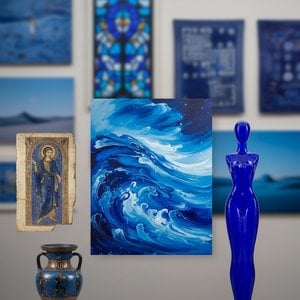
Explore the rich history of blue in art! Discover its symbolism, from ancient pigments to modern masterpieces by Kandinsky & Seurat. Uncover the psychological impact and cultural meanings behind this captivating hue.

Explore the life & legacy of Sir Anthony van Dyck, the leading court painter of his era. Discover his innovative portraiture, Baroque masterpieces, and investment potential for discerning collectors. Learn more at WahooArt.


 效果预览
效果预览
 分享
分享 分享
分享
 详情
详情

 下载
下载
 相似作品
相似作品 X射线
X射线 幻灯片播放
幻灯片播放 统计数据
统计数据 展开详情
展开详情









 玻璃选项仅适用于110厘米以下的尺寸。


