
 Acrylic On CanvasWallArtBaroque
 1626
1626 102.0 x 79.0 cm
 巴伯美术学院
博物馆级艺术微喷或帆布版画,制作高效,并提供多种饰面选择。 ( 购买手绘画作 Switch to Digital Image)





























从与原作比例一致的预设尺寸中进行选择。

您可以输入自定义尺寸,以适配特定的画框或空间。如果您选择的尺寸与原图比例不符,我们将对作品进行裁剪,或通过镜像填充/纯色填充边缘的方式来扩展图像。在开始制作之前,我们会向您发送一份数字效果图供您确认。
请注意,屏幕上的预览并不能反映实际的裁剪或扩展效果。只有效果图才能准确展示最终的构图。
虽然我们提供定制尺寸,但为了保持原图比例,我们建议您从预设列表中选择尺寸。

Ecce Homo
复制品尺寸
Sir Anthony van Dyck’s “Ecce Homo,” painted circa 1625-1626, is not merely a depiction of Christ before Pilate; it's an intensely human portrayal of sorrow, humility, and the profound weight of sacrifice. Born in Antwerp during a period of artistic ferment, Van Dyck inherited a rich tradition of religious painting while simultaneously forging his own distinctive style—one characterized by elegant composition, masterful use of light, and a remarkable ability to capture psychological depth. This particular work, housed within the Barber Institute of Fine Arts in Birmingham, stands as a testament to his skill and a poignant meditation on faith and humanity.
The scene itself is strikingly direct. Jesus, rendered with an almost sculptural quality, is presented before Pontius Pilate – though Pilate himself remains largely absent, a deliberate choice that forces the viewer to confront the suffering of Christ directly. The figure’s posture—arms outstretched in what appears to be both resignation and quiet defiance—is instantly recognizable as the archetype of Christian martyrdom. The stark contrast between the luminous quality of Jesus' face and the shadowed background immediately draws attention to his emotional state, conveying a sense of profound grief and acceptance.
Van Dyck’s approach is firmly rooted in the Baroque period, yet he transcends mere stylistic imitation. He employs dramatic lighting—a chiaroscuro technique reminiscent of Caravaggio—to sculpt the figures and heighten the emotional intensity. The deep shadows surrounding Christ emphasize his vulnerability, while the subtle highlights illuminate his face, revealing a quiet strength amidst overwhelming sorrow. This masterful manipulation of light isn’t simply aesthetic; it serves to draw the viewer into the scene, inviting them to contemplate the weight of Christ's sacrifice.
Crucially, Van Dyck avoids sentimentality. He doesn’t indulge in theatrical gestures or overly dramatic expressions. Instead, he focuses on conveying a sense of inner turmoil—a quiet dignity and profound sadness that speaks volumes about the man who bore the burden of humanity’s sins. The subtle details – the folds of his robe, the lines etched into his face – all contribute to this remarkable portrayal of psychological realism.
The “Ecce Homo” scene itself carries significant symbolic weight. Derived from John 19:5, it represents the moment when Pilate presents Jesus to a hostile crowd as their King, effectively acknowledging his innocence while simultaneously condemning him to death. The act is deeply ironic—a testament to the indifference of power and the tragic consequences of injustice. Van Dyck’s painting serves as a powerful reminder of the historical context in which this event unfolded – a time of political turmoil, religious conflict, and profound moral questions.
Furthermore, the image resonates with broader theological themes—the concept of redemption through suffering, the sacrifice of innocence for the salvation of humanity. Van Dyck’s masterful execution elevates this complex narrative into a timeless meditation on faith, compassion, and the enduring power of human spirit.
Today, “Ecce Homo” continues to captivate audiences with its emotional resonance and artistic merit. WahooArt offers meticulously crafted reproductions that faithfully capture the painting’s original beauty and depth. Whether displayed in a grand salon or a smaller private space, this iconic image serves as a poignant reminder of humanity's capacity for both suffering and grace—a timeless testament to one of history’s greatest artists.


1599 - 1641 , 比利时
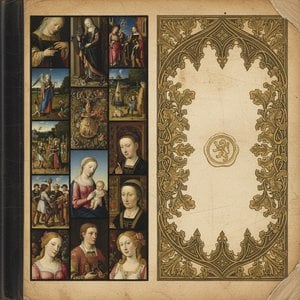
Journey into the world of Early Netherlandish painting! Explore 10 masterpieces by Jan van Eyck, Rogier van der Weyden & more. Discover stunning detail, symbolism & Renaissance art for your home decor. Find museum-quality reproductions on WahooArt.com

Explore the life & legacy of Sir Anthony van Dyck, the leading court painter of his era. Discover his innovative portraiture, Baroque masterpieces, and investment potential for discerning collectors. Learn more at WahooArt.

探索巴洛克肖像画的魅力!WahooArt 提供精湛手绘复制品,深入解读历史、技法与大师。专业艺术咨询,打造您的专属艺术空间。值得信赖的选择,尊享品质艺术。

探索伦勃朗25幅杰作,领略荷兰黄金时代光影大师的艺术传奇!从《夜巡》到自画像,深入了解巴洛克艺术、历史绘画与人物肖像背后的故事。WahooArt.com提供高清艺术复制品及家居装饰灵感。立即探索完整系列!

Journey through the Golden Age with our guide to the Top 10 Dutch Baroque masterpieces! Explore iconic paintings by Rembrandt, Vermeer & Frans Hals. Find museum-quality art reproductions and elevate your home decor at WahooArt.com.


 效果预览
效果预览
 分享
分享 分享
分享
 详情
详情

 下载
下载
 相似作品
相似作品 X射线
X射线 幻灯片播放
幻灯片播放 Stats
Stats 展开详情
展开详情









 玻璃选项仅适用于110厘米以下的尺寸。


