
由我们的艺术家按需定制,为您提供您所选尺寸及画框的布面手工油画。 ( 切换至版画销售渠道 切换至数字图像销售渠道)





























从与原作比例一致的预设尺寸中进行选择。

您可以输入自定义尺寸,以适配特定的画框或空间。如果所选尺寸与原图比例不符,我们将通过裁剪作品或添加手绘元素来扩展画面。数字样稿将在制作开始前发送给您确认。
请注意,屏幕预览无法准确反映实际的裁剪或扩展效果,只有样稿才能真实呈现最终的构图。
虽然我们提供定制尺寸服务,但为了保留原作比例,建议您从预设列表中选择尺寸。

Crucifixion
复制品尺寸
Sir Anthony van Dyck's 1622 depiction of the Crucifixion is not merely a representation of a biblical event; it’s a visceral exploration of human suffering and spiritual anguish, rendered with the characteristic grace and emotional intensity that would define the artist’s career. Painted during a pivotal period in his artistic development – following his formative years under Peter Paul Rubens – this work reveals a burgeoning mastery of Baroque techniques combined with a deeply personal engagement with the subject matter. The painting immediately confronts the viewer with the stark reality of Christ's agony, captured through meticulously observed detail and a masterful manipulation of light and shadow. The extended limbs, strained muscles, and contorted face of Jesus powerfully convey the physical torment endured during his final hours. It’s a scene designed not just to depict an event but to evoke a profound emotional response.
Van Dyck's artistic lineage is immediately apparent in this ‘Crucifixion’. He inherited Rubens’ penchant for dynamic composition, evident in the diagonal thrust of the cross itself and the positioning of the figures. However, unlike Rubens’ often exuberant displays, Van Dyck tempers this drama with a refined elegance, a hallmark of his style. The Flemish influence is also palpable – particularly in the careful rendering of textures: the rough-hewn wood of the cross, the folds of Jesus's garment, and the subtle variations in skin tone. This attention to detail elevates the scene beyond simple illustration, transforming it into a study of human form and its vulnerability. The use of chiaroscuro – the dramatic contrast between light and dark – is expertly employed to heighten the emotional impact, focusing our gaze on Christ’s suffering while simultaneously creating an atmosphere of solemnity.
Beyond the immediate depiction of the crucifixion, the painting is rich in symbolic meaning. The presence of the two figures standing at either side of the cross – often interpreted as representing John the Evangelist and Mary Magdalene – underscores the profound grief and devotion surrounding Christ’s sacrifice. The solitary bird perched near the top left corner has been suggested to represent the soul ascending towards heaven, a common motif in religious art of the period. The overall composition speaks to themes of redemption, faith, and the ultimate triumph over death. Van Dyck doesn't offer easy answers; instead, he presents a challenging meditation on human mortality and spiritual yearning.
Completed in 1622, this ‘Crucifixion’ represents a crucial step in Van Dyck’s artistic journey. It foreshadows the emotional depth and psychological insight that would become central to his later portrait work, solidifying his reputation as one of the most significant artists of the Baroque era. A hand-painted reproduction offers an unparalleled opportunity to experience the power and beauty of this seminal artwork – a testament to Van Dyck’s genius and a poignant reminder of humanity's enduring struggle with faith and suffering. This piece is ideal for those seeking to infuse their spaces with a sense of gravitas, contemplation, or simply appreciate the mastery of a true artistic visionary.


1599 - 1641 , 比利时

Journey through the Golden Age with our guide to the Top 10 Dutch Baroque masterpieces! Explore iconic paintings by Rembrandt, Vermeer & Frans Hals. Find museum-quality art reproductions and elevate your home decor at WahooArt.com.

探索伦勃朗25幅杰作,领略荷兰黄金时代光影大师的艺术传奇!从《夜巡》到自画像,深入了解巴洛克艺术、历史绘画与人物肖像背后的故事。WahooArt.com提供高清艺术复制品及家居装饰灵感。立即探索完整系列!

Explore the life & legacy of Sir Anthony van Dyck, the leading court painter of his era. Discover his innovative portraiture, Baroque masterpieces, and investment potential for discerning collectors. Learn more at WahooArt.
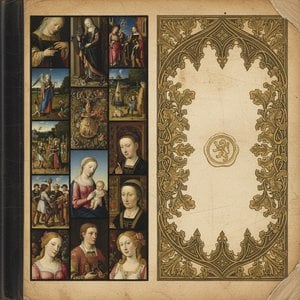
Journey into the world of Early Netherlandish painting! Explore 10 masterpieces by Jan van Eyck, Rogier van der Weyden & more. Discover stunning detail, symbolism & Renaissance art for your home decor. Find museum-quality reproductions on WahooArt.com
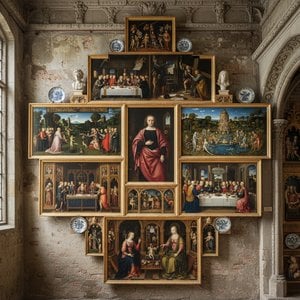
Journey into the Early Netherlandish Renaissance! Explore 10 iconic paintings by Jan van Eyck, Rogier van der Weyden & more. Discover stunning detail, symbolism, and oil painting techniques. Find museum-quality art reproductions for your home at WahooArt.com.


 效果预览
效果预览
 分享
分享 分享
分享
 详情
详情 指南
指南

 下载
下载
 相似作品
相似作品 X射线
X射线 幻灯片播放
幻灯片播放 统计数据
统计数据


 展开详情
展开详情









 玻璃选项仅适用于110厘米以下的尺寸。


