
 Oil On CanvasWallArtImpressionistic Landscape
 Modern
 114.0 x 104.0 cm
 The Munnings Art Museum
由我们的艺术家按需定制,为您提供您所选尺寸及画框的布面手工油画。 ( 切换至版画销售渠道 切换至数字图像销售渠道)





























从与原作比例一致的预设尺寸中进行选择。

您可以输入自定义尺寸,以适配特定的画框或空间。如果所选尺寸与原图比例不符,我们将通过裁剪作品或添加手绘元素来扩展画面。数字样稿将在制作开始前发送给您确认。
请注意,屏幕预览无法准确反映实际的裁剪或扩展效果,只有样稿才能真实呈现最终的构图。
虽然我们提供定制尺寸服务,但为了保留原作比例,建议您从预设列表中选择尺寸。

Study for 'The Ford'
复制品尺寸
In the quiet, mist-laden corners of the British countryside, there exist moments of profound stillness that seem to hold the breath of history itself. Sir Alfred James Munnings, a master of the equine form and a titan of 20th-century British art, captured such a moment in his evocative work, Study for 'The Ford'. This piece is far more than a mere depiction of animals crossing water; it is an immersive sensory experience that transports the viewer to the edge of a riverbank, where the air is thick with the scent of damp earth and the rhythmic splashing of hooves. Through his masterful command of light and movement, Munnings invites us into a world where the boundaries between man, beast, and nature blur into a singular, poetic expression of life in motion.
The composition centers on a striking scene of strength and grace: a solitary figure, dressed with an unexpected touch of formal elegance in a suit and tie, guides three horses through the shallow currents of a ford. The contrast between the man's structured attire and the raw, untamed energy of the animals creates a captivating tension. Each horse is rendered with distinct character—a snowy white, a deep chestnut, and a midnight black—emerging from the water like specters from a dream. As they traverse the river, the water breaks around their legs in delicate ripples, reflecting the muted, atmospheric tones of the sky above. It is a scene that balances the heavy physicality of the horses with the ethereal, fleeting quality of light dancing upon the surface of the stream.
Munnings’s technique in this study reveals the heart of the Impressionist movement applied to the rugged textures of rural life. Eschewing the sterile precision of photographic realism, the artist employs a vigorous, impasto application of oil paint. His brushstrokes are bold and deliberate, layered upon the canvas to create a palpable texture that mimics the very elements he depicts. One can almost feel the weight of the horses' muscles and the cool, fluid resistance of the river through the thick, tactile ridges of paint. This method allows for a brilliant play of light; the highlights on the horses' coats and the shimmering reflections in the water are not merely painted, but sculpted onto the surface.
The color palette is a sophisticated study in subtlety, dominated by earthy browns, slate greys, and soft silvers. These tones evoke the "grey-weather" days that Munnings so cherished—those overcast, serene moments when the light is diffused and the landscape takes on a melancholic, timeless quality. By prioritizing atmosphere over minute detail, the artist achieves a sense of immediacy. The viewer does not just observe the scene; they feel the dampness of the riverbank and the quiet anticipation that precedes the movement of the herd. This mastery of tone ensures that the painting possesses a depth that remains captivating even upon repeated viewings.
Historically, Study for 'The Ford' serves as a poignant tribute to a vanishing way of life. Created during a period when the traditional rhythms of the English countryside were beginning to face the pressures of modernity, Munnings’s work acts as a preservation of heritage. The horse, a symbol of nobility and an unbreakable bond with the land, stands at the center of his artistic mission. For the collector or the interior designer, this piece offers more than just aesthetic beauty; it brings a sense of historical weight and pastoral tranquility to any space. It is a work that commands attention through its quiet dignity rather than through loud or jarring colors.
Whether placed in a grand library, a sophisticated study, or a contemporary living space, this reproduction serves as a window into the romanticized soul of the United Kingdom. It provides an anchor of stability and grace, making it an ideal choice for those looking to infuse their surroundings with a sense of cultured nostalgia and enduring strength. To own such a piece is to possess a fragment of the English pastoral tradition—a permanent reminder of the beauty found in the simplest, most fleeting moments of nature.

艾爾弗雷德·詹姆斯·穆寧斯(1878年出生於英格蘭蘇福克),是一位與英國鄉村美景和馬匹畫藝術聯繫緊密的藝術家,在二十世紀英國藝術史上佔據著關鍵地位。他出生於充滿活力的蘇福克地區,與馬匹世界建立了持久而深刻的聯繫——這種聯繫定義了他的藝術視界並推動了他獲得了廣泛的認可。穆寧斯不僅記錄了視覺上的景象,而且保存了一種感覺、一種氛圍和一個即將面臨徹底改變的世界。他捕捉到了消失的生活方式,這是一幅充滿傳統、狩獵和鄉村氣息的英國畫卷。
穆寧斯藝術生涯始於倫敦印刷廠,而不是傳統藝術學院,這種經歷不僅磨練了他的設計技能和觀察力,還讓他能夠在與藝術家身份確立的挑戰中獲得豐富的經驗。他受到康沃爾新藝術學校畫家的影響,他們對捕捉自然光線和空氣氛圍的堅定承諾為他的風格奠定了基礎——即自由的筆觸、鮮豔的色彩和充滿動感的感覺。早期的作品經常描繪鄉村風景,特別是吉普賽和馬匹在蘇福克鄉野奔馳的場景,這些畫作充滿浪漫主義情懷,展現了他對色彩和光線日益精湛的掌握能力。這些畫不僅僅是對景象的記錄,更是對土地和居民們深深的愛好表達。
第一次世界大戰深刻地影響了穆寧斯的思想和社會地位。儘管他最初被認為不適合參與軍事行動,但他作為加拿大騎兵團的官方畫家服務於戰爭時期,記錄了馬匹在戰爭中的重要作用。這次經歷讓他在現實面前面對了戰爭的殘酷與美學價值之間的複雜關係。他的作品反映了當時社會的關注和藝術家的專業精神,他以卓越的繪畫技巧和對傳統藝術價值的堅持而聞名於世。穆寧斯是一位熱愛馬匹的畫家,並將其視為藝術創作的重要靈感來源。他不僅僅是記錄了馬匹的美麗外觀,更重要的是捕捉到了它們的精神和力量。
穆寧斯是一位永恆的馬畫家,他的藝術成就不僅僅體現在他精湛的繪畫技巧上,更重要的是他在傳統藝術價值觀中堅定而熱忱的捍衛。

1878 - 1959 , 英國
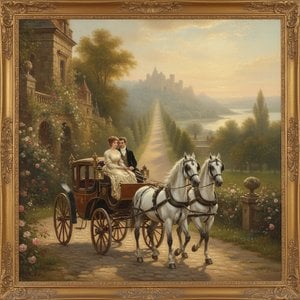
Embark on a visual journey through the romantic world of horse carriage art. Discover the mastery of equestrian oil paintings, from Impressionist textures to classical realism, and learn how to bring timeless elegance into your home with museum-quality reproductions.

Discover the breathtaking equestrian mastery of Sir Alfred James Munnings. Explore an art-history journey through his impressionistic captures of motion, light, and rural elegance, perfect for the discerning classic art enthusiast and collector.

Master the nuances of Impressionism vs. Post-Impressionism with our expert guide. Explore the revolutionary shift from Monet’s fleeting light to Van Gogh’s emotional depth. Discover how these iconic movements continue to inspire fine art collectors and modern interiors today.


 效果预览
效果预览
 分享
分享 分享
分享
 详情
详情 指南
指南

 下载
下载
 相似作品
相似作品 X射线
X射线 幻灯片播放
幻灯片播放 统计数据
统计数据 展开详情
展开详情









 玻璃选项仅适用于110厘米以下的尺寸。


