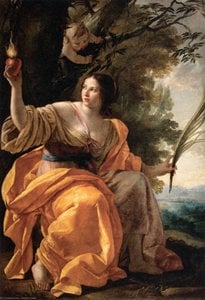
Oil On CanvasWallArtBaroque Painting
 1638
1638 57.0 x 42.0 cm
 Fitzwilliam 学院
购买高分辨率增强版数字图像,其品质远超在线预览。
每一份文件都由我们的内部专家使用先进工具与专业的后期润色技术精心打造。我们确保每一张图像都具备卓越的清晰度、精准的色彩还原度以及细腻的细节表现。
最终文件将在 72 小时内通过电子邮件交付,并针对专业、编辑及印刷用途进行了优化。其品质与顶级设计工作室、出版社和画廊所信赖的标准完全一致。
选择 WahooArt.com,您获得的不仅仅是一张图像——您收到的是经过专业级增强、精雕细琢的数字艺术作品,并享有满意保证。以下是您的订单中自动包含的所有内容:

您的高分辨率数字图像文件将在下单后 72 小时内通过电子邮件发送给您 —— 即可立即使用。

您的艺术品经过专业优化,结合先进的 AI 技术与人工修饰,确保呈现极致的细节、清晰度与色彩准确度。

不小心删除了文件或找不到了?没关系——我们将随时为您免费重发。

即刻拥有您的艺术作品,无需支付任何关税、税费或运费——数字下载始终免税。

我们通过专业工具与色彩管理技术,确保您的数字图像尽可能真实地还原原作色彩。

如果您对所购数字图像不满意,我们将在100天内为您进行修改或提供100%的全额退款——无需任何理由。

不满意?在收到数字文件后的100天内,您可以申请全额退款——无需任何理由。

购买 3 张图片可享 10% 折扣 - 购买 5 张可享 15% 折扣 - 购买 10+ 张可享 20% 折扣。非常适合创意项目、画廊和机构使用。
Simon Vouet's "The Entombment," painted in 1635–1638, is not merely a depiction of a biblical scene; it’s an exquisitely rendered meditation on grief, faith, and the profound dignity of sacrifice. This monumental work, currently residing within the collection of the Fitzwilliam Museum in Cambridge, transcends its subject matter to become a powerful testament to the Baroque era's ability to evoke intense emotion through masterful technique and carefully considered symbolism. Vouet, a pivotal figure in bridging the gap between Mannerism and the burgeoning Baroque style in France, imbued this piece with the dramatic lighting and emotional depth that would define his career.
The painting immediately draws the viewer into a scene of palpable sorrow. Jesus Christ, recently taken from the cross, lies supine within a richly appointed tomb – a bed draped in luxurious fabrics, its details suggesting both earthly comfort and impending finality. The figures surrounding him are rendered with an almost sculptural quality, their bodies conveying a range of emotions: Mary Magdalene, her face etched with anguish, gently lays her head upon Christ’s chest; John the Evangelist kneels in prayer, his posture reflecting deep contemplation; while other mourners – including soldiers and attendants – stand as witnesses to this solemn event. Vouet's skill lies not just in capturing individual likenesses but in conveying the collective weight of grief that permeates the scene.
Vouet’s mastery of technique is evident in every brushstroke. He employed a layered approach, building up the image through numerous glazes – a hallmark of his style and one that contributes to the painting's luminous quality. The use of *chiaroscuro*, or dramatic contrasts between light and shadow, is particularly striking. The soft, diffused light emanating from an unseen source illuminates Christ’s body and the faces of the mourners, while plunging the tomb into a deeper darkness, symbolizing death and the unknown. This interplay of light and shadow not only creates a sense of drama but also directs the viewer's eye to the most important elements of the composition.
Furthermore, Vouet’s attention to detail is remarkable. The textures of the fabrics – the velvet, linen, and wool – are rendered with astonishing realism, as are the folds of Christ’s garments and the expressions on the faces of the figures. The artist's meticulous observation of anatomy and drapery reflects his extensive training in Italy, where he had spent much of his early career studying the works of masters like Titian and Veronese. The composition itself is carefully balanced, with a clear sense of depth and perspective that draws the viewer into the scene.
Beyond its technical brilliance, “The Entombment” is rich in symbolic meaning. The tomb itself represents not just death but also resurrection – the promise of eternal life offered through Christ’s sacrifice. The presence of Mary Magdalene, traditionally depicted as a repentant sinner, underscores the theme of redemption and forgiveness. The soldiers guarding the tomb symbolize earthly authority and the limitations of human power to prevent divine destiny. The bird perched atop the tomb, often interpreted as an angel or dove, represents hope and the arrival of the Holy Spirit.
Moreover, the painting’s emotional intensity speaks to a broader spiritual concern – the universality of suffering and the importance of compassion. Vouet's depiction of grief is not merely sentimental; it is profoundly moving, inviting viewers to contemplate their own experiences of loss and mortality. The scene resonates with the viewer on a deeply human level, reminding us of the enduring power of faith and the significance of acts of kindness and empathy.
“The Entombment” stands as a quintessential example of Baroque art – a fusion of technical virtuosity, dramatic emotion, and profound symbolism. Simon Vouet’s ability to capture both the physical beauty of his subjects and the depth of their emotional experience is truly remarkable. Reproductions of this masterpiece offer an opportunity to bring its elegance and spiritual resonance into any setting, serving as a poignant reminder of humanity's shared journey through life and death.

西蒙·武埃是法国绘画从风格主义向巴洛克风格过渡时期的一位关键人物。他出生于一个艺术家庭——他的父亲洛朗是一位画家,他的兄弟奥班也投身于艺术领域——武埃接受了早期训练,这为他未来的成功奠定了基础。他的孙子路多维科·多里尼将延续这个家族的艺术血脉。
在意大利的流放期间,武埃吸收了各种各样的影响。他学习了卡拉瓦乔开创的戏剧性光影技巧,采纳了意大利风格主义的元素,并细致分析了帕奥洛·维罗内塞所采用的调色板和di sotto in su(仰视透视法)。他还从卡拉奇、圭尔奇诺、兰弗兰科和圭多·雷尼的作品中汲取灵感,将这些不同的风格综合成了一种独特的艺术视野。
西蒙·武埃的遗产在于他作为意大利艺术与法国艺术之间一座关键桥梁的作用。他成功地引入了意大利巴洛克的活力和宏大,并将其转化为一种与法国宫廷和贵族品味产生共鸣的风格。他在17世纪法国绘画的发展中留下的影响是不可否认的,他的贡献至今仍受到艺术史学家的认可。

1590 - 1649 , 法国


 效果预览
效果预览
 切换至版画销售渠道
 分享
分享 分享
分享
 详情
详情

 下载
下载
 相似作品
相似作品 X射线
X射线 幻灯片播放
幻灯片播放 统计数据
统计数据 展开详情
展开详情