x


 Oil On CanvasWallArtBaroque
 1623
1623 241.0 x 171.0 cm
 国家美术馆
国家美术馆




























从与原作比例一致的预设尺寸中进行选择。

您可以输入自定义尺寸,以适配特定的画框或空间。如果所选尺寸与原图比例不符,我们将通过裁剪作品或添加手绘元素来扩展画面。数字样稿将在制作开始前发送给您确认。
请注意,屏幕预览无法准确反映实际的裁剪或扩展效果,只有样稿才能真实呈现最终的构图。
虽然我们提供定制尺寸服务,但为了保留原作比例,建议您从预设列表中选择尺寸。

St Mary Magdalene
复制品尺寸
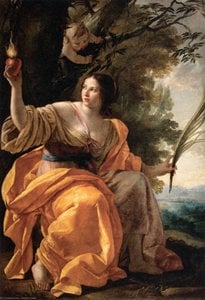
Simon Vouet's "St Mary Magdalene," painted in 1623, is not merely a portrait; it’s an immersive experience—a window into the soul of a woman grappling with profound repentance and spiritual awakening. This arresting work, now meticulously reproduced as a museum-quality print, transcends its historical context to resonate powerfully with contemporary viewers. Vouet, a pivotal figure in bridging the gap between Mannerism and Baroque painting in France, masterfully employs dramatic chiaroscuro—the stark contrast between light and shadow—to draw our attention directly to Mary Magdalene’s face, an expression of both vulnerability and unwavering faith.
The painting's genesis lies within the vibrant artistic landscape of Rome during the early 17th century. Vouet, having spent formative years in Italy absorbing the techniques of masters like Guido Reni and Carracci, returned to France armed with a new vision—a Baroque sensibility characterized by emotional intensity, dynamic composition, and an almost theatrical use of light. “St Mary Magdalene” exemplifies this shift perfectly. It departs from the more static and idealized depictions prevalent in earlier portraiture, instead presenting a figure imbued with palpable emotion and psychological depth.
Beyond its aesthetic beauty, "St Mary Magdalene" is rich in symbolic meaning. The skull resting upon the rock at the base of the composition—a ubiquitous motif in Christian art—serves as a potent reminder of mortality and the transience of earthly existence. It’s not presented with morbid horror, however, but rather as a grounding element, anchoring Mary's spiritual journey within the realities of human experience. The Magdalene’s posture – head bowed, hand resting gently on her arm – speaks to introspection and humility, suggesting a deep engagement with her past and a willingness to confront her own imperfections.
The setting itself contributes significantly to the painting’s symbolic weight. The rugged, almost desolate landscape—a rocky expanse under a dramatic, cloud-streaked sky—mirrors Mary's internal state of turmoil and redemption. It’s a space of solitude and reflection, where she can confront her demons and seek solace in faith. The muted palette – dominated by earthy browns, deep reds, and subtle blues – further reinforces this sense of solemnity and introspection.
Vouet’s technical skill is immediately apparent in the meticulous detail with which he renders Mary Magdalene's features. Her face—characterized by delicate modeling, subtle shading, and a remarkable sensitivity to light—is both strikingly beautiful and profoundly expressive. The artist skillfully employs sfumato, a technique perfected by Leonardo da Vinci, to create soft transitions between tones, lending an ethereal quality to the figure’s appearance.
Furthermore, Vouet's mastery of composition is evident in the dynamic arrangement of elements within the painting. The diagonal lines created by Mary Magdalene’s posture and the placement of the skull draw the viewer’s eye into the scene, while the atmospheric perspective—the use of lighter tones to suggest distance—creates a sense of depth and spatial realism. The brushwork is remarkably smooth and refined, reflecting Vouet's meticulous approach to his craft.
"St Mary Magdalene" remains a powerful testament to the enduring appeal of Christian iconography and the transformative power of faith. Whether viewed as a historical masterpiece or a contemporary work of art, it continues to captivate audiences with its emotional intensity, symbolic richness, and technical brilliance. As a meticulously reproduced print, this artwork offers an accessible way to experience Vouet’s genius—a chance to contemplate themes of repentance, redemption, and the enduring search for spiritual meaning.

西蒙·武埃是法国绘画从风格主义向巴洛克风格过渡时期的一位关键人物。他出生于一个艺术家庭——他的父亲洛朗是一位画家,他的兄弟奥班也投身于艺术领域——武埃接受了早期训练,这为他未来的成功奠定了基础。他的孙子路多维科·多里尼将延续这个家族的艺术血脉。
在意大利的流放期间,武埃吸收了各种各样的影响。他学习了卡拉瓦乔开创的戏剧性光影技巧,采纳了意大利风格主义的元素,并细致分析了帕奥洛·维罗内塞所采用的调色板和di sotto in su(仰视透视法)。他还从卡拉奇、圭尔奇诺、兰弗兰科和圭多·雷尼的作品中汲取灵感,将这些不同的风格综合成了一种独特的艺术视野。
西蒙·武埃的遗产在于他作为意大利艺术与法国艺术之间一座关键桥梁的作用。他成功地引入了意大利巴洛克的活力和宏大,并将其转化为一种与法国宫廷和贵族品味产生共鸣的风格。他在17世纪法国绘画的发展中留下的影响是不可否认的,他的贡献至今仍受到艺术史学家的认可。

1590 - 1649 , 法国

Elevate your collection with the dramatic grandeur of Baroque oil masterpieces. WahooArt offers exquisite, hand-painted reproductions of the Great Masters, featuring authentic chiaroscuro and premium textures. Discover bespoke artistry and expert consultation for elite collectors worldwide.


第一时间获取最新的艺术新闻、独家优惠及装饰灵感。
向我们介绍您的项目需求,我们的艺术专家将为您提供 3 个个性化的艺术品推荐。
由我们的专家为您精选 3 款心仪之作 —— 完全免费!


 效果预览
效果预览
 购买印刷品
购买印刷品 分享
分享 分享
分享
 详情
详情

 下载
下载
 相似作品
相似作品 X射线
X射线 幻灯片播放
幻灯片播放 展开详情
展开详情









 玻璃选项仅适用于110厘米以下的尺寸。