购买高分辨率增强版数字图像,其品质远超在线预览。
每一份文件都由我们的内部专家使用先进工具与专业的后期润色技术精心打造。我们确保每一张图像都具备卓越的清晰度、精准的色彩还原度以及细腻的细节表现。
最终文件将在 72 小时内通过电子邮件交付,并针对专业、编辑及印刷用途进行了优化。其品质与顶级设计工作室、出版社和画廊所信赖的标准完全一致。
选择 WahooArt.com,您获得的不仅仅是一张图像——您收到的是经过专业级增强、精雕细琢的数字艺术作品,并享有满意保证。以下是您的订单中自动包含的所有内容:

您的高分辨率数字图像文件将在下单后 72 小时内通过电子邮件发送给您 —— 即可立即使用。

您的艺术品经过专业优化,结合先进的 AI 技术与人工修饰,确保呈现极致的细节、清晰度与色彩准确度。

不小心删除了文件或找不到了?没关系——我们将随时为您免费重发。

即刻拥有您的艺术作品,无需支付任何关税、税费或运费——数字下载始终免税。

我们通过专业工具与色彩管理技术,确保您的数字图像尽可能真实地还原原作色彩。

如果您对所购数字图像不满意,我们将在100天内为您进行修改或提供100%的全额退款——无需任何理由。

不满意?在收到数字文件后的100天内,您可以申请全额退款——无需任何理由。

购买 3 张图片可享 10% 折扣 - 购买 5 张可享 15% 折扣 - 购买 10+ 张可享 20% 折扣。非常适合创意项目、画廊和机构使用。

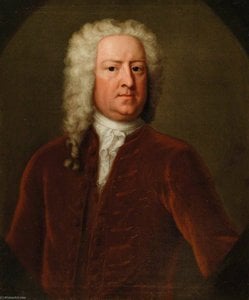
Born in Antwerp during a period of artistic ferment, Simon Dubois (1632-1708) emerged as a significant figure in 17th-century European painting. His career spanned continents – from the bustling art scene of his native Flanders to the refined courts of England and Italy – and encompassed a remarkable range of styles, ultimately solidifying his reputation as a skilled portraitist and a master of dramatic biblical scenes. Dubois’s life was marked by both professional success and personal tragedy, shaping the trajectory of his artistic vision and leaving behind a legacy of evocative works that continue to captivate viewers today.
Dubois' early years were steeped in the traditions of Flemish painting. He received his initial training from Jan van Berchem and Philips Wouwermans in Haarlem, absorbing their techniques for rendering dynamic movement and capturing the essence of animal subjects – a skill that would later inform his depictions of cavalry charges and battle scenes. However, Dubois quickly distinguished himself by embracing the burgeoning Italianate style, characterized by dramatic lighting, theatrical compositions, and an emphasis on emotional intensity. This shift was partly influenced by his travels to Venice and Rome, where he encountered the works of Caravaggio and other masters who pioneered a new approach to painting – one that prioritized psychological realism and intense visual drama.
His arrival in England in 1680 proved pivotal. Dubois quickly gained favor with Lord-Chancellor Somers, securing a lucrative commission for a portrait that established his reputation among the English aristocracy. This patronage opened doors to further opportunities, allowing him to establish himself as a leading court painter and decorate several notable residences. His work during this period is characterized by its elegance, meticulous detail, and a subtle yet powerful sense of drama – qualities he honed through years of studying the works of Van Dyke and other masters.
Dubois’s most enduring contribution to art lies in his series of biblical paintings. These works, often commissioned by religious institutions or wealthy patrons, are not mere illustrations but rather dramatic interpretations of key stories from the Old and New Testaments. He eschewed the traditional, static depictions favored by many of his contemporaries, instead opting for dynamic compositions that capture the energy and emotion of the narratives. His scenes are filled with movement, gesture, and a keen awareness of human psychology – reflecting Caravaggio’s influence.
Notable examples include “The Conversion of Cornelius” and “The Raising of Lazarus,” both characterized by their dramatic lighting, intense expressions, and carefully rendered details. Dubois masterfully employed color to heighten the emotional impact of his scenes, using deep reds and blues to evoke feelings of passion and sorrow, while employing lighter tones to suggest hope and redemption. His depictions of biblical figures are remarkably humanistic, imbuing them with a sense of vulnerability and moral complexity – qualities that resonated deeply with audiences of his time.
It’s important to note the controversy surrounding these works. Dubois cleverly exploited the prevailing admiration for the paintings of Van Dyke, often signing his own pieces as those of the celebrated master, thereby elevating their perceived value and securing commissions. This practice, while ethically questionable, undoubtedly contributed to his success and allowed him to develop his distinctive style.
Alongside his biblical paintings, Dubois was a highly sought-after portraitist. His portraits of prominent figures – including Lord Somers, Archbishop Tenison, and various members of the English aristocracy – are renowned for their elegance, psychological insight, and technical skill. He possessed an uncanny ability to capture not only the physical likeness of his subjects but also their personalities and inner lives.
Dubois’s portraiture reflects the prevailing trends of the era, incorporating elements of both Flemish realism and Italianate drama. His compositions are often carefully arranged, with attention paid to detail in the rendering of clothing, jewelry, and other accessories. He skillfully used light and shadow to create a sense of depth and volume, while employing subtle gestures and expressions to convey his subjects’ emotions.
Simon Dubois died in London in 1708, leaving behind a substantial body of work that continues to be admired for its dramatic intensity, technical skill, and psychological insight. His influence can be seen in the works of later artists, including William Hogarth, who drew inspiration from his dynamic compositions and theatrical lighting.
Dubois’s paintings played a significant role in shaping the visual culture of 17th-century Europe, demonstrating the power of art to convey religious narratives and capture the complexities of human experience. His legacy endures today, as viewers continue to be captivated by his evocative biblical scenes and refined portraits – testaments to the enduring genius of this remarkable artist.

1632 - 1708


 效果预览
效果预览
 切换至版画销售渠道
 分享
分享 分享
分享
 详情
详情 指南
指南

 下载
下载
 相似作品
相似作品 X射线
X射线 幻灯片播放
幻灯片播放 统计数据
统计数据


 展开详情
展开详情