实景预览 AR 试挂 订购此收藏品的纯手工复刻画作 切换至数字图像销售渠道 发送
详情 指南 加入收藏 下载图片 相似作品 X射线 幻灯片播放 统计数据

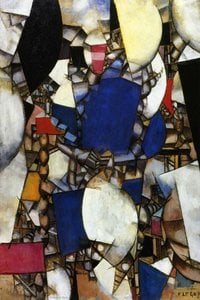
ML, sitting

A poignant portrait of a woman concealing her face in blue and white tones by Neue Wilde master Siegfried Anzinger captures profound existential emotion, inviting you to explore this evocative contemporary masterpiece.

Siegfried Anzinger (b. 1953) is a leading Austrian 'Neue Wilde' painter known for expressive, colorful works exploring existential themes like love, pain & sexuality. Exhibited internationally, documenta 7 & Venice Biennale.

本页面展示的作品受版权法保护,这意味着我们无法合法地制作或销售与其完全相同的复制品。此项保护依据包括以下国际协议等: 伯尔尼公约 以及各国法律,包括下文所述的法律: 美国版权法第17编

这种方法完全符合版权法规,因为它并不涉及对受保护艺术品的复制或翻录。相反,它是一种富有创意的重新诠释——是一件受原作启发、但与原作并不相同的全新绘画作品。

艺术微喷/版画

博物馆级艺术微喷或帆布版画,制作高效,并提供多种饰面选择。 ( 订购此收藏品的纯手工复刻画作 切换至数字图像销售渠道)

Corner sample of the P118B picture frame: 模压聚苯乙烯, 5 cm wide and 3 cm thick
P118B ¥10
Corner sample of the P118H picture frame: 模压聚苯乙烯, 5 cm wide and 3 cm thick
P118H ¥10
Corner sample of the P118W picture frame: 模压聚苯乙烯, 5 cm wide and 3 cm thick
P118W ¥10
Corner sample of the P438Z picture frame: 模压聚苯乙烯, 5.5 cm wide and 3.5 cm thick
P438Z ¥10
Corner sample of the P508JH picture frame: 模压聚苯乙烯, 7 cm wide and 3.5 cm thick
P508JH ¥12
Corner sample of the P508YH picture frame: 模压聚苯乙烯, 7 cm wide and 3.5 cm thick
P508YH ¥12
Corner sample of the P805H picture frame: 模压聚苯乙烯, 5 cm wide and 3.5 cm thick
P805H ¥10
Corner sample of the P805Z picture frame: 模压聚苯乙烯, 5 cm wide and 3.5 cm thick
P805Z ¥10
Corner sample of the P919BZ picture frame: 模压聚苯乙烯, 7 cm wide and 3.5 cm thick
P919BZ ¥10
Corner sample of the P919G picture frame: 模压聚苯乙烯, 7 cm wide and 3.5 cm thick
P919G ¥10
Corner sample of the P919XJ picture frame: 模压聚苯乙烯, 7 cm wide and 3.5 cm thick
P919XJ ¥10
Corner sample of the P959ZH picture frame: 模压聚苯乙烯, 5 cm wide and 3 cm thick
P959ZH ¥10
Corner sample of the P968JZ picture frame: 模压聚苯乙烯, 6 cm wide and 4 cm thick
P968JZ ¥12
Corner sample of the W106C picture frame: 实木, 5 cm wide and 3 cm thick
W106C ¥8
Corner sample of the W218G picture frame: 实木, 5 cm wide and 3 cm thick
W218G ¥10
Corner sample of the W218JH picture frame: 实木, 5 cm wide and 3 cm thick
W218JH ¥8
Corner sample of the W218Y picture frame: 实木, 5 cm wide and 3 cm thick
W218Y ¥10
Corner sample of the W307PJ picture frame: 实木, 6 cm wide and 3 cm thick
W307PJ ¥10
Corner sample of the W316G picture frame: 实木, 6 cm wide and 3 cm thick
W316G ¥10
Corner sample of the W316PJ picture frame: 实木, 6 cm wide and 3 cm thick
W316PJ ¥8
Corner sample of the W316Y picture frame: 实木, 6 cm wide and 3 cm thick
W316Y ¥10
Corner sample of the W398PJ picture frame: 实木, 5 cm wide and 3 cm thick
W398PJ ¥8
Corner sample of the W4111J picture frame: 实木, 6.5 cm wide and 3.5 cm thick
W4111J ¥10
Corner sample of the W500HY picture frame: 实木, 7 cm wide and 5 cm thick
W500HY ¥15
Corner sample of the W500JH picture frame: 实木, 7 cm wide and 5 cm thick
W500JH ¥15
Corner sample of the W692G picture frame: 实木, 8 cm wide and 4 cm thick
W692G ¥12
Corner sample of the W849H picture frame: 实木, 5 cm wide and 3 cm thick
W849H ¥8
Corner sample of the W940BG picture frame: 实木, 7.5 cm wide and 4.5 cm thick
W940BG ¥15
Corner sample of the W953PJ picture frame: 实木, 6 cm wide and 3.5 cm thick
W953PJ ¥8

标准尺寸
定制
CM
INCH

您可以从与原作比例一致的预设尺寸中进行选择。

宽度
高度

Type the width and the height you need, to fit your frame or your wall. A print can only be cut, never made bigger than the picture, so a size with a different shape loses a part of the image. We send you a digital mockup to approve before we print anything. The picture shown on this page does not show the real cut — only the mockup does.

全球配送()仅需 2 周即可送达,无需等待标准流程的 4/5 周。(14 October)

全球免运费特快专递服务
优质亚麻画布
全程运输保险
关税退款保证
色彩还原度保证
100天退货保障(仅限制造缺陷)
100% 退款保证
多件购买优惠

总计金额

¥ 457

ML, sitting

艺术微喷/版画

复刻品尺寸说明

-

总计金额

¥ 457

基本信息

  • Dimensions: 188 x 227 cm
  • Year: 1993
  • Movement: Neue Wilde
  • Notable elements or techniques: Vibrant color, layered complexity

An Intimate Encounter with Solitude

In the evocative masterpiece ML, sitting, created in 1993, the viewer is invited into a profound moment of quiet introspection. The painting presents a portrait of a woman seated upon a chair, her form partially obscured by her own hands as they cover her face. This gesture, central to the composition, immediately establishes a sense of mystery and vulnerability. Clad in a serene blue shirt and a simple skirt, the subject rests against white cushions that offer a stark, clean contrast to the deeper tones of the piece. The background, rendered in lush, verdant greens, does more than merely provide depth; it creates an atmospheric cocoon that isolates the figure, drawing the eye inward toward her silent, internal struggle or perhaps her peaceful retreat from the world.

The work serves as a poignant window into the psyche, where the physical act of hiding one's face becomes a powerful symbol of the universal human experience. It speaks to those moments of grief, shame, or even deep meditation where the external world must be shut out to process the internal landscape. For the collector or interior designer, this piece offers a sophisticated emotional anchor, providing a focal point that encourages contemplation and stillness within a living space.

The Expressive Legacy of the Neue Wilde

To understand the technical brilliance and emotional weight of ML, sitting, one must look to the artistic lineage of its creator, Siegfried Anzinger. As a pivotal figure in the Neue Wilde movement, Anzinger brought a raw, uninhibited energy to the canvas, challenging the sterile academicism of his era with vibrant color and existential urgency. This painting, though possessing a certain stillness, carries the DNA of that movement through its intense engagement with color and form.

Anzinger’s technique is characterized by an almost obsessive layering of emotion and pigment. In this work, the interplay between the cool blues of the subject's attire and the deep, enveloping greens of the background demonstrates a masterful command over color temperature to evoke mood. The brushwork, while contributing to a cohesive scene, retains a palpable sense of life, ensuring that the painting feels less like a static image and more like a captured breath. It is this tension between the stillness of the subject and the vibrant energy of the execution that makes Anzinger’s work so enduringly captivating for modern audiences.

A Timeless Addition to the Curated Home

For those seeking to infuse their interiors with art that possesses both intellectual depth and aesthetic grace, ML, sitting stands as an exemplary choice. The large-scale presence of the work—measuring an impressive 188 x 227 cm—allows it to command a room, acting as a window into a different emotional dimension. Its palette of blues, whites, and greens is versatile enough to complement contemporary minimalist decors or more traditional, classic settings, providing a sophisticated touch of Austrian expressionism.

Owning a high-quality reproduction of such a significant work allows for the appreciation of Anzinger's complex textures and profound themes. It is an investment in atmosphere, bringing into a home a piece that does not merely decorate a wall but narrates a story of human resilience, privacy, and the beautiful complexity of the soul. Whether placed in a quiet study or a grand salon, this painting promises to spark conversation and provide a lasting source of visual and emotional inspiration.

问答详情

在“ML, sitting”中,媒介与笔触是如何结合的?

Siegfried Anzinger 的《ML, sitting》 将 Painting 技法与 Neue Wilde 流派风格完美融合。技法与流派分别描述了作品的创作手法及其艺术风格。

针对我的房间,"ML, sitting" 应该打印成什么尺寸?

针对 Living Room,建议将 Siegfried Anzinger 的《ML, sitting》 打印为 Large。

这幅 Siegfried Anzinger 的《ML, sitting》 的复制品会为房间增添怎样的氛围?

凭借其Dramatic的意境,建议将“ML, sitting”装饰于Living Room。


艺术家简介

Siegfried Anzinger: A Chronicle of Intense Color and Existential Exploration

Siegfried Anzinger, born in Weyer, Austria, on February 25, 1953, is a pivotal figure within the “Neue Wilde” movement – a group that challenged established artistic norms with its raw emotion, vibrant color palettes, and often unsettling subject matter. His work, deeply rooted in Austrian identity yet resonating globally, explores fundamental human experiences: love, pain, sexuality, loneliness, and ultimately, mortality. Anzinger’s career is characterized by an almost obsessive engagement with his chosen medium, a relentless cycle of creation and re-creation that results in paintings layered with complexity and imbued with a palpable sense of urgency.

Early Years and Artistic Formation

Anzinger's artistic journey began at the Academy of Fine Arts in Vienna (1971-1977), where he studied under Professor Maximilian Melcher. This formative period laid the groundwork for his distinctive style, though it was a conscious departure from traditional academic training. He sought to dismantle conventional approaches and forge his own path, driven by a desire to push the boundaries of painting itself. Following his time in Vienna, Anzinger relocated to Cologne in 1981, immersing himself within the burgeoning avant-garde scene of West Germany. This move proved crucial, exposing him to new influences and solidifying his position within the “Neue Wilde” collective – a group that prioritized direct emotional expression over meticulous representation.

The "Neue Wilde" Aesthetic: Color, Texture, and Raw Emotion

Central to Anzinger’s artistic identity is his association with the “Neue Wilde.” This movement, emerging in the late 1970s and early 1980s, rejected the polished surfaces and intellectualism of previous generations. Instead, it embraced a visceral approach, utilizing bold colors, broad brushstrokes, and often fragmented compositions to convey intense emotional states. Anzinger’s paintings are immediately recognizable for their saturated hues – fiery reds, deep blues, and acidic yellows – applied with a frenetic energy that suggests both urgency and exhaustion. His technique is characterized by a layering process; he repeatedly adds and subtracts paint, building up complex textures and creating an illusion of constant evolution within each work. This “non-finito” quality—a deliberate avoidance of completion—is not simply a stylistic choice but reflects the artist’s engagement with the inherent instability of human experience.

Key Exhibitions and Recognition

Anzinger's work has been consistently recognized through numerous solo and group exhibitions both nationally and internationally. A significant milestone occurred in 1988 when he participated in the Austrian Pavilion at the Venice Biennale, a testament to his growing recognition within the art world. His inclusion in documenta 7 (1982) further cemented his position as a leading contemporary artist. Throughout his career, Anzinger has exhibited at prestigious galleries and museums worldwide, including the Gemeentemuseum Den Haag and the Max Weber Gallery. In 2003, he received the Austrian State Prize for Fine Arts, acknowledging his enduring contribution to Austrian art.

Themes of Existentialism and Personal Reflection

Beneath the vibrant surface of Anzinger’s paintings lies a profound exploration of existential themes. He frequently tackles subjects such as love, pain, sexuality, loneliness, fear, and death – fundamental aspects of the human condition that he approaches with unflinching honesty. His work is not didactic; it doesn't offer easy answers or resolutions. Instead, it presents these complex emotions in a raw and immediate manner, inviting viewers to confront their own experiences of vulnerability and uncertainty. As one source notes, his paintings “deal with basic existential problems such as love, sexuality, pain, loneliness, fear and death.” His oeuvre is a testament to the enduring power of art to grapple with the most challenging aspects of our shared human experience.
  • Notable Works: Untitled (1997) – A layered oil painting exploring atmospheric hues and subtle figures.
  • Influences: John van ‘t Slot, Bacon
  • Current Status: Still actively creating and exhibiting.

For further information, please refer to the resources listed below:

Siegfried Anzinger

Siegfried Anzinger

1953 - , Austria

快速概览

  • Full Name: Siegfried Anzinger
  • Nationality: Austrian
  • Date Of Birth: 1953
  • Place Of Birth: Weiz, Austria
  • Notable Artworks:
    • Untitled (1997)
    • Various paintings
  • Artistic Movement Or Style: Neue Wilde
  • Artists Who Influenced This Artist: ['Maximilian Melcher']
  • Artists Or Movements Influenced By This Artist:
    • Franz Kaiser
    • John van ‘t Slot”