
 PastelBaroque Portraiture
 181019th Century
 51.0 x 38.0 cm
 波恩贝多芬故居
由我们的艺术家按需定制,为您提供您所选尺寸及画框的布面手工油画。 ( Switch to Print Switch to Digital Image)





























从与原作比例一致的预设尺寸中进行选择。

您可以输入自定义尺寸,以适配特定的画框或空间。如果所选尺寸与原图比例不符,我们将通过裁剪作品或添加手绘元素来扩展画面。数字样稿将在制作开始前发送给您确认。
请注意,屏幕预览无法准确反映实际的裁剪或扩展效果,只有样稿才能真实呈现最终的构图。
虽然我们提供定制尺寸服务,但为了保留原作比例,建议您从预设列表中选择尺寸。

Franz Brentano (1765-1844) with his daughters Maximiliane and Josepha - pastel painting by Nikolaus Lauer
复制品尺寸
Nikolaus Lauer’s 1810 pastel painting, “Franz Brentano (1765-1844) with his daughters Maximiliane and Josepha,” offers a poignant glimpse into the domestic life of a German family during a pivotal era. Measuring a modest 51 x 38 cm, this work, currently residing at the Beethoven-Haus Bonn, transcends its physical dimensions to evoke a powerful sense of familial connection and quiet dignity. Lauer’s masterful use of pastel – a technique favored for its delicate hues and luminous effects – immediately draws the viewer into the scene, creating an atmosphere both intimate and timeless.
Created in 1810, the painting captures Franz Brentano – likely a respected member of his community – alongside his two daughters, Maximiliane and Josepha. The composition is remarkably naturalistic; Lauer avoids overly formal poses, instead presenting the family engaged in an activity that suggests everyday life. While the precise nature of their interaction isn’t explicitly depicted, the scene exudes warmth and affection. This was a time of significant social change in Europe, and portraits like this offer valuable insights into the lives of ordinary people – their roles within the family, their status in society, and their connection to the broader cultural landscape.
The painting’s emotional impact lies not just in its technical skill but also in its ability to evoke a sense of nostalgia and familial warmth. The soft pastel tones contribute significantly to this effect, creating an atmosphere of serenity and contemplation. The presence of the children adds a layer of innocence and vulnerability to the scene, reminding us of the preciousness of family bonds. Lauer’s careful attention to detail – from the texture of the fabric to the expressions on the subjects' faces – invites viewers to connect with this family on a deeply personal level. The work stands as a testament to Lauer’s ability to capture not just likenesses, but also the essence of human relationships.


1753 - 1824 , Germany
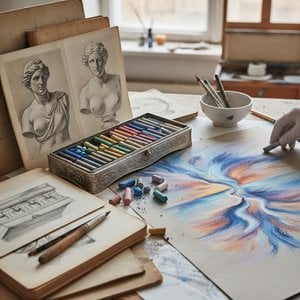
Explore the ethereal beauty of pastel art. Discover how Impressionist masters used soft hues and velvety textures to capture light. A professional guide for art enthusiasts seeking to understand, collect, and appreciate the delicate magic of this timeless medium.


 效果预览
效果预览
 分享
分享 分享
分享
 详情
详情

 下载
下载
 相似作品
相似作品 X射线
X射线 幻灯片播放
幻灯片播放 Stats
Stats 展开详情
展开详情









 玻璃选项仅适用于110厘米以下的尺寸。


