
免费艺术咨询

x
定制手绘复刻品 定制手绘复刻品购买高清图片 购买高清图片 分享分享
详情详情 加入收藏 加入收藏 下载下载 相似作品相似作品 X射线检测X射线检测 幻灯片播放幻灯片播放

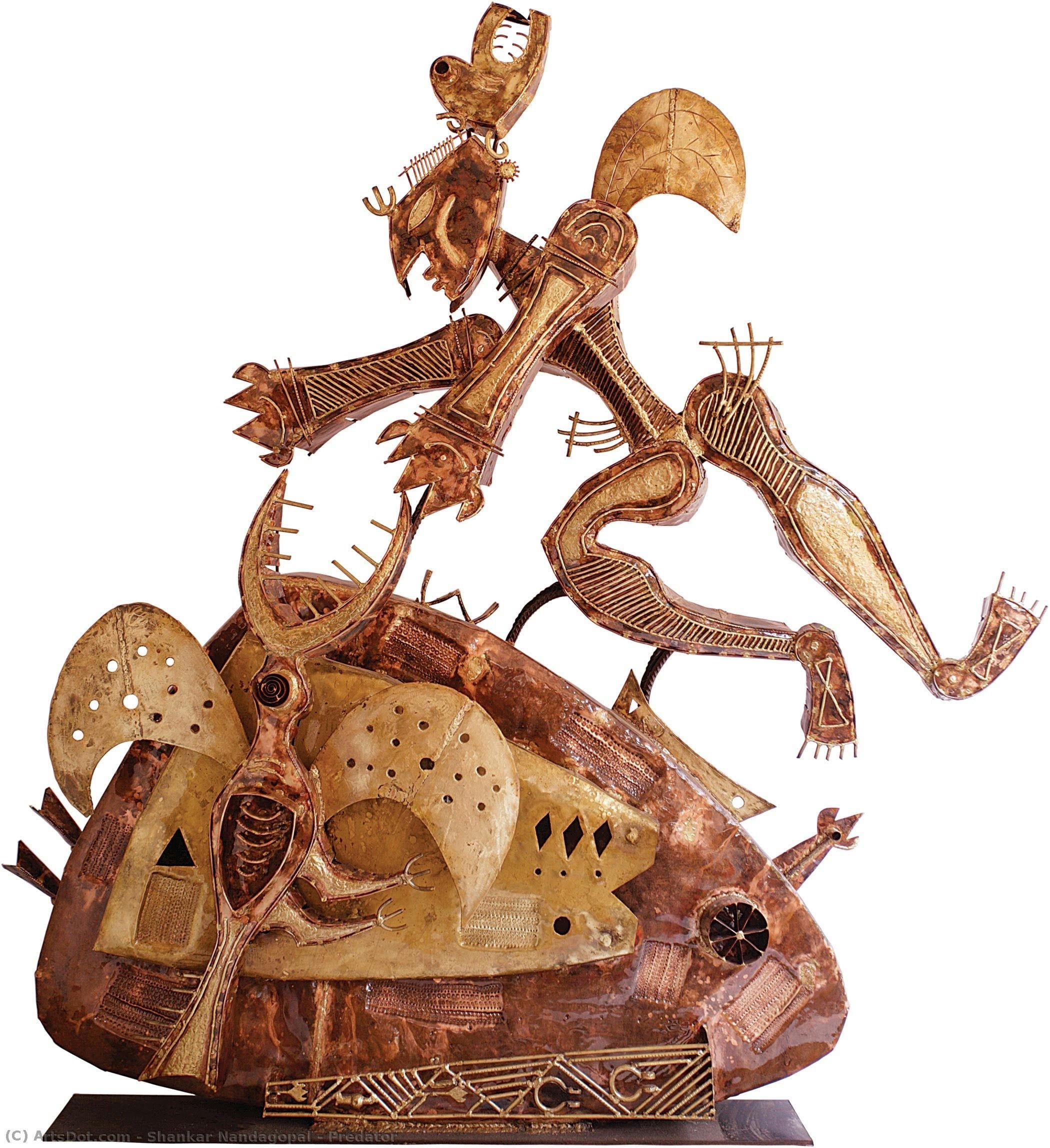
Predator

Shankar Nandagopal (1946-2017) was a leading Indian sculptor & painter of the Madras Art Movement, known for his innovative metal sculptures exploring form and space. Son of K.C.S. Paniker, recipient of Lalit Kala Akademi & Jindal awards.

艺术微喷/版画

博物馆级艺术微喷或帆布版画,制作高效,并提供多种饰面选择。

Standard
custom
CM
INCH

从与原作比例一致的预设尺寸中进行选择。

宽度
高度

您可以输入自定义尺寸,以适配特定的画框或空间。如果您选择的尺寸与原图比例不符,我们将对作品进行裁剪,或通过镜像填充/纯色填充边缘的方式来扩展图像。在开始制作之前,我们会向您发送一份数字效果图供您确认。
请注意,屏幕上的预览并不能反映实际的裁剪或扩展效果。只有效果图才能准确展示最终的构图。
虽然我们提供定制尺寸,但为了保持原图比例,我们建议您从预设列表中选择尺寸。

全球配送(),仅需 2 周即可送达,无需等待标准流程的 4/5 周。(6 July)

why_choose_icon
全球免费特快专递服务
why_choose_icon
优质亚麻画布
why_choose_icon
全程运输保险
why_choose_icon
关税退款保证
why_choose_icon
色彩还原度保证
why_choose_icon
60天退货政策(仅限制造缺陷)
why_choose_icon
100%退款保证
why_choose_icon
多件购买优惠

总计金额

-

reproduction

Predator

艺术微喷/版画

复制品尺寸

-

最终总价

-

藏品详情

Nandagopal belongs to the contemporary sculpture movement in Madras. His works are frontal in nature and linear which marks the characteristics of the Madras Metaphor. The medium is welded copper and brass and depicts Krishna vanquishing Bakasura the legendary evil bird.

相似艺术品


艺术家简介

Shankar Nandagopal: A Pioneer of Metal Sculpture and the Madras Art Movement

Shankar Nandagopal (1946 – 14 April 2017) was an Indian sculptor and painter, recognized as a pivotal figure in the Madras Art Movement—a movement that fundamentally reshaped modern art landscapes in South India. Born in Bengaluru, Karnataka, to K. C. S. Paniker, the visionary founder of Cholamandal Artists’ Village, Nandagopal's artistic lineage instilled within him an unwavering dedication to experimentation and innovation. This formative influence profoundly shaped his career trajectory, culminating in two prestigious Lalit Kala Akademi Awards—a testament to his exceptional talent and contribution to Indian art.

Early Life and Artistic Foundations

Nandagopal’s upbringing amidst the vibrant Cholamandal Artists' Village provided him with an unparalleled environment for artistic development. His father, K. C. S. Paniker, established Cholamandal as a haven for artists seeking refuge from conventional academic pressures, fostering a spirit of collaborative creativity and challenging established artistic norms. This ethos permeated Nandagopal’s own approach to art, encouraging him to push boundaries and explore unconventional materials—particularly metal—as mediums for sculptural expression. The early exposure to Paniker's pioneering vision undoubtedly cemented Nandagopal’s commitment to forging his own distinctive artistic path.

The Madras Art Movement: Influences and Aesthetic Principles

Nandagopal’s artistic sensibilities were inextricably linked to the Madras Art Movement, which emerged in the mid-1950s as a reaction against Western formalism. Spearheaded by Paniker himself, this movement championed modernist ideals—characterized by abstraction, geometric forms, and a deliberate rejection of representational imagery—while simultaneously drawing inspiration from Indian folk traditions and Buddhist iconography. Artists within the Madras Art Movement sought to synthesize Eastern spirituality with Western artistic techniques, resulting in artworks that conveyed profound emotional depth alongside intellectual rigor. Nandagopal’s sculptures embody these core principles, utilizing metal as a canvas for exploring spatial relationships and conveying evocative narratives.

Technique and Artistic Style

Nandagopal's mastery of metal sculpture distinguished him from many contemporaries. He skillfully manipulated steel and other metals—often incorporating intricate textures and surface treatments—to create monumental pieces that commanded attention and invited contemplation. His approach mirrored the broader aesthetic trends of the Madras Art Movement, prioritizing form and space over literal depiction. Like Paniker’s earlier paintings, Nandagopal's sculptures aimed to evoke a sense of grandeur and spiritual resonance, reflecting the movement’s ambition to elevate art beyond mere visual pleasure into a vehicle for conveying philosophical ideas. The resulting artworks are marked by their sculptural presence and textural richness—a legacy of his formative artistic experiences.

Notable Achievements and Legacy

Nandagopal received considerable acclaim throughout his career, notably earning the Jindal Stainless Steel Award for Sculpture in 2002—a recognition that underscored his unwavering dedication to pushing artistic boundaries. His sculptures have been exhibited internationally, securing a prominent place within the canon of contemporary Indian art. More importantly, Nandagopal’s work serves as an enduring symbol of the Madras Art Movement's transformative impact on South Indian visual culture. He remains remembered not merely as a sculptor but as a custodian of Paniker’s artistic vision—a figure who championed innovation and upheld the movement’s commitment to exploring the intersection of tradition and modernity.
  • Lalit Kala Akademi Award (Two Recipients)
  • Jindal Stainless Steel Award for Sculpture
shankar nandagopal

shankar nandagopal

1946 - 2017 , India

艺术家简介

  • Artistic Movement Or Style: Madras Art Movement
  • Artists Or Movements Influenced By This Artist: ['Space Painting']
  • Artists Who Influenced This Artist: ['K.C.S. Paniker']
  • Date Of Birth: 1946
  • Date Of Death: 2017
  • Full Name: Shankar Nandagopal
  • Nationality: Indian
  • Notable Artworks:
    • Predator
    • Landscape
  • Place Of Birth: Bengaluru, India





































