从与原作比例一致的预设尺寸中进行选择。

您可以输入自定义尺寸,以适配特定的画框或空间。如果您选择的尺寸与原图比例不符,我们将对作品进行裁剪,或通过镜像填充/纯色填充边缘的方式来扩展图像。在开始制作之前,我们会向您发送一份数字效果图供您确认。
请注意,屏幕上的预览并不能反映实际的裁剪或扩展效果。只有效果图才能准确展示最终的构图。
虽然我们提供定制尺寸,但为了保持原图比例,我们建议您从预设列表中选择尺寸。

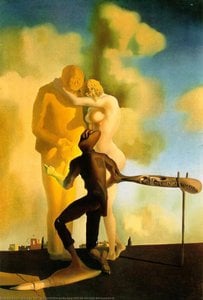
Arabs, 1980
复制品尺寸
Salvador Dalí's “Arabs,” painted in 1980, isn’t merely a depiction of figures; it’s an immersive plunge into the artist’s meticulously constructed dreamscape. Emerging from the tail end of Dalí’s prolific career, this abstract oil painting represents a potent distillation of his lifelong fascination with the subconscious and the exploration of duality – themes deeply rooted in his personal history and artistic philosophy. The work stands as a testament to Dalí's mastery of technique, blending meticulous realism with deliberately unsettling distortions, creating an image that simultaneously captivates and unnerves.
Born in Figueres, Spain, in 1904, Dalí’s life was inextricably linked to the realm of dreams and the exploration of hidden meanings. The early loss of his brother, Salvador, profoundly shaped his artistic vision, manifesting as recurring motifs of replacement and mirrored identities throughout his oeuvre. “Arabs” can be interpreted through this lens – a fragmented reflection of a lost self, a visual echo of a past that continues to haunt the artist’s imagination. The painting's creation coincided with Dalí’s return to Spain after decades in exile, suggesting a grappling with national identity and a re-engagement with his homeland’s complex history.
The composition of “Arabs” is deliberately chaotic yet meticulously controlled. Nine figures – some appearing close, others receding into the distance – are arranged across the canvas in a dynamic interplay of postures and orientations. There’s no clear narrative or discernible relationship between these individuals; they exist within a shared space without connection, contributing to the painting's unsettling atmosphere. Dalí employs a rich, textured application of paint, layering colors with thick impasto—a technique that adds depth and physicality to the image.
“Arabs” is rich in symbolic potential, inviting multiple interpretations. The figures themselves are deliberately ambiguous, resembling both human forms and distorted objects—a hallmark of Dalí's surrealist style. Some art historians suggest they represent a fragmented collective unconscious, while others see them as echoes of historical figures or even self-portraits reflecting the artist’s own anxieties and obsessions. The painting’s resemblance to a theatrical stage further enhances this interpretation, hinting at performance, illusion, and the constructed nature of reality.
Recurring motifs—such as melting forms, distorted perspectives, and ambiguous spatial relationships—are characteristic of Dalí's surrealist vocabulary. The absence of clear focal points forces the viewer to actively engage with the image, constructing their own narrative within its chaotic framework. The title itself is deliberately provocative, suggesting a connection to both the Arab world and the idea of wandering, lost souls.
“Arabs” stands as a powerful example of Dalí's late-career experimentation with abstraction. While rooted in his earlier surrealist explorations, it represents a shift towards a more expressive and emotionally charged style. The Reynolds Morse Foundation in Cleveland houses one of the most comprehensive collections of Dalí’s work, offering visitors an unparalleled opportunity to immerse themselves in the artist’s extraordinary vision. Reproductions of “Arabs” provide a remarkable way to bring this captivating artwork into your own space, allowing you to experience its unsettling beauty and profound symbolism firsthand.

萨尔瓦多·多明戈·费利佩·雅辛托·达利 i 多梅内奇,一个与超现实主义紧密相连的名字,于1904年5月11日诞生在阳光普照的西班牙菲格拉斯小镇。他的生命注定非同寻常,仿佛一场精心策划的表演,通过令人震惊的意象和精湛的技术,将潜意识探索为可见之物。早年的阴影笼罩着他;与他同名的哥哥在他出生九个月前就去世了,这一创伤使他的艺术作品充满了二元性和替代性的主题。 结合他对严厉而务实的父亲的复杂关系以及母亲的溺爱关怀,塑造了一个既张扬又深刻内省的人格。自幼年起,达利就展现出非凡的艺术天赋,通过在马德里圣费尔南多美术学院接受了正规训练加以培养。然而,与现代绘画——特别是文艺复兴大师的作品——的一次关键相遇点燃了他内心对打破传统和开辟自己独特道路的强烈愿望。
1926年前往巴黎的旅程具有变革意义,将达利沉浸在先锋运动的核心。他被戴达主义的反叛精神所吸引,其对逻辑的拒绝和对荒诞的拥抱引起了他自己日益增长的艺术倾向的回响。更重要的是,正是在巴黎,他完全接受了超现实主义,并与安德烈·布雷东、巴勃罗·毕加索(达利深切敬仰)和何塞·米罗等关键人物建立了联系。这次相遇不仅仅是风格的采用;达利彻底革新了这个运动。他发展了他称之为“偏执-批判法”的技术,这是一种旨在释放潜意识中隐藏意象的自我诱导的精神错乱状态。这种技术使他能够用惊人的清晰度和一丝不苟的细节将梦境、焦虑和深深个人化的符号转化为画布。
达利的艺术风格在不断发展,从早期的印象派影响到超现实主义高峰,再到后来的古典主义时期,都展现出一种持续增长和进化的艺术家。记忆的持久(1931)无疑是他最著名的作品之一,它捕捉了对时间流逝的探索、记忆的脆弱以及不可避免的衰败。除了绘画之外,达利的创作范围还包括雕塑、电影——特别是与阿尔弗雷德·希区柯克和沃尔特·迪士尼的合作——版画艺术、珠宝设计甚至舞台布景。他反复使用蚂蚁象征腐烂、鸡蛋代表孕育生命和希望、拐杖暗示支持和脆弱以及融化的物体体现现实的不稳定性等主题,这些符号并非随意选择;它们深深植根于他的焦虑、欲望和记忆之中。朱丽叶的墓,对失去的感人探索,曼尼肯(巴塞罗那曼尼肯),反映了对虚假性和身份的痴迷,以及风景中的苍蝇,对死亡的令人不安的描绘,都展示了他主题关注的广度和深度。他磨练多年的精湛技术使他能够用照片般的逼真度来呈现这些奇幻景象,进一步放大了它们令人不安的力量。
在整个生活中,达利培养了一种与他的艺术一样张扬和古怪的人格。他拥抱自我推销,认识到宣传在吸引公众注意力方面所具有的力量。自1934年起与加拉·埃卢瓦的婚姻对他的艺术产生了重要影响,她不仅是他的精神伴侣,也是他的商业经理和坚定不移的支持者。尽管晚年受到日益增长的商业活动以及对弗朗哥政权的有时备受争议的支持的影响,但他的艺术遗产仍然巨大。他于1989年1月23日去世,留下了一系列作品,这些作品继续挑战、激怒并激励着人们。位于佛罗里达州圣彼得堡的萨尔瓦多·达利博物馆是其持久吸引力的证明,收藏了大量作品,让游客可以沉浸在这个非凡艺术家的世界中。达利超越了艺术的界限,成为一个文化偶像,他的影响可以在时尚、电影、广告和流行文化中看到。他仍然是20世纪最具代表性和最有影响力的一位艺术家——一位敢于探索潜意识的深渊并将它的奥秘为所有人呈现到画布上的真正远见者。
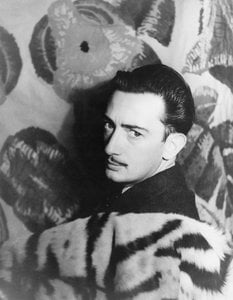
1904 - 1989 , 西班牙

探索萨尔瓦多·达利25幅大师级作品,领略超现实主义的奇幻魅力!深入了解达利的艺术风格、梦境般的色彩与象征意义。WahooArt.com提供博物馆品质的达利画作复制品,为您的家居带来艺术灵感。立即探索完整系列!

探索抽象表现主义的十幅经典杰作!波洛克、罗斯科等大师作品,揭秘艺术史上的重要瞬间。WahooArt.com为您呈现高品质艺术品复制和精选家居装饰方案,感受现代艺术的力量与魅力。立即浏览全系列!
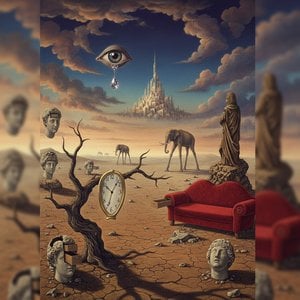
Explore the captivating world of Salvador Dalí! Discover his surrealist masterpieces, profound connection to Freud's theories, and lasting impact on art & culture. A deep dive into a visionary artist.

Master the complexities of Salvador Dalí's work. Explore the Paranoiac-Critical Method, decode iconic Surrealist symbols, and understand the psychological depth behind his technical brilliance in this expert art history guide designed for students and collectors.

探索超现实主义的十幅艺术瑰宝!从达利到马格里特,重温这些定义了梦境与想象力的杰作。深入了解艺术家故事、创作技法,感受色彩与情感的力量。WahooArt.com为您提供博物馆品质画作复制及精选家居装饰方案。尽在WahooArt.com!


 效果预览
效果预览
 购买手绘画作
 分享
分享 分享
分享
 详情
详情

 下载
下载
 相似作品
相似作品 X射线
X射线 幻灯片播放
幻灯片播放

 展开详情
展开详情









 玻璃选项仅适用于110厘米以下的尺寸。