
博物馆级艺术微喷或帆布版画,制作高效,并提供多种饰面选择。 ( 购买手绘画作 切换至数字图像销售渠道)





























从与原作比例一致的预设尺寸中进行选择。

您可以输入自定义尺寸,以适配特定的画框或空间。如果您选择的尺寸与原图比例不符,我们将对作品进行裁剪,或通过镜像填充/纯色填充边缘的方式来扩展图像。在开始制作之前,我们会向您发送一份数字效果图供您确认。
请注意,屏幕上的预览并不能反映实际的裁剪或扩展效果。只有效果图才能准确展示最终的构图。
虽然我们提供定制尺寸,但为了保持原图比例,我们建议您从预设列表中选择尺寸。

Pine and Wisteria
复制品尺寸
Sakai Hōitsu's "Pine and Wisteria" is more than just a painting; it’s a distillation of Edo-period aesthetics, a testament to the revival of Ogata Kōrin’s style, and an invitation into a world of serene beauty. Completed between 1810 and 1819, this pair of folding screens – known as byōbu – captures a fleeting moment in nature, imbued with both profound symbolism and exquisite technical skill. The scene unfolds within a meticulously rendered landscape dominated by two majestic pine trees, their branches reaching skyward like ancient guardians. Delicate wisteria vines cascade downwards, adding a touch of ethereal grace to the composition. It’s a visual poem, carefully crafted to evoke feelings of tranquility, harmony, and the cyclical rhythms of nature.
Hōitsu's genius lies in his ability to seamlessly blend influences. Initially trained within the formal confines of the Kanō school – renowned for its precise realism and adherence to tradition – he ultimately embraced the more fluid and decorative style championed by Ogata Kōrin, a master known for his vibrant colors, dynamic brushwork, and masterful use of perspective. This deliberate shift marked a pivotal moment in Japanese painting, establishing Hōitsu as a key figure in the Rinpa school, which prioritized beauty and artistic expression over strict adherence to academic rules. The work is not simply a representation of pine trees and wisteria; it’s an interpretation, filtered through Hōitsu's unique sensibility and his deep understanding of Kōrin’s legacy.
Beyond its aesthetic appeal, “Pine and Wisteria” is rich in symbolic meaning. The pine tree itself holds a profound significance in Japanese culture, representing longevity, resilience, and steadfastness – qualities deeply admired in both nature and human character. Its enduring presence symbolizes strength and permanence, anchoring the composition with an aura of stability. Conversely, the wisteria vine embodies femininity, grace, and beauty, its cascading blooms suggesting fertility and renewal. The pairing of these two elements creates a powerful metaphor for the harmonious union of masculine and feminine energies, mirroring the balance sought in traditional Japanese aesthetics.
The inclusion of gold leaf is particularly noteworthy. It elevates the painting to a realm of luxury and spiritual significance, adding an element of luminosity and suggesting a connection to the divine. The subtle gradations of color – from the deep greens of the pines to the pale blues and purples of the wisteria – are achieved through meticulous layering of ink washes, demonstrating Hōitsu’s mastery of brushwork and his ability to create a sense of depth and atmosphere. The use of bird's-eye perspective, a hallmark of Rinpa painting, further enhances the illusion of space and draws the viewer into the scene.
Created during the late Edo period (1603–1868), “Pine and Wisteria” offers a captivating glimpse into the artistic and cultural landscape of 19th-century Japan. This era witnessed a flourishing of art, driven by patronage from wealthy merchants and samurai families. The Rinpa school, in particular, played a crucial role in revitalizing traditional Japanese painting styles, challenging established conventions and embracing new approaches to composition, color, and technique. Hōitsu’s work exemplifies this spirit of innovation, demonstrating his ability to both honor the past and forge a distinctive artistic identity.
The meticulous detail evident in every brushstroke speaks volumes about the dedication and skill required to produce such a masterpiece. The painting was created on paper with gold leaf, a testament to the high standards of craftsmanship prevalent during this period. It’s believed that Hōitsu meticulously recreated elements from Kōrin's original works, demonstrating his deep respect for his predecessor while simultaneously establishing his own unique style. This careful reproduction and subsequent revival cemented Hōitsu’s place as one of the most important artists of the Rinpa school.
Today, “Pine and Wisteria” continues to captivate audiences with its timeless beauty and profound symbolism. High-quality reproductions offer a remarkable opportunity to bring this exquisite artwork into your home or office, adding a touch of serenity and sophistication to any space. WahooArt offers meticulously crafted giclee prints that faithfully capture the essence of Hōitsu’s original masterpiece, allowing you to appreciate its beauty for generations to come. Consider it not just a decoration, but a window into the rich artistic heritage of Japan.


1761 - 1829 , 日本

Explore the profound beauty of Japanese Ukiyo-e art. Discover the legacy of Hokusai and the Utagawa school through an expert exploration of Edo-period aesthetics, seasonal motifs, and the enduring global influence of Japan's 'Floating World' on fine art history.

Explore the profound beauty of Japanese landscape painting. From Hokusai's iconic vistas to Zen-inspired compositions, discover the spiritual depth and historical mastery of Ukiyo-e art in this expert cultural retrospective.
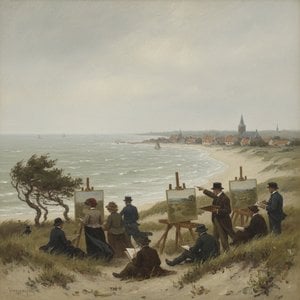
Explore the ethereal beauty of the Hague School art movement. Discover how masters like Jan Weissenbruch captured the atmospheric grey light of the Dutch landscape through unparalleled technique and emotive, misty compositions.

Explore the ephemeral beauty of Japanese Ukiyo-e art. From the dynamic warriors of Kuniyoshi to serene landscapes, discover the profound history, masterful techniques, and global influence of these iconic woodblock prints in our deep cultural retrospective.


 效果预览
效果预览
 分享
分享 分享
分享
 详情
详情

 下载
下载
 相似作品
相似作品 X射线
X射线 幻灯片播放
幻灯片播放 统计数据
统计数据

 展开详情
展开详情









 玻璃选项仅适用于110厘米以下的尺寸。


