
博物馆级艺术微喷或帆布版画,制作高效,并提供多种饰面选择。 ( 购买手绘画作 切换至数字图像销售渠道)





























从与原作比例一致的预设尺寸中进行选择。

您可以输入自定义尺寸,以适配特定的画框或空间。如果您选择的尺寸与原图比例不符,我们将对作品进行裁剪,或通过镜像填充/纯色填充边缘的方式来扩展图像。在开始制作之前,我们会向您发送一份数字效果图供您确认。
请注意,屏幕上的预览并不能反映实际的裁剪或扩展效果。只有效果图才能准确展示最终的构图。
虽然我们提供定制尺寸,但为了保持原图比例,我们建议您从预设列表中选择尺寸。

Triptych of St. Eloi
复制品尺寸
Rogier van der Weyden's Triptych of St. Eloi, painted circa 1460-1463, stands as a monumental achievement in the Northern Renaissance tradition. This triptych, depicting the revered saint, isn’t merely a religious depiction; it’s a profound exploration of human emotion and social interaction within a meticulously constructed devotional space. Van der Weyden, a master of his craft, elevates the commonplace scene to an intensely poignant moment, capturing a sense of quiet reverence and understated drama that continues to resonate with viewers centuries later.
Van der Weyden’s skill is immediately apparent in the astonishing realism he achieves. Executed in oil on oak panel, the painting demonstrates his mastery of *sfumato*, a technique pioneered during this period that employs subtle gradations of tone to create an almost hazy effect, softening edges and lending a remarkable sense of depth and volume to the figures. The artist’s meticulous attention to detail is evident in every fold of fabric, every expression on a face, and every carefully rendered object – from the simple wooden chair positioned at the right edge to the delicate cup resting near the center. Van der Weyden's use of gold leaf, particularly in the halos and certain draperies, adds an ethereal quality, elevating the scene to a realm of divine significance. The layering of glazes achieved through painstaking application of oil paint is a testament to his dedication and control.
The triptych’s narrative unfolds with a deliberate complexity, rich in symbolic meaning rooted in medieval piety. St. Eloi, a patron saint of goldsmiths and metalworkers, is presented here not as a warrior or martyr, but as a figure of quiet contemplation and interaction. The gathering around him suggests his role as a mediator between the earthly and divine realms. Note the gestures of the figures – their bowed heads, attentive expressions, and the way they lean towards Jesus. These postures convey respect, humility, and a desire for spiritual guidance. The inclusion of everyday objects—the chair, the cup—further emphasizes the saint’s connection to the lives of ordinary people, reinforcing the idea that divine grace is accessible to all.
Painted during a period of significant religious and social change in Europe, Van der Weyden's work reflects the growing importance of personal piety alongside established church doctrine. The triptych speaks to a desire for direct engagement with faith – a yearning to experience God’s presence not just through ritual but also through individual contemplation. The emotional power of the Triptych of St. Eloi lies in its ability to evoke empathy and understanding. Van der Weyden's masterful portrayal of human emotion, combined with the triptych’s carefully constructed symbolism, creates a deeply moving experience that continues to captivate viewers today. It is a testament to the artist's profound understanding of the human condition and his ability to translate it into enduring works of art.


1400 - 1464 , 比利时

Explore the revolutionary art of Hugo van der Goes – a master of Early Netherlandish painting renowned for his dramatic realism, psychological depth & profound influence on Renaissance artists. Discover his iconic works and lasting legacy.

Explore the revolutionary art of Rogier van der Weyden, a pivotal figure of the Early Netherlandish Renaissance. Discover his emotional realism, innovative compositions, and lasting impact on painting history.
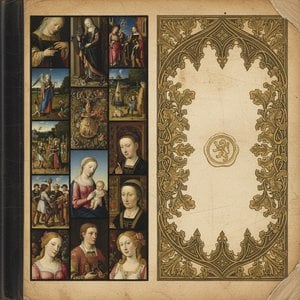
Journey into the world of Early Netherlandish painting! Explore 10 masterpieces by Jan van Eyck, Rogier van der Weyden & more. Discover stunning detail, symbolism & Renaissance art for your home decor. Find museum-quality reproductions on WahooArt.com
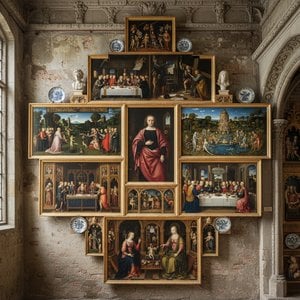
Journey into the Early Netherlandish Renaissance! Explore 10 iconic paintings by Jan van Eyck, Rogier van der Weyden & more. Discover stunning detail, symbolism, and oil painting techniques. Find museum-quality art reproductions for your home at WahooArt.com.

探索伦勃朗25幅杰作,领略荷兰黄金时代光影大师的艺术传奇!从《夜巡》到自画像,深入了解巴洛克艺术、历史绘画与人物肖像背后的故事。WahooArt.com提供高清艺术复制品及家居装饰灵感。立即探索完整系列!


 效果预览
效果预览
 分享
分享 分享
分享
 详情
详情

 下载
下载
 相似作品
相似作品 X射线
X射线 幻灯片播放
幻灯片播放 统计数据
统计数据

 展开详情
展开详情









 玻璃选项仅适用于110厘米以下的尺寸。


