
博物馆级艺术微喷或帆布版画,制作高效,并提供多种饰面选择。 ( 订购纯手工绘制画作 切换至数字图像销售渠道)





























您可以从与原作比例一致的预设尺寸中进行选择。

请输入您所需的宽度和高度,以适配您的画框或墙面。由于印刷品只能进行裁剪,无法超出原图尺寸,因此若比例不一致,画面的一部分将会被裁切。在正式印刷之前,我们会为您发送一份数字效果图供您确认。本页面显示的图片并非最终裁剪后的效果——只有效果图才能展示真实的裁剪情况。
The Last Judgment
复刻品尺寸
Rogier van der Weyden's "The Last Judgment," painted around 1430-1435, isn’t merely a depiction of biblical narrative; it’s a visceral exploration of human mortality and the agonizing weight of divine judgment. This monumental work, likely intended for a private chapel or a significant civic commission, transcends simple religious illustration to become a profoundly moving meditation on sin, redemption, and the inescapable consequences of earthly actions. Van der Weyden, already recognized as a master of psychological realism in his portraits, here unleashes an intensity rarely seen in Northern European painting of the period, employing techniques that anticipate the dramatic fervor of the Renaissance.
The scene unfolds within a richly detailed architectural setting – a vast, echoing space dominated by a towering crucifix. Figures are arranged in layers, creating a powerful sense of depth and drawing the viewer’s eye into the heart of the drama. Van der Weyden's meticulous attention to detail is immediately apparent: the textures of clothing, the folds of drapery, the subtle variations in skin tone – all rendered with an almost obsessive precision that lends each figure a startlingly lifelike quality. He doesn’t shy away from depicting the grotesque and uncomfortable; the faces of the damned are contorted in agony, their bodies twisted in despair, while those ascending to heaven exhibit expressions ranging from serene acceptance to ecstatic joy. The inclusion of a small dog on the left side adds an unexpected element of pathos – perhaps symbolizing loyalty or even judgment itself.
What distinguishes “The Last Judgment” is not simply its dramatic subject matter, but Van der Weyden's masterful manipulation of color and light. He employs a sophisticated palette – deep reds, blues, and golds contrasted with stark whites – to heighten the emotional impact of the scene. The use of *chiaroscuro*—the dramatic interplay of light and shadow—is particularly effective in sculpting the figures and emphasizing their expressions of torment or hope. Van der Weyden was a pioneer in using oil paints, allowing him to achieve subtle gradations of color and create a luminous quality that was previously unattainable with tempera. This technique allowed for a level of detail and realism that set him apart from his contemporaries.
Furthermore, Van der Weyden’s approach to depicting human emotion is revolutionary. He moves beyond the stylized gestures and idealized expressions common in earlier religious art, capturing moments of raw, unfiltered anguish and profound spiritual yearning. The faces of the damned are not simply frightening; they are heartbreakingly vulnerable, conveying a sense of utter despair. The figures ascending to heaven, while radiating joy, also exhibit a quiet dignity and acceptance that speaks volumes about their faith.
“The Last Judgment” is rich in symbolic meaning. The central crucifix represents Christ’s sacrifice and the gateway to salvation. The arrangement of figures – the damned descending into darkness, the saved ascending towards light – reflects traditional theological interpretations of the afterlife. Van der Weyden's work was created during a period of intense religious fervor and political upheaval in Burgundy, where the powerful Dukes were actively promoting piety and artistic patronage. This commission likely served as a potent reminder of moral responsibility and the consequences of sin within the ruling elite.
Interestingly, this painting is part of a larger polyptych, suggesting it was intended for a private chapel setting. The reverse side of the panel offers further insight into Van der Weyden’s artistic process and his engagement with contemporary trends. The influence of Italian Renaissance art, particularly in its use of perspective and dramatic composition, can be detected in “The Last Judgment,” signaling a shift towards greater realism and emotional intensity within Northern European painting.
“The Last Judgment” remains a profoundly moving work of art. It’s not just a depiction of biblical events; it's an exploration of the human condition—our capacity for both great good and terrible evil, our struggle with mortality, and our yearning for redemption. Van der Weyden’s masterful technique, combined with his profound understanding of human psychology, creates a work that continues to resonate with viewers centuries after its creation. A high-quality reproduction allows us to experience the painting's emotional power and artistic brilliance in our own homes, serving as a constant reminder of the choices we make and their ultimate consequences.
罗杰·范德·魏登 的作品《The Last Judgment》已进入 属于公有领域 —— 其版权已过期。版权期限自艺术家逝世之日起计算,罗杰·范德·魏登 于 1464 年逝世。
对于“The Last Judgment”,建议的打印设置尺寸为 Large,方向为 Panoramic。
就视觉亮度而言,罗杰·范德·魏登 的《The Last Judgment》 呈现出 shadow 的效果。

1400 - 1464 , 比利时

Explore the revolutionary art of Rogier van der Weyden, a pivotal figure of the Early Netherlandish Renaissance. Discover his emotional realism, innovative compositions, and lasting impact on painting history.

Explore the revolutionary art of Hugo van der Goes – a master of Early Netherlandish painting renowned for his dramatic realism, psychological depth & profound influence on Renaissance artists. Discover his iconic works and lasting legacy.

探索伦勃朗25幅杰作,领略荷兰黄金时代光影大师的艺术传奇!从《夜巡》到自画像,深入了解巴洛克艺术、历史绘画与人物肖像背后的故事。WahooArt.com提供高清艺术复制品及家居装饰灵感。立即探索完整系列!
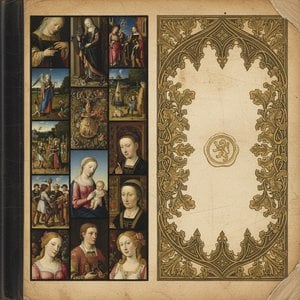
Journey into the world of Early Netherlandish painting! Explore 10 masterpieces by Jan van Eyck, Rogier van der Weyden & more. Discover stunning detail, symbolism & Renaissance art for your home decor. Find museum-quality reproductions on WahooArt.com
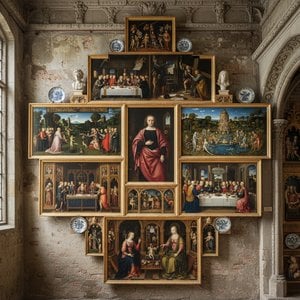
Journey into the Early Netherlandish Renaissance! Explore 10 iconic paintings by Jan van Eyck, Rogier van der Weyden & more. Discover stunning detail, symbolism, and oil painting techniques. Find museum-quality art reproductions for your home at WahooArt.com.

 实景预览
实景预览
 分享
分享 分享
分享
 详情
详情 指南
指南

 下载作品
下载作品
 相似作品
相似作品 X射线
X射线 幻灯片播放
幻灯片播放 问答
问答
 统计数据
统计数据
 展开全文
展开全文









 玻璃选项仅适用于110厘米以下的尺寸。


