
由我们的艺术家按需定制,为您提供您所选尺寸及画框的布面手工油画。 ( 切换至版画销售渠道 切换至数字图像销售渠道)





























从与原作比例一致的预设尺寸中进行选择。

您可以输入自定义尺寸,以适配特定的画框或空间。如果所选尺寸与原图比例不符,我们将通过裁剪作品或添加手绘元素来扩展画面。数字样稿将在制作开始前发送给您确认。
请注意,屏幕预览无法准确反映实际的裁剪或扩展效果,只有样稿才能真实呈现最终的构图。
虽然我们提供定制尺寸服务,但为了保留原作比例,建议您从预设列表中选择尺寸。

The Annunciation
复制品尺寸
Rogier van der Weyden’s “The Annunciation,” painted circa 1440, stands as a cornerstone of Early Netherlandish art—a testament to meticulous observation and profound spiritual contemplation. More than just a depiction of biblical narrative, it embodies the artistic ideals of its time, reflecting a burgeoning humanist interest in realism alongside unwavering devotion to Christian faith.
Van der Weyden’s style distinguishes itself from preceding Gothic traditions through an unprecedented level of naturalism. Unlike earlier depictions where figures were stylized and idealized, he painstakingly renders textures—the folds of Mary’s robe, the delicate petals of lilies—with astonishing accuracy. Yet, this realism isn't devoid of Byzantine influence; the serene composure of Mary and the angels echoes the spiritual grandeur characteristic of Eastern iconography. This harmonious blend demonstrates Van der Weyden’s mastery in capturing both physical form and inner emotion.
The painting utilizes oil paint, a relatively new medium at the time, which allowed for unparalleled luminosity and depth of color compared to tempera. This technique—developed primarily in Florence—enabled Van der Weyden to achieve subtle gradations of tone and create an illusionistic space that draws viewers into the scene. The artist’s meticulous layering of pigments contributes significantly to the painting's ethereal quality, capturing the soft glow emanating from Mary’s face and highlighting the radiant light illuminating the angelic figures.
Painted during the early Renaissance in Flanders—a region experiencing a revival of classical ideals— “The Annunciation” reflects the broader intellectual currents shaping Europe. Artists like Van der Weyden were increasingly concerned with portraying human emotion and capturing the beauty of the natural world, albeit filtered through Christian symbolism. The painting’s setting within a domestic interior – a room furnished with a chair and adorned with books – underscores this humanist preoccupation with everyday life and contemplation.
The lilies adorning Mary's robe are potent symbols of purity and virginity—a central motif in Marian iconography. The radiant light emanating from the angels signifies divine grace and illuminates the sacred event unfolding before them. These elements coalesce to convey a profound message about faith, humility, and God’s intervention in human affairs. “The Annunciation” invites contemplation on themes of spiritual transformation and the transformative power of divine revelation—a legacy that continues to inspire artists and viewers alike.


1400 - 1464 , 比利时

探索伦勃朗25幅杰作,领略荷兰黄金时代光影大师的艺术传奇!从《夜巡》到自画像,深入了解巴洛克艺术、历史绘画与人物肖像背后的故事。WahooArt.com提供高清艺术复制品及家居装饰灵感。立即探索完整系列!
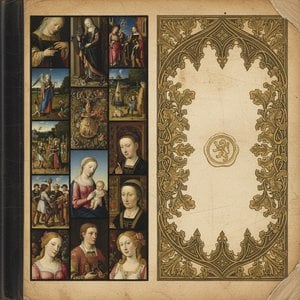
Journey into the world of Early Netherlandish painting! Explore 10 masterpieces by Jan van Eyck, Rogier van der Weyden & more. Discover stunning detail, symbolism & Renaissance art for your home decor. Find museum-quality reproductions on WahooArt.com

Explore the revolutionary art of Hugo van der Goes – a master of Early Netherlandish painting renowned for his dramatic realism, psychological depth & profound influence on Renaissance artists. Discover his iconic works and lasting legacy.

Explore the revolutionary art of Rogier van der Weyden, a pivotal figure of the Early Netherlandish Renaissance. Discover his emotional realism, innovative compositions, and lasting impact on painting history.
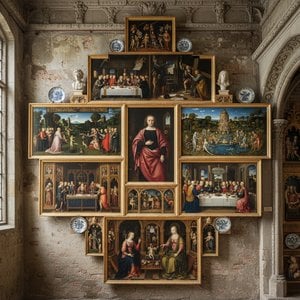
Journey into the Early Netherlandish Renaissance! Explore 10 iconic paintings by Jan van Eyck, Rogier van der Weyden & more. Discover stunning detail, symbolism, and oil painting techniques. Find museum-quality art reproductions for your home at WahooArt.com.


 效果预览
效果预览
 分享
分享 分享
分享
 详情
详情

 下载
下载
 相似作品
相似作品 X射线
X射线 幻灯片播放
幻灯片播放 统计数据
统计数据

 展开详情
展开详情









 玻璃选项仅适用于110厘米以下的尺寸。


