
x































从与原作比例一致的预设尺寸中进行选择。

您可以输入自定义尺寸,以适配特定的画框或空间。如果您选择的尺寸与原图比例不符,我们将对作品进行裁剪,或通过镜像填充/纯色填充边缘的方式来扩展图像。在开始制作之前,我们会向您发送一份数字效果图供您确认。
请注意,屏幕上的预览并不能反映实际的裁剪或扩展效果。只有效果图才能准确展示最终的构图。
虽然我们提供定制尺寸,但为了保持原图比例,我们建议您从预设列表中选择尺寸。

St Columba Altarpiece (detail)
复制品尺寸
The fragment presented here – a meticulously rendered detail from Rogier van der Weyden's famed St. Columba Altarpiece – offers a profound glimpse into the artist’s extraordinary command of human emotion and his revolutionary approach to depicting religious narrative. Painted in 1455, this section captures a pivotal interaction within the larger composition, a tableau brimming with symbolic weight and technical brilliance. Van der Weyden, born in Tournai around 1400, wasn't simply a painter; he was a craftsman of feeling, inheriting a meticulousness from his early apprenticeship as a goldsmith – a discipline that undoubtedly informed his ability to render the subtle nuances of fabric, skin, and light with unparalleled realism. This detail exemplifies his mastery: observe how the folds of the goat’s fur seem to ripple with life, or the way the light catches on the man's garments, suggesting both texture and volume.
At first glance, the scene appears deceptively simple. St. Columba, a figure of immense spiritual authority in Irish and Scottish Christian tradition, stands poised beside a young man, his hand gently resting upon the flank of a goat. A cow grazes nearby, seemingly oblivious to the unfolding drama. Yet, within this quiet tableau lies a complex narrative rooted in legend. The story recounts how Columba calmed a raging storm on the River Ness in Scotland by performing a miracle – transforming the water into wine. This detail likely represents that very event, with the goat and cow symbolizing the natural world yielding to divine intervention. The young man, often interpreted as representing the people of Scotland, is receiving the blessing of the saint, a visual embodiment of conversion and faith.
What truly distinguishes this work – and Van der Weyden's broader oeuvre – is his groundbreaking use of oil paint. While not yet fully established as the dominant medium, he was pioneering its application to achieve a level of luminosity and detail previously unattainable with tempera or fresco. Note the subtle gradations of color, particularly in the rendering of skin tones and fabrics. Van der Weyden employed *sfumato*, a technique borrowed from Renaissance sculpture, to create soft transitions between light and shadow, lending an almost ethereal quality to the figures. The meticulous layering of paint, visible upon close inspection, speaks volumes about his dedication to realism – he wasn’t merely painting what he saw; he was striving to recreate it with breathtaking accuracy. The use of a limited palette, dominated by earthy tones punctuated by vibrant reds and blues, contributes to the overall sense of solemnity and reverence.
Beyond their literal interpretations, these elements coalesce to create a powerful meditation on faith, conversion, and the transformative power of spiritual grace. Rogier van der Weyden’s St. Columba Altarpiece Detail is more than just a depiction of a biblical scene; it's a profound exploration of human emotion and belief, rendered with an unparalleled level of technical skill and artistic vision. WahooArt offers exquisite hand-painted reproductions that faithfully capture the beauty and depth of this iconic masterpiece, allowing you to bring its timeless message into your home or office.


1400 - 1464 , 比利时
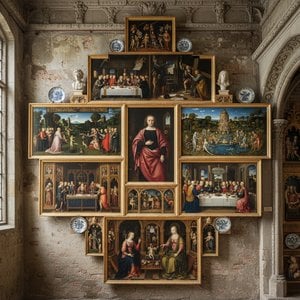
Journey into the Early Netherlandish Renaissance! Explore 10 iconic paintings by Jan van Eyck, Rogier van der Weyden & more. Discover stunning detail, symbolism, and oil painting techniques. Find museum-quality art reproductions for your home at WahooArt.com.

Explore the revolutionary art of Rogier van der Weyden, a pivotal figure of the Early Netherlandish Renaissance. Discover his emotional realism, innovative compositions, and lasting impact on painting history.
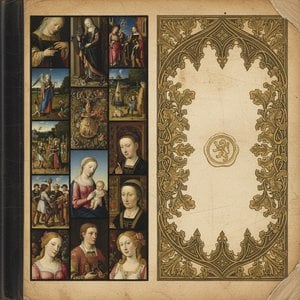
Journey into the world of Early Netherlandish painting! Explore 10 masterpieces by Jan van Eyck, Rogier van der Weyden & more. Discover stunning detail, symbolism & Renaissance art for your home decor. Find museum-quality reproductions on WahooArt.com

Explore the revolutionary art of Hugo van der Goes – a master of Early Netherlandish painting renowned for his dramatic realism, psychological depth & profound influence on Renaissance artists. Discover his iconic works and lasting legacy.

探索伦勃朗25幅杰作,领略荷兰黄金时代光影大师的艺术传奇!从《夜巡》到自画像,深入了解巴洛克艺术、历史绘画与人物肖像背后的故事。WahooArt.com提供高清艺术复制品及家居装饰灵感。立即探索完整系列!


第一时间获取最新的艺术新闻、独家优惠及装饰灵感。
向我们介绍您的项目需求,我们的艺术专家将为您提供 3 个个性化的艺术品推荐。
由我们的专家为您精选 3 款心仪之作 —— 完全免费!


 效果预览
效果预览
 购买手绘画作
 分享
分享 分享
分享
 详情
详情

 下载
下载
 相似作品
相似作品 X射线
X射线 幻灯片播放
幻灯片播放


 展开详情
展开详情









 玻璃选项仅适用于110厘米以下的尺寸。


