
博物馆级艺术微喷或帆布版画,制作高效,并提供多种饰面选择。 ( 购买手绘画作 Switch to Digital Image)





























从与原作比例一致的预设尺寸中进行选择。

您可以输入自定义尺寸,以适配特定的画框或空间。如果您选择的尺寸与原图比例不符,我们将对作品进行裁剪,或通过镜像填充/纯色填充边缘的方式来扩展图像。在开始制作之前,我们会向您发送一份数字效果图供您确认。
请注意,屏幕上的预览并不能反映实际的裁剪或扩展效果。只有效果图才能准确展示最终的构图。
虽然我们提供定制尺寸,但为了保持原图比例,我们建议您从预设列表中选择尺寸。

St Columba Altarpiece (central panel)
复制品尺寸
The St Columba Altarpiece, created in 1455 by the Flemish master Rogier van der Weyden, stands as a cornerstone of Early Netherlandish painting and embodies the artistic ideals of its time. Housed at the Alte Pinakothek in Munich, Germany, this monumental panel offers an unparalleled glimpse into the devotional fervor and sophisticated visual language that characterized the Burgundian Renaissance.
Composition and Style: Van der Weyden’s genius lies in his masterful orchestration of form and color. The central panel depicts a serene tableau featuring Mary holding the infant Jesus, surrounded by twelve figures representing saints—primarily St Columba himself—and attendants. Unlike many contemporary altarpieces that prioritized grandeur and ostentation, van der Weyden opted for a restrained elegance, prioritizing clarity of line and luminous pigment to convey profound spiritual emotion.
Technique: Executed in oil on oak wood, the painting demonstrates Van der Weyden’s meticulous attention to detail. He employed glazing techniques—layers of translucent paint—to achieve remarkable depth and luminosity, capturing the subtle nuances of light and shadow with breathtaking accuracy. The artist's masterful rendering of drapery is particularly noteworthy; folds cascade gracefully across the figures, creating a sense of movement and conveying an impression of sumptuousness.
Historical Context: Commissioned for St Columba’s Church in Cologne during Philip the Good’s reign, the altarpiece reflects the prevailing religious piety of the era. It aligns with broader artistic trends—particularly the influence of Hans Memling's Annunciation—that championed naturalism and psychological realism. The depiction of St Columba underscores the importance of Celtic Christianity within the Holy Roman Empire.
Symbolism: The altarpiece is replete with symbolic imagery. The Virgin Mary’s posture exudes serenity and compassion, embodying maternal tenderness. Jesus Christ—represented as a radiant infant—symbolizes divine grace and redemption. The saints surrounding Mary represent various facets of Christian faith and virtue. Furthermore, the architectural setting—a stylized courtyard reminiscent of Romanesque churches—evokes a sense of timelessness and spiritual grandeur.
Legacy: Rogier van der Weyden’s St Columba Altarpiece profoundly impacted subsequent generations of artists. His innovative approach to composition and his unwavering commitment to naturalistic representation established him as a pivotal figure in the development of Northern Renaissance art. Stefan Lochner, influenced by Van der Weyden's stylistic innovations—particularly his elongated figures and vibrant colors—became one of the most celebrated painters of his time.
Relevance to Modern Art Appreciation: The St Columba Altarpiece continues to inspire artists today with its masterful execution and emotive power. Its meticulous detail, luminous color palette, and psychologically astute portrayal of human emotion resonate across centuries, reminding us of the enduring beauty and spiritual significance of art.
Further Exploration: For those interested in delving deeper into Rogier van der Weyden’s oeuvre, St Columba Altarpiece (central panel) and St Columba Altarpiece (detail) are available for viewing on WahooArt.
Key Points:


1400 - 1464 , 比利时

探索伦勃朗25幅杰作,领略荷兰黄金时代光影大师的艺术传奇!从《夜巡》到自画像,深入了解巴洛克艺术、历史绘画与人物肖像背后的故事。WahooArt.com提供高清艺术复制品及家居装饰灵感。立即探索完整系列!
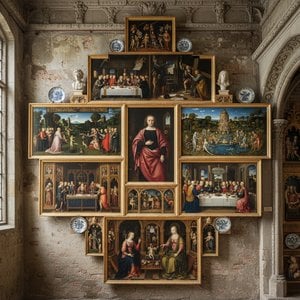
Journey into the Early Netherlandish Renaissance! Explore 10 iconic paintings by Jan van Eyck, Rogier van der Weyden & more. Discover stunning detail, symbolism, and oil painting techniques. Find museum-quality art reproductions for your home at WahooArt.com.

Explore the revolutionary art of Rogier van der Weyden, a pivotal figure of the Early Netherlandish Renaissance. Discover his emotional realism, innovative compositions, and lasting impact on painting history.
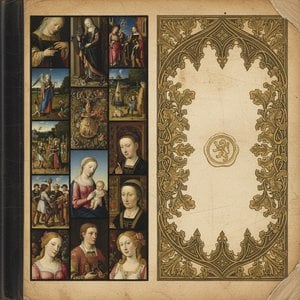
Journey into the world of Early Netherlandish painting! Explore 10 masterpieces by Jan van Eyck, Rogier van der Weyden & more. Discover stunning detail, symbolism & Renaissance art for your home decor. Find museum-quality reproductions on WahooArt.com

Explore the revolutionary art of Hugo van der Goes – a master of Early Netherlandish painting renowned for his dramatic realism, psychological depth & profound influence on Renaissance artists. Discover his iconic works and lasting legacy.


 效果预览
效果预览
 分享
分享 分享
分享
 详情
详情

 下载
下载
 相似作品
相似作品 X射线
X射线 幻灯片播放
幻灯片播放 Stats
Stats


 展开详情
展开详情









 玻璃选项仅适用于110厘米以下的尺寸。


