
由我们的艺术家按需定制,为您提供您所选尺寸及画框的布面手工油画。 ( Switch to Print Switch to Digital Image)





























从与原作比例一致的预设尺寸中进行选择。

您可以输入自定义尺寸,以适配特定的画框或空间。如果所选尺寸与原图比例不符,我们将通过裁剪作品或添加手绘元素来扩展画面。数字样稿将在制作开始前发送给您确认。
请注意,屏幕预览无法准确反映实际的裁剪或扩展效果,只有样稿才能真实呈现最终的构图。
虽然我们提供定制尺寸服务,但为了保留原作比例,建议您从预设列表中选择尺寸。

Pierre Bladelin Triptych
复制品尺寸
The *Pierre Bladelin Triptych*, created around 1450 by Rogier van der Weyden, stands as a testament to the profound artistic achievements of the Early Netherlandish Renaissance. More than just a depiction of biblical scenes—the Annunciation, Nativity and Visitation—it’s an immersive experience crafted with meticulous detail and imbued with an emotional resonance that continues to captivate viewers centuries later.
Artist & Context: Rogier van der Weyden (c. 1400-1464), a sculptor initially trained in Tournai, Belgium, ascended to prominence as one of the foremost painters of his era. His workshop flourished during a period marked by burgeoning humanist thought and artistic innovation—a time when artists sought to capture not merely appearances but also inner psychological states.
The triptych’s tripartite structure is deliberately designed to guide the viewer's gaze through a narrative progression. Each panel presents distinct scenes—the Annunciation, depicting Mary receiving the divine messenger Gabriel; the Nativity, portraying Jesus’ birth in Bethlehem; and the Visitation, illustrating Mary and Elizabeth meeting. These figures are rendered with astonishing accuracy, capturing their expressions of awe, compassion, and humility.
Symbolism: The inclusion of a dog beneath Mary and Joseph symbolizes fidelity and loyalty—a cornerstone of Christian virtue. The illuminated building in the second panel represents Jerusalem, symbolizing divine grace and spiritual aspiration. Light plays a crucial role throughout the triptych, emanating from Christ’s radiant halo and illuminating the faces of the figures, signifying God's presence and enlightenment.
What distinguishes this artwork is its ability to evoke profound emotion—a hallmark of van der Weyden’s artistic vision. The artist skillfully captures the psychological complexity of his subjects, conveying their inner turmoil and spiritual devotion with breathtaking subtlety. This emotive realism anticipates developments in Renaissance art that would prioritize human experience.
The *Pierre Bladelin Triptych* remains an enduring masterpiece—a symbol of Flemish artistic excellence and a powerful reminder of the transformative power of faith and beauty. Its meticulous detail, luminous colors, and expressive figures continue to inspire artists and collectors alike, securing its place as one of the most celebrated works of the Early Netherlandish Renaissance.


1400 - 1464 , 比利时

Explore the revolutionary art of Hugo van der Goes – a master of Early Netherlandish painting renowned for his dramatic realism, psychological depth & profound influence on Renaissance artists. Discover his iconic works and lasting legacy.

Explore the revolutionary art of Rogier van der Weyden, a pivotal figure of the Early Netherlandish Renaissance. Discover his emotional realism, innovative compositions, and lasting impact on painting history.
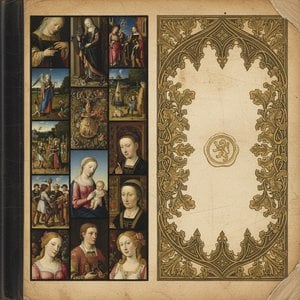
Journey into the world of Early Netherlandish painting! Explore 10 masterpieces by Jan van Eyck, Rogier van der Weyden & more. Discover stunning detail, symbolism & Renaissance art for your home decor. Find museum-quality reproductions on WahooArt.com
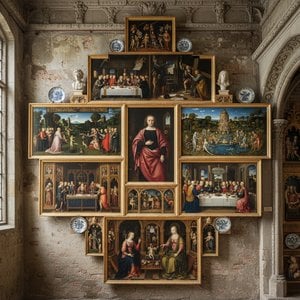
Journey into the Early Netherlandish Renaissance! Explore 10 iconic paintings by Jan van Eyck, Rogier van der Weyden & more. Discover stunning detail, symbolism, and oil painting techniques. Find museum-quality art reproductions for your home at WahooArt.com.


 效果预览
效果预览
 分享
分享 分享
分享
 详情
详情

 下载
下载
 相似作品
相似作品 X射线
X射线 幻灯片播放
幻灯片播放 Stats
Stats

 展开详情
展开详情









 玻璃选项仅适用于110厘米以下的尺寸。


