
 Acrylic On CanvasWallArtEarly Netherlandish Renaissance
 1460
1460 31.0 x 22.0 cm
 大都会艺术博物馆
博物馆级艺术微喷或帆布版画,制作高效,并提供多种饰面选择。 ( 订购此收藏品的纯手工复刻画作 切换至数字图像销售渠道)





























您可以从与原作比例一致的预设尺寸中进行选择。

请输入您所需的宽度和高度,以适配您的画框或墙面。由于印刷品只能进行裁剪,无法超出原图尺寸,因此若比例不一致,画面的一部分将会被裁切。在正式印刷之前,我们会为您发送一份数字效果图供您确认。本页面显示的图片并非最终裁剪后的效果——只有效果图才能展示真实的裁剪情况。
Francesco d'Este
复刻品尺寸说明
Rogier van der Weyden’s “Francesco d’Este,” completed around 1460, stands as a testament to the artistic fervor of Early Netherlandish painting—a period characterized by profound spiritual contemplation and meticulous realism. This portrait transcends mere likeness; it embodies the ideals of Renaissance nobility intertwined with devout piety, capturing a moment frozen in time with remarkable sensitivity.
The subject is Francesco d’Este, son of Leonello d'Este, Duke of Modena. Commissioned during his formative years, the painting depicts him as a young man embarking on military training—a common practice for aristocratic princes at the time—yet radiating an aura of composure and intellectual curiosity. Van der Weyden skillfully arranges the figure within a richly decorated interior space; Francesco occupies the central position, gazing directly at the viewer with an intense gaze that conveys both confidence and introspection.
Van der Weyden’s signature style—renowned for its unparalleled attention to detail and expressive portrayal of human emotion—is vividly evident in “Francesco d’Este.” Like many of his contemporaries, he adhered to the principles of naturalism championed by Filippo Brunelleschi and Donatello, striving to represent reality with unwavering accuracy. However, unlike purely observational depictions, Van der Weyden infused his canvases with psychological depth, conveying not just what was seen but also what was felt.
The painting’s remarkable luminosity stems from Van der Weyden's masterful use of oil paint—a relatively new medium at the time—allowing for subtle gradations of color and a velvety texture that imbues the scene with palpable warmth. Observe how he renders the folds of Francesco’s shirt with painstaking precision, capturing the interplay of light and shadow to create an illusion of three-dimensionality. The textured wall behind him serves as a counterpoint to the figure's stillness, adding visual interest and reinforcing the painting’s overall sense of grandeur.
Beyond its formal beauty, “Francesco d’Este” carries symbolic significance reflecting the cultural milieu of its time. The inclusion of a ring—a symbol of marital status and social standing—underscores Francesco's noble lineage and aspirations. Furthermore, the serene setting evokes biblical imagery, hinting at the spiritual values upheld by the Este family and highlighting Van der Weyden’s commitment to conveying moral virtue through art.
“Francesco d’Este” remains a cornerstone of Early Netherlandish painting—a masterpiece that continues to inspire admiration for its technical brilliance and emotional resonance. Its enduring appeal lies in Van der Weyden's ability to capture not just the outward appearance of his subject but also the inner spirit, cementing his place as one of the most influential artists of the fifteenth century.
罗杰·范德·魏登 的《Francesco d'Este》 的 相似作品 页面展示了相关艺术作品。
在“Francesco d'Este”中,Acrylic On Canvas技法与Early Netherlandish Renaissance运动完美融合。
罗杰·范德·魏登 的《Francesco d'Este》 的建议打印尺寸为 Large。


1400 - 1464 , 比利时
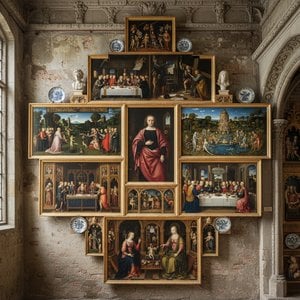
Journey into the Early Netherlandish Renaissance! Explore 10 iconic paintings by Jan van Eyck, Rogier van der Weyden & more. Discover stunning detail, symbolism, and oil painting techniques. Find museum-quality art reproductions for your home at WahooArt.com.

Explore the revolutionary art of Rogier van der Weyden, a pivotal figure of the Early Netherlandish Renaissance. Discover his emotional realism, innovative compositions, and lasting impact on painting history.

Explore the revolutionary art of Hugo van der Goes – a master of Early Netherlandish painting renowned for his dramatic realism, psychological depth & profound influence on Renaissance artists. Discover his iconic works and lasting legacy.

探索伦勃朗25幅杰作,领略荷兰黄金时代光影大师的艺术传奇!从《夜巡》到自画像,深入了解巴洛克艺术、历史绘画与人物肖像背后的故事。WahooArt.com提供高清艺术复制品及家居装饰灵感。立即探索完整系列!
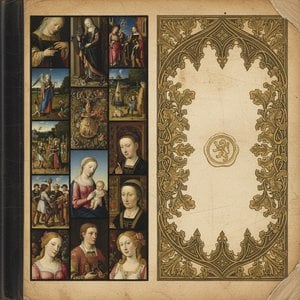
Journey into the world of Early Netherlandish painting! Explore 10 masterpieces by Jan van Eyck, Rogier van der Weyden & more. Discover stunning detail, symbolism & Renaissance art for your home decor. Find museum-quality reproductions on WahooArt.com


 实景预览
实景预览
 发送
发送 分享
分享
 详情
详情 指南
指南

 下载图片
下载图片
 相似作品
相似作品 X射线
X射线 幻灯片播放
幻灯片播放 统计数据
统计数据 阅读全文
阅读全文









 玻璃选项仅适用于110厘米以下的尺寸。


