
博物馆级艺术微喷或帆布版画,制作高效,并提供多种饰面选择。 ( 订购纯手工绘制画作 切换至数字图像销售渠道)





























您可以从与原作比例一致的预设尺寸中进行选择。

请输入您所需的宽度和高度,以适配您的画框或墙面。由于印刷品只能进行裁剪,无法超出原图尺寸,因此若比例不一致,画面的一部分将会被裁切。在正式印刷之前,我们会为您发送一份数字效果图供您确认。本页面显示的图片并非最终裁剪后的效果——只有效果图才能展示真实的裁剪情况。
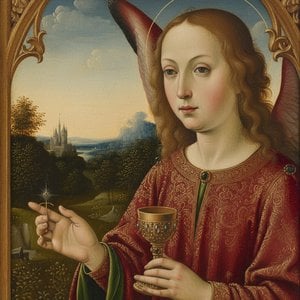
Deposition (detail)
复刻品尺寸
Rogier van der Weyden’s *The Descent from the Cross*, completed around 1435, stands as arguably the most influential Netherlandish painting depicting Christ's crucifixion—a monumental achievement that continues to captivate viewers centuries later. Commissioned by the Leuven Schutterij guild, this panel painting transcends mere representation; it embodies a profound emotional response to religious faith and exemplifies the zenith of Early Flemish artistic innovation.
Van der Weyden’s style is characterized by an unparalleled dedication to realism—a hallmark of the Northern Renaissance. He achieved this remarkable feat through meticulous attention to detail, employing a technique that prioritizes sculpted surfaces and dramatic chiaroscuro (light and shadow). Unlike many contemporaries who favored flattened perspectives, van der Weyden meticulously modeled the figures' musculature and drapery, creating an illusion of palpable physicality.
The artist’s masterful use of color—primarily reds, whites, and blues—further enhances the painting’s emotional impact. These vibrant hues are applied with remarkable precision, capturing the luminosity of flesh tones and conveying a sense of solemn grandeur. The palette is deliberately restrained yet powerfully expressive, reflecting the spiritual seriousness of the subject matter.
The painting’s genesis lies in the patronage of the Leuven Schutterij guild—a civic militia organization dedicated to defending the city. This commission underscores the importance of religious symbolism within medieval society, where depictions of Christ's suffering served as potent reminders of divine compassion and redemption. The Schutterij’s desire for a masterpiece that would inspire devotion is palpable in every brushstroke.
Contemporary art historians like Erwin Panofsky recognized *The Descent from the Cross*'s significance, noting its unparalleled pictorial brilliance and emotional depth. Panofsky famously declared that “It may be said that the painted tear, a shining pearl born of the strongest emotion,” epitomized what Italians most admired in Early Flemish painting—a testament to van der Weyden’s artistic genius.
Beyond its technical virtuosity, *The Descent from the Cross* is laden with symbolic meaning. The depiction of Christ's body in the T-shape—a deliberate reference to the crucifixion itself—emphasizes his sacrificial role. Furthermore, the anguished expressions of Joseph of Arimathea and Nicodemus convey profound sorrow and humility—mirroring the universal human experience of grief.
The meticulous rendering of drapery—particularly Mary’s robe—demonstrates van der Weyden's mastery of textile representation. Each fold and wrinkle is rendered with painstaking accuracy, conveying a sense of texture and movement that contributes to the painting’s overall dramatic effect. Ultimately, *The Descent from the Cross* transcends mere visual spectacle; it communicates an enduring message of faith and compassion—a timeless masterpiece that continues to inspire awe and contemplation.
罗杰·范德·魏登 的《Deposition (detail)》 的 Portrait 格式推荐用于 Living Room。画幅与空间的结合,将为您提供复制品摆放的指引。
"Deposition (detail)" 描绘了 religious scene, crucifixion, mary magdalene, memento mori, emotional expression, medieval art, detail painting,而 罗杰·范德·魏登 的创作主题则以 emotional realism, flemish tradition, christian piety, funerary symbolism, symbolic grief, devotional art, artist’s peak achievement, masterpiece 见长。通过两者的对比,可以发现此作与艺术家惯用题材之间的内在联系。
您可以在作品的下载数字图像页面下载罗杰·范德·魏登 的《Deposition (detail)》,作为高分辨率数字图像下载。

1400 - 1464 , 比利时

Explore the exquisite precision of Flemish painting. From Jan van Eyck to Robert Campin, discover the revolutionary oil techniques and rich symbolism that defined the Northern Renaissance and continue to inspire fine art collectors today.

Delve into the luminous revolution of Early Netherlandish painting. Unveil how Jan van Eyck and Flemish masters pioneered oil techniques to achieve unparalleled depth, sacred symbolism, and breathtaking realism, forever shaping the legacy of Western art history.

Embark on a journey through the exquisite precision of Flemish Art. Discover the pioneering oil techniques, profound symbolism, and luminous realism that define the Northern Renaissance masters in this expert guide for art enthusiasts.
Embark on a journey through the luminous world of Early Netherlandish art. Discover the revolutionary oil techniques, microscopic realism, and sacred symbolism used by masters like Jan van Eyck to redefine Western art history in this expert-led guide.

 实景预览
实景预览
 分享
分享 分享
分享
 详情
详情 指南
指南

 下载作品
下载作品
 相似作品
相似作品 X射线
X射线 幻灯片播放
幻灯片播放 问答
问答
 统计数据
统计数据


 展开全文
展开全文









 玻璃选项仅适用于110厘米以下的尺寸。


