
 Oil On PanelEarly Netherlandish Renaissance
 1445Renaissance
 101.0 x 35.0 cm
 Kunsthistorisches Museum
博物馆级艺术微喷或帆布版画,制作高效,并提供多种饰面选择。 ( 购买手绘画作 切换至数字图像销售渠道)





























从与原作比例一致的预设尺寸中进行选择。

您可以输入自定义尺寸,以适配特定的画框或空间。如果您选择的尺寸与原图比例不符,我们将对作品进行裁剪,或通过镜像填充/纯色填充边缘的方式来扩展图像。在开始制作之前,我们会向您发送一份数字效果图供您确认。
请注意,屏幕上的预览并不能反映实际的裁剪或扩展效果。只有效果图才能准确展示最终的构图。
虽然我们提供定制尺寸,但为了保持原图比例,我们建议您从预设列表中选择尺寸。

Crucifixion Triptych (right wing)
复制品尺寸
In the quiet, hallowed halls of the Kunsthistorisches Museum in Vienna, there exists a fragment of a much larger divine drama—a moment of profound intimacy captured within the right wing of Rogier van der Weyden’s Crucifixion Triptych. Created around 1445, this panel serves as more than just a religious illustration; it is a window into the soul of the Burgundian Renaissance. The scene presents Saint Veronica, a figure of immense spiritual significance, holding the miraculous image of Christ's face. As she gazes upon the cloth, the viewer is invited to share in her reverence, witnessing a silent dialogue between the earthly and the divine that has captivated hearts for over five centuries.
The artistry of Van der Weyden is nothing short of transformative. A master of the Early Netherlandish tradition, he utilized the burgeoning potential of oil paint on oak panel to achieve a level of luminosity that feels almost supernatural. Every brushstroke serves the purpose of heightened realism, yet it is a realism infused with spiritual weight. Notice the way the light catches the textures of her crimson garments, creating deep, velvety shadows and brilliant highlights that suggest a tangible, three-dimensional presence. His technique allows for an exquisite rendering of detail—from the subtle folds of drapery to the delicate, sorrowful expression on the saint's face—ensuring that the physical world feels as vibrant and heavy with meaning as the spiritual one.
Beyond its technical brilliance, the painting is a masterclass in emotional storytelling. Van der Wey Weyden was renowned for his ability to translate human suffering into a language of profound compassion. In this specific panel, the composition directs our focus toward the concept of the Imago Christi—the image of Christ. The way Saint Veronica holds the cloth is not merely an act of preservation, but one of deep, empathetic connection. This sense of "agonizing tenderness" is a hallmark of his style, where the physical anatomy of the figures is used to convey the weight of grief and the strength of unwavering faith.
For the discerning collector or interior designer, bringing a high-quality reproduction of this masterpiece into a space offers more than mere decoration; it introduces a focal point of contemplative beauty. The rich, saturated palette and the dramatic interplay of light and shadow provide a sophisticated aesthetic that complements both classical and contemporary settings. Whether placed in a library, a study, or a grand salon, this work serves as an enduring symbol of resilience and devotion, offering a timeless elegance that transcends the era of its creation.

1400 - 1464 , 比利时

Explore the revolutionary art of Rogier van der Weyden, a pivotal figure of the Early Netherlandish Renaissance. Discover his emotional realism, innovative compositions, and lasting impact on painting history.

探索伦勃朗25幅杰作,领略荷兰黄金时代光影大师的艺术传奇!从《夜巡》到自画像,深入了解巴洛克艺术、历史绘画与人物肖像背后的故事。WahooArt.com提供高清艺术复制品及家居装饰灵感。立即探索完整系列!

Explore the revolutionary art of Hugo van der Goes – a master of Early Netherlandish painting renowned for his dramatic realism, psychological depth & profound influence on Renaissance artists. Discover his iconic works and lasting legacy.
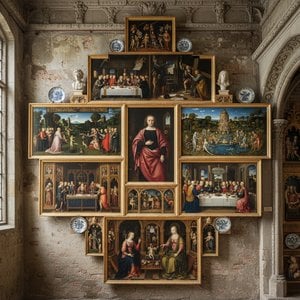
Journey into the Early Netherlandish Renaissance! Explore 10 iconic paintings by Jan van Eyck, Rogier van der Weyden & more. Discover stunning detail, symbolism, and oil painting techniques. Find museum-quality art reproductions for your home at WahooArt.com.
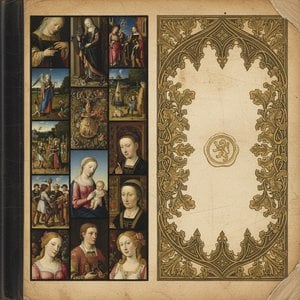
Journey into the world of Early Netherlandish painting! Explore 10 masterpieces by Jan van Eyck, Rogier van der Weyden & more. Discover stunning detail, symbolism & Renaissance art for your home decor. Find museum-quality reproductions on WahooArt.com


 效果预览
效果预览
 分享
分享 分享
分享
 详情
详情

 下载
下载
 相似作品
相似作品 X射线
X射线 幻灯片播放
幻灯片播放 统计数据
统计数据 展开详情
展开详情









 玻璃选项仅适用于110厘米以下的尺寸。


