
博物馆级艺术微喷或帆布版画,制作高效,并提供多种饰面选择。 ( 购买手绘画作 切换至数字图像销售渠道)





























从与原作比例一致的预设尺寸中进行选择。

您可以输入自定义尺寸,以适配特定的画框或空间。如果您选择的尺寸与原图比例不符,我们将对作品进行裁剪,或通过镜像填充/纯色填充边缘的方式来扩展图像。在开始制作之前,我们会向您发送一份数字效果图供您确认。
请注意,屏幕上的预览并不能反映实际的裁剪或扩展效果。只有效果图才能准确展示最终的构图。
虽然我们提供定制尺寸,但为了保持原图比例,我们建议您从预设列表中选择尺寸。

Crucifixion Diptych
复制品尺寸
In the quiet corridors of art history, few works command the same visceral attention as Rogier van der Weyden’s Crucifixion Diptych. Completed around 1460 in Brussels, this masterpiece serves as a profound exploration of human suffering and divine sacrifice. Unlike many of his contemporaries who focused on static religious iconography, van der Weyden sought to bridge the gap between the celestial and the terrestrial. He achieved this by prioritizing psychological depth, capturing the raw, unshielded agony of Christ alongside the mourning figures that surround him. To gaze upon this work is not merely to observe a biblical event, but to participate in a shared moment of profound grief, making it an essential piece for any collection that values emotional resonance and narrative power.
The painting’s composition is a masterclass in dramatic tension. The central figure of Christ, crowned with thorns and suspended in the throes of death, acts as the anchor for a sea of surrounding despair. The artist utilizes a striking red background—a choice that evokes both the blood of the sacrifice and an intense, theatrical atmosphere that envelops the viewer. This use of color, paired with the strategic placement of figures like Mary Magdalene and Saint John the Evangelist, creates a rhythmic movement of sorrow that guides the eye through the scene, ensuring that no detail of the tragedy goes unnoticed.
What truly elevates this work to the status of a masterpiece is van der Weyden’s revolutionary technical approach. Drawing from his early training as a goldsmith, the artist brought an unparalleled precision to the canvas. He employed the classic Flemish technique of applying multiple layers of translucent glazes over a meticulously prepared gesso ground. This painstaking process allows light to penetrate the surface and reflect back, imbuing the skin tones, heavy fabrics, and even the droplets of blood with an ethereal, inner luminosity. This depth of color creates a sense of three-dimensionality that feels almost tactile.
Furthermore, the artist’s use of impasto—the application of thicker paint—adds a layer of physical reality to the work. By accentuating the musculature of Christ and the heavy folds of the mourners' garments, he creates a play of light and shadow, or chiaroscuro, that sculpts the figures within the frame. For the discerning collector or interior designer, these technical nuances offer a rich visual texture that holds interest under varying lighting conditions, making a high-quality reproduction of this piece a captivating focal point in any sophisticated space.
Beyond its historical significance, the Crucifixion Diptych remains a profound symbol of the human condition. The way van der Weyden captures the subtle expressions of anguish—the downturned eyes, the slumped shoulders, and the trembling hands—anticipates the humanist movements that would later define the Renaissance. It is a work that transcends its 15th-century origins to speak to universal themes of loss, faith, and resilience.
For those looking to adorn their homes or galleries with art that inspires deep contemplation, this piece offers an unparalleled opportunity. A hand-painted reproduction of such a significant work allows the grandeur of Early Netherlandish art to inhabit modern environments, bringing a sense of history, gravity, and unmatched beauty to any interior design scheme. It is more than a decoration; it is an invitation to experience one of the most moving chapters in the history of Western painting.


1400 - 1464 , 比利时
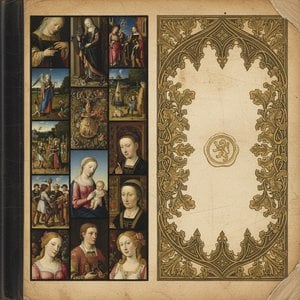
Journey into the world of Early Netherlandish painting! Explore 10 masterpieces by Jan van Eyck, Rogier van der Weyden & more. Discover stunning detail, symbolism & Renaissance art for your home decor. Find museum-quality reproductions on WahooArt.com
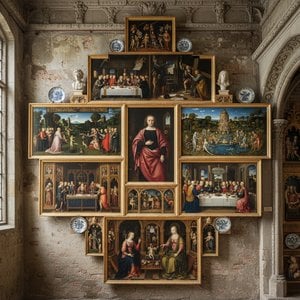
Journey into the Early Netherlandish Renaissance! Explore 10 iconic paintings by Jan van Eyck, Rogier van der Weyden & more. Discover stunning detail, symbolism, and oil painting techniques. Find museum-quality art reproductions for your home at WahooArt.com.

Explore the revolutionary art of Rogier van der Weyden, a pivotal figure of the Early Netherlandish Renaissance. Discover his emotional realism, innovative compositions, and lasting impact on painting history.

Explore the revolutionary art of Hugo van der Goes – a master of Early Netherlandish painting renowned for his dramatic realism, psychological depth & profound influence on Renaissance artists. Discover his iconic works and lasting legacy.

探索伦勃朗25幅杰作,领略荷兰黄金时代光影大师的艺术传奇!从《夜巡》到自画像,深入了解巴洛克艺术、历史绘画与人物肖像背后的故事。WahooArt.com提供高清艺术复制品及家居装饰灵感。立即探索完整系列!


 效果预览
效果预览
 分享
分享 分享
分享
 详情
详情 指南
指南

 下载
下载
 相似作品
相似作品 X射线
X射线 幻灯片播放
幻灯片播放 统计数据
统计数据

 展开详情
展开详情









 玻璃选项仅适用于110厘米以下的尺寸。


