x
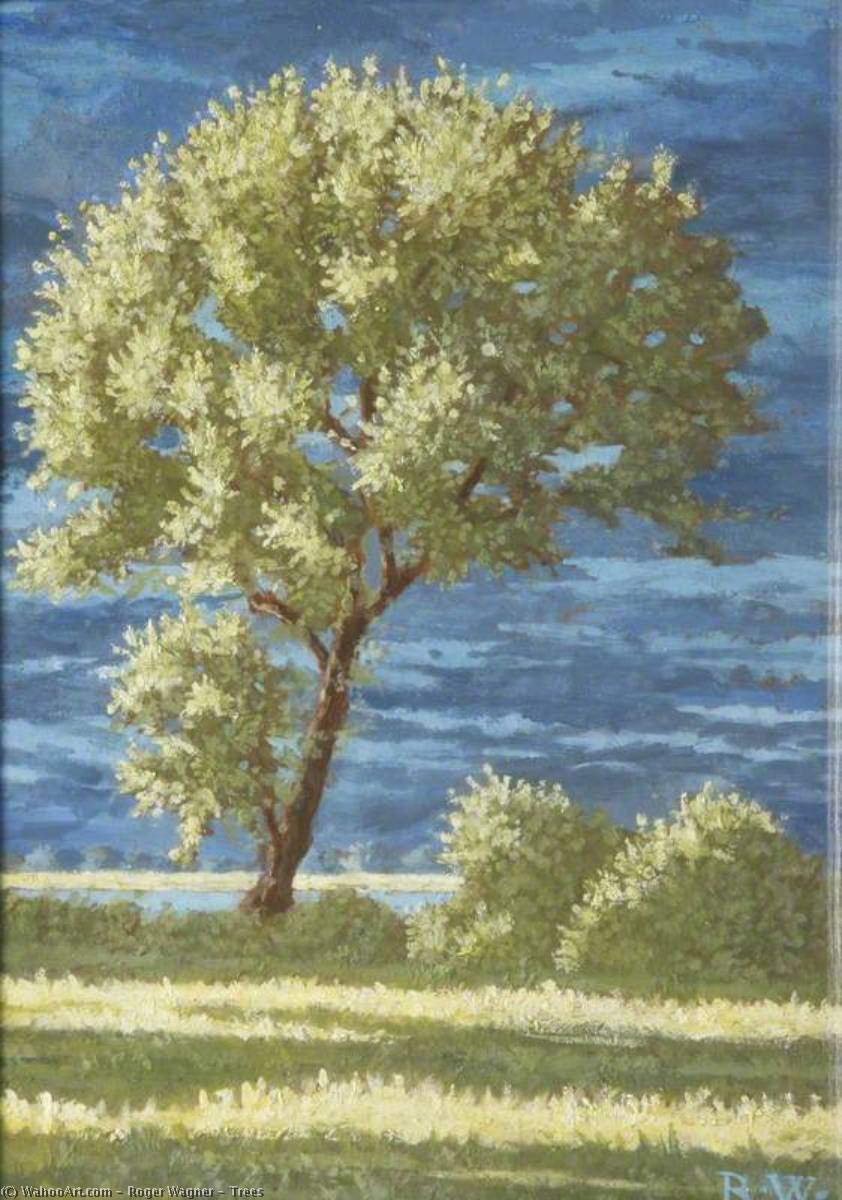
19.0 x 15.0 cm
Lady Margaret Hall购买高分辨率增强版数字图像,其品质远超在线预览。
每一份文件都由我们的内部专家使用先进工具与专业的后期润色技术精心打造。我们确保每一张图像都具备卓越的清晰度、精准的色彩还原度以及细腻的细节表现。
最终文件将在 72 小时内通过电子邮件交付,并针对专业、编辑及印刷用途进行了优化。其品质与顶级设计工作室、出版社和画廊所信赖的标准完全一致。
选择 WahooArt.com,您获得的不仅仅是一张图像——您收到的是经过专业级增强、精雕细琢的数字艺术作品,并享有满意保证。以下是您的订单中自动包含的所有内容:
您的高分辨率数字图像文件将在下单后 72 小时内通过电子邮件发送给您 —— 即可立即使用。
您的艺术品经过专业优化,结合先进的 AI 技术与人工修饰,确保呈现极致的细节、清晰度与色彩准确度。
不小心删除了文件或找不到了?没关系——我们将随时为您免费重发。
即刻拥有您的艺术作品,无需支付任何关税、税费或运费——数字下载始终免税。
我们通过专业工具与色彩管理技术,确保您的数字图像尽可能真实地还原原作色彩。
如果您对所购买的数字图像不满意,我们将在60天内为您进行修改或退还100%的款项——无需任何解释。
如果不满意?在收到数字文件后的60天内,我们为您提供全额退款——无需任何理由。
购买 3 张图片可享 10% 折扣 - 购买 5 张可享 15% 折扣 - 购买 10+ 张可享 20% 折扣。非常适合创意项目、画廊和机构使用。
James Dickson Innes, born on February 27, 1887, in the small farming community of Claremont, Ontario, was a figure shrouded in both mystery and enduring artistic legacy. His early life, though relatively undocumented, laid the groundwork for his distinctive style – a potent blend of observation, emotion, and a deep connection to the Canadian wilderness. Growing up on a farm near the Bruce Peninsula instilled within him a profound respect for nature, a skill honed through hunting, fishing, and close study of the surrounding landscape. The family’s musical inclinations—singing in the church choir and playing instruments—suggested an appreciation for harmony and rhythm that would later find expression in his art. His father, John Thomson, was a practical man, while his mother, Margaret Matheson, fostered a love of learning and literature within the household, providing him with a rich intellectual environment.
The influence of his upbringing extended beyond mere observation; it involved direct engagement with the natural world. His cousin, Dr. William Brodie, a renowned naturalist, introduced young Innes to the intricacies of botany and zoology, cultivating a keen eye for detail and an understanding of ecological relationships. This early exposure shaped his artistic vision, imbuing his paintings with a sense of authenticity and reverence for the wilderness.
Following his education at Christ College in Brecon, Wales, Innes’s path led him to Toronto, where he enrolled in the Slade School of Art in London. This period marked a crucial turning point, exposing him to European artistic trends—particularly Impressionism and Post-Impressionism—and providing him with formal training in drawing and painting techniques. The vibrant art scene of late 19th and early 20th century London offered a stimulating contrast to the quiet solitude of his rural upbringing.
Upon returning to Canada, Innes found himself immersed in a burgeoning artistic community in Toronto. He worked as an engraver for Maring & Ladd, a prominent printing firm specializing in advertising and commercial art. This experience honed his technical skills and exposed him to a diverse range of subjects—from portraits and landscapes to illustrations and decorative designs. However, the regimented nature of commercial work ultimately proved unsatisfying for the artistically inclined Innes.
Seeking inspiration and a more fulfilling creative outlet, he joined his brothers Ralph and Henry in Seattle, Washington, where they had established the Acme Business College. This move marked a significant shift in his artistic trajectory, as he began to focus on painting landscapes—capturing the rugged beauty of the Pacific Northwest. The region’s dramatic topography, dense forests, and expansive skies provided an endless source of subject matter for his evolving style.
During this period, Innes developed a distinctive approach characterized by bold colors, loose brushwork, and a sense of immediacy. He drew inspiration from the works of Turner and Constable, but ultimately forged his own unique voice—one that reflected both the grandeur of the natural world and the emotional intensity of his personal experience.
Returning to Canada in 1904, Innes settled in Leith, a small village on the Bruce Peninsula. This period proved pivotal in shaping his artistic vision, as he spent countless hours immersed in the wilderness, observing and documenting the ever-changing light and atmosphere of the landscape. He began to experiment with new techniques—particularly watercolor—and developed a more expressive and emotionally charged style.
His work during this time is characterized by a vibrant palette, loose brushwork, and a sense of spontaneity. He sought to capture not just the visual appearance of the landscape but also its underlying mood and energy. The influence of Impressionism is evident in his use of broken color and fleeting effects of light, while his compositions often convey a feeling of solitude and introspection.
In 1908, Innes’s health began to deteriorate, prompting him to seek treatment in Europe. He spent several years traveling through France and Spain, immersing himself in the artistic traditions of these countries. These experiences further broadened his artistic horizons and contributed to the development of his distinctive style.
Despite facing ongoing health challenges, Innes continued to paint throughout his life, producing a significant body of work that is now recognized as one of the most important examples of Canadian landscape painting. His paintings are characterized by their emotional intensity, vibrant colors, and evocative depictions of the Canadian wilderness.
In 1914, James Dickson Innes died at Swanley, Kent, England, at the age of 27. His untimely death cut short a promising career, but his legacy endures through his paintings, which are held in numerous public and private collections across Canada and beyond. Today, Innes is celebrated as a pioneering figure in Canadian art—a visionary artist who captured the spirit of the wilderness and left an indelible mark on the nation’s artistic landscape.
His work continues to resonate with viewers today, offering a powerful reminder of the beauty and fragility of the natural world.
1914 - 1992
向我们介绍您的项目需求,我们的艺术专家将为您提供 3 个个性化的艺术品推荐。
由我们的专家为您精选 3 款心仪之作 —— 完全免费!