
 Oil On CanvasWallArtImpressionism
 1919
1919 50.0 x 60.0 cm
 阿什莫利博物馆
博物馆级艺术微喷或帆布版画,制作高效,并提供多种饰面选择。 ( 订购此收藏品的纯手工复刻画作 切换至数字图像销售渠道)





























您可以从与原作比例一致的预设尺寸中进行选择。

请输入您所需的宽度和高度,以适配您的画框或墙面。由于印刷品只能进行裁剪,无法超出原图尺寸,因此若比例不一致,画面的一部分将会被裁切。在正式印刷之前,我们会为您发送一份数字效果图供您确认。本页面显示的图片并非最终裁剪后的效果——只有效果图才能展示真实的裁剪情况。
The Chestnut Tree
复刻品尺寸说明
Robert Polhill Bevan's "The Chestnut Tree," painted in 1919, isn’t merely a depiction of a rural scene; it’s a carefully constructed evocation of the English countryside imbued with a quiet intensity and a nascent modernist sensibility. This oil on canvas transports us to a moment suspended between tradition and a burgeoning awareness of color and form – a pivotal point in British art history. The painting immediately draws the eye with its muted palette, dominated by earthy browns, deep greens, and subtle greys, creating an atmosphere of understated beauty and timelessness. It’s a landscape that feels both familiar and subtly unsettling, inviting contemplation rather than immediate gratification.
Bevan, a key figure in the Camden Town Group and a pioneer of British Post-Impressionism, was deeply influenced by the artistic currents swirling through Paris at the time. However, he skillfully synthesized these influences – particularly the vibrant color palettes of Gauguin and the evocative brushwork of Pissarro – with his own distinctly English sensibility. The composition itself is deceptively simple: a weathered stone farmhouse anchors the scene, its sturdy presence contrasting with the delicate branches of the chestnut tree that dominates the upper portion of the canvas. The arrangement feels deliberately balanced, yet there’s an underlying tension—a sense of quiet observation rather than dramatic action.
Beyond its purely visual appeal, “The Chestnut Tree” is rich in symbolic meaning. The chestnut tree itself holds a complex significance in British folklore and tradition – representing longevity, fertility, and even resurrection. Its presence here speaks to a deep connection with the land and a reverence for nature’s cycles. The farmhouse, too, carries weight; it embodies stability, heritage, and the enduring values of rural life. The muted colors contribute to this sense of rootedness, suggesting a timeless quality that transcends specific moments in time.
Furthermore, the painting can be interpreted as a reflection on the changing social landscape of early 20th-century Britain. Bevan’s work emerged during a period of rapid industrialization and urbanization, prompting artists to seek solace and inspiration in the countryside. “The Chestnut Tree” captures this yearning for connection with nature—a desire to preserve the values of rural life against the relentless march of modernity. The solitary farmhouse suggests a quiet resistance, a steadfastness amidst change.
Bevan’s masterful technique is evident in every brushstroke. He employs a loose, expressive style that prioritizes capturing the *impression* of light and color over meticulous detail. Thick impasto application—particularly noticeable on the building's walls and the foliage—creates a tactile surface, inviting viewers to almost feel the texture of the paint. The use of broken color – applying small dabs of pure pigment side-by-side rather than blending them seamlessly – adds vibrancy and luminosity to the scene.
The artist’s skillful manipulation of light is particularly noteworthy. A diffused, overcast sky casts a soft glow over the landscape, creating an atmosphere of tranquility and mystery. The shadows are deep but not harsh, contributing to the painting's overall sense of harmony. Bevan’s ability to capture the subtle nuances of light and color—a hallmark of Impressionism—demonstrates his technical prowess and artistic sensitivity.
Reproductions of "The Chestnut Tree" offer a remarkable opportunity to bring this evocative landscape into your home or office. Whether you’re drawn to its rustic charm, its symbolic depth, or simply its exquisite beauty, this painting is sure to spark conversation and inspire contemplation. A high-quality reproduction captures the essence of Bevan's original work—the rich colors, the expressive brushwork, and the underlying sense of timelessness. It’s a piece that will add character and sophistication to any space, serving as a constant reminder of the beauty and tranquility of the English countryside.
罗伯特·波希尔·贝文 的《The Chestnut Tree》 的创作年份为 1919。
在罗伯特·波希尔·贝文的艺术生涯中,"The Chestnut Tree"创作于Early 20th Century时期。这一阶段有助于将其与艺术家的其他作品进行比较。
罗伯特·波希尔·贝文 的《The Chestnut Tree》 的手绘复制品正在 本网站 发售:您可以通过其 手工油画复刻 页面进行订购:亚麻画布手工绘制油画复制品。


1865 - 1925 , 英国
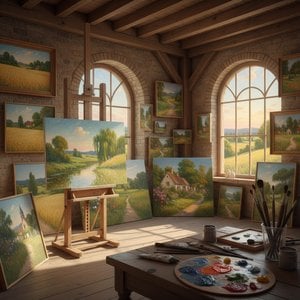
Discover the profound tranquility of rural art through an expert exploration of Impressionist landscapes. From pastoral scenes to textured oil masterpieces, learn how timeless nature-inspired artworks bring enduring elegance and serenity to sophisticated collectors.

Explore the ethereal beauty of Impressionist landscapes. Discover how masters like Monet captured fleeting light through color and texture, and learn to curate these timeless, luminous masterpieces for your home collection.

Elevate your personal landscapes into breathtaking Impressionist oil masterpieces. WahooArt transforms your cherished photos into museum-quality, hand-painted treasures through academic artistry and premium craftsmanship. Invest in a timeless legacy for your home today.

Explore the profound beauty of village scene art. From Impressionist light to pastoral realism, discover how timeless landscapes capture nostalgia through expert artistry and historical depth. Perfect for collectors seeking evocative, museum-quality landscape inspirations.

Discover the profound emotional depth of Post-Impressionist landscapes. Explore how masters like Van Gogh revolutionized art through vibrant color, textured impasto, and symbolic expression in this expert guide to the movement that redefined modern art history.


 实景预览
实景预览
 发送
发送 分享
分享
 详情
详情 指南
指南

 下载图片
下载图片
 相似作品
相似作品 X射线
X射线 幻灯片播放
幻灯片播放 统计数据
统计数据 阅读全文
阅读全文









 玻璃选项仅适用于110厘米以下的尺寸。


