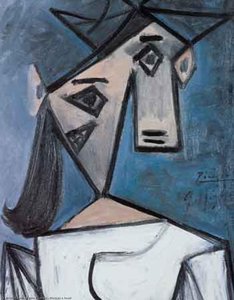
Andrew Wyeth: A Vision of American Isolation
Andrew Newell Wyeth (July 12, 1917 – January 16, 2009) stands as one of the most distinctive and enduring figures in 20th-century American art. Often described as a realist painter, his work transcends simple representation, delving into profound themes of memory, isolation, and the quiet dignity of rural life. Born in Portland, Maine, Wyeth’s artistic journey was deeply rooted in his family's legacy – particularly that of his father, N.C. Wyeth, a celebrated illustrator and member of the Brandywine School. This familial connection provided both inspiration and a subtle pressure to forge his own unique path, one characterized by an intensely personal and often melancholic vision.
Wyeth’s early life was shaped by the landscapes and people of Maine and Pennsylvania. He spent countless hours observing his surroundings, meticulously capturing details that spoke volumes about time, place, and human experience. His childhood was marked by a close relationship with his grandmother, Fannie Wyeth Stillwell, whose presence became a recurring motif in his work – most famously depicted in *Christina’s World* (1948), an image that has become synonymous with his style. This painting, housed at the Museum of Modern Art in New York City, exemplifies Wyeth's ability to imbue seemingly simple scenes with layers of psychological depth and emotional resonance.
- Key Influences: Wyeth’s artistic development was profoundly influenced by several sources. Winslow Homer, the renowned 19th-century landscape painter, instilled in him a deep appreciation for capturing light and atmosphere. Henry David Thoreau's philosophy of observation and connection with nature resonated deeply, shaping his approach to subject matter. Furthermore, King Vidor’s cinematic techniques – particularly his use of lighting and composition – subtly informed Wyeth’s visual storytelling.
- Regionalist Style: While often categorized as a realist, Wyeth's work is frequently associated with the Regionalist movement, though he resisted this label. His focus on the specific landscapes and people of Pennsylvania and Maine—particularly the rural communities surrounding Chadds Ford, Pennsylvania—and his meticulous attention to detail set him apart from more overtly political or social-commentary oriented regionalists.
- Technique: Wyeth’s distinctive style is characterized by a slow, deliberate approach to painting. He often worked on a single piece for months, even years, meticulously layering thin washes of color and building up detail with painstaking precision. His use of tempera paint—particularly in his later works—allowed him to achieve remarkable luminosity and depth.
The Windows Series and the Exploration of Memory
Beginning in the late 1940s, Wyeth embarked on a series of paintings depicting windows – a motif that would become central to his artistic practice for decades. These “Windows” paintings are not simply representations of glass; they are portals into other worlds, reflections of memory, and explorations of isolation. Each window frames a scene—a room, a landscape, or even an interior space—and through its reflection, Wyeth invites the viewer to contemplate the relationship between the seen and the unseen, the real and the imagined.
The Windows series is particularly notable for its exploration of memory and loss. Many of these paintings depict rooms that appear to be frozen in time, filled with objects that evoke a sense of nostalgia and longing. The figures within these scenes are often ambiguous, their identities obscured by shadow and distance, suggesting the elusive nature of memory itself. Wyeth’s masterful use of light and color further enhances this effect, creating an atmosphere of quiet melancholy and profound introspection.
- Recurring Motifs: Within the Windows series, certain motifs recur—such as a woman in a white dress, a child playing with a toy, or a solitary figure gazing out a window. These recurring elements contribute to the sense of continuity and suggest that Wyeth was grappling with universal themes of human experience.
- Psychological Depth: The Windows paintings are not merely visually appealing; they possess a remarkable psychological depth. They invite viewers to engage in a process of interpretation, projecting their own memories and emotions onto the scenes depicted.
Recognition and Legacy
Despite his initial reluctance to embrace publicity, Andrew Wyeth received widespread recognition for his work throughout his career. He was awarded the Presidential Medal of Freedom in 1988, a testament to his enduring influence on American art. In 1987, he was elected to the French Académie des Beaux-Arts—a rare honor bestowed upon an American artist—solidifying his place among the most esteemed figures in the international art world.
Wyeth’s legacy extends far beyond his individual paintings. His meticulous observation, his profound understanding of human emotion, and his distinctive visual style have influenced generations of artists. *Christina's World* remains one of the most iconic images of the 20th century, a powerful symbol of American isolation and resilience. Andrew Wyeth’s art continues to resonate with viewers today, inviting us to contemplate the beauty and melancholy of the everyday world.
Further Exploration
For more information about Andrew Wyeth, please consult the following resources:



 效果预览
效果预览
 购买手绘画作
 分享
分享 分享
分享
 详情
详情

 下载
下载
 相似作品
相似作品 X射线
X射线 幻灯片播放
幻灯片播放


 展开详情
展开详情






































 玻璃选项仅适用于110厘米以下的尺寸。