
 Oil On CanvasWallArtBaroque
 1634Early Modern
 76.0 x 61.0 cm
由我们的艺术家按需定制,为您提供您所选尺寸及画框的布面手工油画。 ( 切换至版画销售渠道 切换至数字图像销售渠道)





























从与原作比例一致的预设尺寸中进行选择。

您可以输入自定义尺寸,以适配特定的画框或空间。如果所选尺寸与原图比例不符,我们将通过裁剪作品或添加手绘元素来扩展画面。数字样稿将在制作开始前发送给您确认。
请注意,屏幕预览无法准确反映实际的裁剪或扩展效果,只有样稿才能真实呈现最终的构图。
虽然我们提供定制尺寸服务,但为了保留原作比例,建议您从预设列表中选择尺寸。

Saint Paul
复制品尺寸
In the grand tapestry of the Italian High Baroque, few images command the viewer's attention with such quiet, spiritual gravity as Guido Reni’s Saint Paul. Painted in 1634, this oil on canvas is far more than a mere religious portrait; it is a profound psychological study of faith and fortitude. The central figure emerges from a shadowed, atmospheric background, his presence anchored by the rugged textures of his beard and the thoughtful furrow of his brow. Reni, often celebrated as Le Guide for his mastery over classical principles, directs our gaze toward the saint's face, where a sense of deep contemplation and spiritual intensity resides. The play of light across the subject’s features creates a sculptural depth, inviting anyone who stands before it to participate in the apostle's moment of divine reflection.
The technical brilliance of this masterpiece lies in Reni’s ability to blend the dramatic tension of the Baroque period with an elegant, refined classicism. Through the meticulous application of oil paints, the artist achieves a breathtaking realism, particularly in the way light dances upon the saint's dark, curly hair and the heavy folds of his crimson robe. This vibrant red, draped with grace over a pristine white garment, serves as a powerful visual anchor, contrasting sharply against the darker, more muted tones of the background. Such use of color is not merely decorative; it breathes life into the canvas, providing a tactile quality that makes the figure feel almost tangible within the space.
Every element within this composition is imbued with profound iconographic meaning, designed to resonate with the faithful and the art scholar alike. Most striking is the sword held firmly in Saint Paul’s hand—a potent symbol of his eventual martyrdom and his unwavering commitment to the Gospel. This instrument of death, rendered with sharp clarity, serves as a poignant reminder of the cost of devotion. The sword transforms the painting from a simple portrait into a narrative of sacrifice, adding a layer of solemnity that elevates the work's emotional impact. As the viewer contemplates the steel, they are simultaneously drawn to the saint’s expression, which suggests a man who has found peace even in the face of impending struggle.
For the discerning collector or interior designer, bringing a reproduction of this work into a space offers more than just aesthetic beauty; it introduces a sense of historical continuity and intellectual depth. The painting's themes of resilience and spiritual conviction are timeless, making it an ideal centerpiece for a room designed to inspire thought and tranquility. Whether placed in a private study or a grand salon, the Saint Paul serves as a window into the seventeenth century, offering a sophisticated touch of Bolognese School elegance that complements both classical and contemporary decor. It is a piece that does not merely decorate a wall but enriches the very atmosphere of a home with its enduring grace and dramatic power.

圭多·雷尼,又称Le Guide,于1575年出生在意大利博洛尼亚。他是音乐家达尼埃莱·雷尼和同样出身音乐世家的吉内夫拉·波齐唯一的孩子。这种成长环境培养了他对和谐与形式的欣赏,这后来深刻影响了他的艺术风格。九岁时,圭多开始师从在博洛尼亚工作的佛兰德画家丹尼斯·卡尔瓦特 (Denis Calvaert)。他与同为有抱负的艺术家阿尔巴尼和多梅尼科一起学习,为古典原则奠定了坚实的基础。
雷尼的艺术生涯遍布意大利多个城市,包括罗马、那不勒斯和他的家乡博洛尼亚。他早期的作品展现了卡尔瓦特和卡拉奇兄弟的影响,强调了解剖学准确性和戏剧性的构图。然而,雷尼很快发展出一种独特的风格,其特点是优雅的古典主义、精致的技巧和强烈的情感表达。他成为博洛尼亚画派的主导人物,该画派以其对学术训练和理想化形式的重视而闻名。
雷尼的作品涵盖了广泛的主题,包括宗教场景、神话故事和寓言表现。他最著名的作品包括:
雷尼的风格通常被描述为折衷主义古典主义。他将古典艺术的精确性与巴洛克时期的活力和情感相结合。他的形象通常是理想化的,具有宁静的美丽和优雅的动作。
圭多·雷尼在塑造意大利高巴洛克风格方面发挥了关键作用。他以其精致的技巧、优雅的构图和情感深度影响了一代又一代艺术家。他的作品可以在世界各地的著名博物馆找到,包括那不勒斯卡波迪蒙特宫。 雷尼的遗产超越了绘画;他同时也是一位诗人,并且在他所处的时代是一位受人尊敬的知识分子。
他的艺术继续激励着当今的艺术家和艺术爱好者,巩固了他作为17世纪最重要的画家之一的地位。 他的影响可以从随后的巴洛克艺术家身上看到,他们试图模仿他的优雅和情感力量。
圭多·雷尼于1642年去世于博洛尼亚,留下了一笔丰富的艺术遗产,几个世纪以来继续吸引着观众。

1575 - 1642 , 意大利
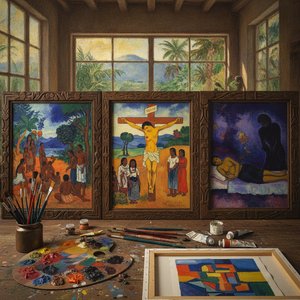
Immerse yourself in the vibrant world of Paul Gauguin. Explore 25 iconic Post-Impressionist masterpieces, from Tahitian landscapes to bold symbolic works. Find inspiration for museum-quality art reproductions and decor. Discover all masterpieces on WahooArt.com.
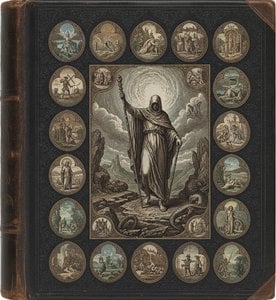
Step into the dramatic world of Gustave Doré. Explore 25 iconic masterpieces of light and shadow, from epic biblical engravings to gothic tales. Find museum-quality art reproductions and timeless decor inspiration. Discover all masterpieces on WahooArt.com.

Embark on a visual journey through the top 25 masterpieces of Paul Klee. Explore his iconic use of color, rhythm, and abstraction through museum-quality stories and art reproductions. Find perfect inspiration for your decor. Discover all masterpieces on WahooArt.com.
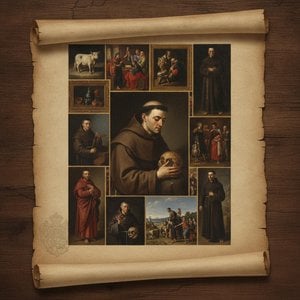
Immerse yourself in the dramatic world of Francisco de Zurbarán. Explore 25 iconic Spanish Baroque masterpieces defined by intense tenebrism and spiritual realism. Find inspiration for museum-quality art reproductions and decor. Discover all masterpieces on WahooArt.com.

Embark on a visual journey through Paul Cézanne’s 25 most iconic Post-Impressionist masterpieces. Uncover the stories, textures, and revolutionary techniques that shaped modern art. Find museum-quality reproductions for inspired decor at WahooArt.com. Discover all masterpieces on WahooArt.com.


 效果预览
效果预览
 分享
分享 分享
分享
 详情
详情

 下载
下载
 相似作品
相似作品 X射线
X射线 幻灯片播放
幻灯片播放 统计数据
统计数据 展开详情
展开详情









 玻璃选项仅适用于110厘米以下的尺寸。


