LithographRealism
 189019th Century
 21.0 x 46.0 cm
 The Raja Ravi Varma Heritage Foundation
博物馆级艺术微喷或帆布版画,制作高效,并提供多种饰面选择。 ( 购买手绘画作 切换至数字图像销售渠道)





























从与原作比例一致的预设尺寸中进行选择。

您可以输入自定义尺寸,以适配特定的画框或空间。如果您选择的尺寸与原图比例不符,我们将对作品进行裁剪,或通过镜像填充/纯色填充边缘的方式来扩展图像。在开始制作之前,我们会向您发送一份数字效果图供您确认。
请注意,屏幕上的预览并不能反映实际的裁剪或扩展效果。只有效果图才能准确展示最终的构图。
虽然我们提供定制尺寸,但为了保持原图比例,我们建议您从预设列表中选择尺寸。

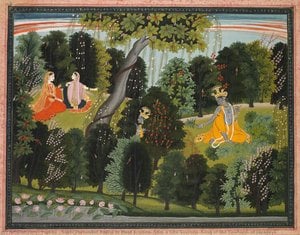
Yashoda Krishna
复制品尺寸

The Ravi Varma Lithographic Press was established in 1894 in Malavli, India. While not an artist *per se*, the press played a pivotal role in disseminating the art of Raja Ravi Varma, one of India’s most celebrated painters. The founding of the press marked a significant turning point in Indian art history, driven by the desire to make fine art accessible to a broader population.
Prior to the press, access to Raja Ravi Varma’s paintings was limited primarily to royalty and the wealthy elite. The Ravi Varma Lithographic Press revolutionized this by mass-producing high-quality lithographs – prints created using a chemical process – of his iconic works. This innovative approach dramatically lowered the cost of art ownership, effectively democratizing it and bringing it within reach of common people across India.
The press didn’t create original artwork; its expertise lay in the meticulous reproduction of Raja Ravi Varma's paintings. The lithographic process involved transferring an image onto a stone or metal plate, treating it to accept ink only where the image was desired, and then printing multiple copies. This required skilled technicians and careful attention to detail to maintain the quality and vibrancy of the original artwork.
The press was directly influenced by Raja Ravi Varma's artistic vision. Varma himself blended European academic art techniques – particularly in realism and perspective – with traditional Indian iconography and themes. The lithographs faithfully reflected this unique style, making it widely available.
The Ravi Varma Lithographic Press operated successfully until 1980, leaving an indelible mark on Indian culture. Its achievements include:
The press’s legacy continues to inspire, demonstrating the power of technology to bridge cultural divides and make art a universal experience.

1894 - 1980 , India

Explore the profound iconography of Saint Jerome through art history's most iconic masterpieces. From Renaissance serenity to Baroque drama, discover how legendary painters captured divine devotion in breathtaking oil paintings and fine art reproductions.

Embark on a scholarly journey through the alchemy of lithography. This definitive guide offers collectors profound insights into the chemical mastery of stone and ink, the medium's historical legacy, and essential expertise for acquiring rare, museum-quality prints with absolute confidence.

Embark on a profound journey through the ethereal masterpieces of Fra Angelico. Discover the spiritual depth, divine light, and technical brilliance of the 'Angelic Painter' in this expert exploration of Early Renaissance devotion and sacred art history.


 效果预览
效果预览
 分享
分享 分享
分享
 详情
详情

 下载
下载
 相似作品
相似作品 X射线
X射线 幻灯片播放
幻灯片播放 统计数据
统计数据 展开详情
展开详情









 玻璃选项仅适用于110厘米以下的尺寸。