
博物馆级艺术微喷或帆布版画,制作高效,并提供多种饰面选择。 ( 订购此收藏品的纯手工复刻画作 切换至数字图像销售渠道)





























您可以从与原作比例一致的预设尺寸中进行选择。

请输入您所需的宽度和高度,以适配您的画框或墙面。由于印刷品只能进行裁剪,无法超出原图尺寸,因此若比例不一致,画面的一部分将会被裁切。在正式印刷之前,我们会为您发送一份数字效果图供您确认。本页面显示的图片并非最终裁剪后的效果——只有效果图才能展示真实的裁剪情况。
Madonna di Foligno
复刻品尺寸说明
Raphael’s Madonna di Foligno stands as a testament to the High Renaissance's pursuit of idealized beauty and harmonious composition—a painting that transcends mere representation to embody spiritual grace and profound emotion. Completed in 1511-1512 during Raphael’s formative Roman years, this masterpiece isn’t simply a depiction of the Virgin Mary and Child; it’s a carefully orchestrated tableau brimming with symbolism and reflecting the cultural currents of its time.
The painting immediately captivates with its balanced composition. Raphael masterfully employs *contrapposto*, a technique where figures are posed with a slight twist, creating a sense of dynamic equilibrium. Mary is seated on a cloud-like elevation, her posture radiating serenity and maternal tenderness. Her flowing robes, rendered in rich blues and reds, contrast beautifully against the softer hues of the heavenly background. The infant Jesus, nestled securely within her arms, mirrors her composure with an innocent gaze that draws the viewer into their intimate connection. The careful arrangement of the surrounding figures—St. Jerome presenting a kneeling Sigismondo de’ Conti, St. John the Baptist gesturing towards the divine scene, and a radiant angel—further enhances this sense of balanced harmony.
The Madonna di Foligno’s origins are deeply intertwined with the patronage of Sigismondo de' Conti, a prominent figure in Foligno and a chamberlain to Pope Julius II. Commissioned as an altarpiece for Santa Maria in Aracoeli in Rome, it later found its home within the monastery of St. Anne in Foligno—hence the painting’s name. The story behind the commission adds another layer of significance: Conti was miraculously spared from death during a lightning strike over his house, and he attributed this deliverance to divine intervention through the Virgin Mary. The painting, therefore, became a tangible expression of gratitude and a powerful symbol of faith.
Note the deliberate inclusion of St. Jerome, presenting Sigismondo—a visual representation of supplication and reliance on divine grace. The gesture of St. John the Baptist, pointing towards the celestial realm, reinforces this theme of spiritual elevation. The landscape in the background, subtly depicting Foligno, serves as a grounding element, connecting the earthly and heavenly realms within the composition.
Raphael’s masterful command of oil paint is evident throughout the Madonna di Foligno. The use of *sfumato*, a technique involving subtle gradations of tone to create soft, hazy effects, lends the figures an ethereal quality—a characteristic hallmark of Raphael’s style. The rich colors are applied with meticulous detail, capturing the textures of fabrics and the luminosity of Mary's robes. The painting was originally executed on wood panel, later transferred to canvas, a common practice during this period that allowed for greater flexibility in handling the artwork.
Furthermore, Raphael’s attention to anatomical accuracy—a key element of High Renaissance art—is subtly integrated into the depiction of Mary and Child. While idealized, their forms possess a realistic quality, reflecting a deep understanding of human anatomy and proportion. The delicate rendering of the infant Jesus' features, combined with the serene expression on Mary’s face, evokes a profound sense of peace and maternal love.
At WahooArt.com, we are proud to offer a meticulously crafted handmade oil painting reproduction of the Madonna di Foligno. Our skilled artists utilize only the finest materials—high-quality oil paints and archival canvas—to faithfully recreate Raphael’s masterpiece. We offer custom sizes to suit your individual needs, alongside museum-quality framing options to ensure that this iconic artwork will be a stunning addition to any home or office. Explore more of Raphael’s works at WahooArt.com, and discover the beauty and legacy of this extraordinary artist.
For further insights into Raphael's life and work, visit Raphael’s page on WahooArt.com.
拉斐尔 的《Madonna di Foligno》 的建议打印尺寸为 Large。
“Madonna di Foligno” 具备增强现实预览功能:通过作品的 AR 预览 页面,您可以在兼容设备上查看该作品呈现在您专属空间的效果。
拉斐尔 的《Madonna di Foligno》 的色彩呈现出 Balanced Soft 的饱和度。饱和度描述了色彩的鲜艳或柔和程度。

拉斐尔,原名拉斐埃洛·桑齐奥·达·乌尔比诺(Raffaello Sanzio da Urbino),是西方艺术史上最受推崇的人物之一。他于1483年出生在意大利中央小城乌尔比诺,这个城市本身就是一个孕育艺术与人文思想的温床。他的父亲乔瓦尼·桑齐奥不仅是一位画家,更是杜克费德里科·达·蒙特费尔特罗宫廷中的诗人,对文艺复兴思潮有着深刻的理解,并积极从意大利各地乃至更远的地方搜集新的艺术理念。这种浸润在宫廷文化中的环境,塑造了拉斐尔年轻时的审美情趣和对知识的渴望。父亲早逝后,年仅十一岁的拉斐尔便承担起家庭责任,并在家族作坊中磨练技艺,吸收着当地艺术家们的传统与技巧。即使在他早期作品中,也能窥见他日后成熟风格中的温柔优雅和一丝不苟的细节处理。
拉斐尔的艺术之路是一条不断演进的旅程,充满了学习与融合。最初在佩鲁贾跟随彼得罗·培鲁吉诺的训练,为他奠定了翁布里亚画派的基础——这种风格以柔和的造型、和谐的构图和宁静的宗教场景为特点。然而,拉斐尔的好奇心驱使着他不断探索新的挑战,拓展艺术视野。1504年,他前往充满创新活力的佛罗伦萨,在那里,他接触到了列奥纳多·达·芬奇和米开朗基罗的杰作,这两位艺术家正在以前所未有的方式突破绘画的界限。他仔细研究他们的技巧——列奥纳多的晕染法(sfumato),其微妙的光影过渡;以及米开朗基罗强大的解剖学精确性和戏剧性的构图。佛罗伦萨时期是拉斐尔艺术生涯中的一个熔炉,迫使他面对新的可能性并将其融入自己的独特视角。这种影响体现在他此后作品中动态感和心理深度上的提升,尤其是在他的圣母像系列中。
1508年,拉斐尔收到了一份改变其职业生涯轨迹的邀请——教皇朱利叶斯二世邀请他前往罗马。这标志着他最富有成效和受人称颂的时期开始。永恒之城为他在宏大的尺度上展示才华提供了无与伦比的机会,用令人惊叹的壁画装饰了梵蒂冈的教皇公寓。《雅典学院》,无疑是他最著名的作品之一,见证了他对构图、透视和哲学寓意的掌握。在这幅雄伟的空间中,拉斐尔汇集了古希腊罗马时期的代表人物——柏拉图、亚里士多德、毕达哥拉斯、欧几里得等,创造了一个生机勃勃的场景,颂扬了人类理性与知识的追求。此后,他继续为后来的教皇服务,如列奥十世,承担了装饰“署名厅”(Stanze della Segnatura)和“厄利多罗厅”(Stanza d'Eliodoro)等大型项目。这些房间里的壁画不仅仅是装饰品;它们是对教皇权力和宗教信仰的深刻陈述,也是文艺复兴理想的体现。
拉斐尔的艺术风格通常被描述为一种和谐的优雅、清晰和理想美的融合。他拥有非凡的能力,可以将各种影响——翁布里亚传统、佛罗伦萨创新以及古希腊罗马文化——融入到独特的审美之中。他的构图经过精心策划,展现出反映他对文艺复兴原则深刻理解的秩序感和比例感。他的形象散发着一种庄严的气度和情感表达力,体现了人类完美的人文理想。他也是一位色彩大师,运用丰富的、明亮的色调来创作既具有视觉吸引力又具有智力刺激性的作品。与米开朗基罗经常戏剧化和动荡的风格不同,拉斐尔的作品散发出一种平静和和谐的感觉——这种品质使他几个世纪以来一直受到观众的喜爱。
拉斐尔于1520年英年早逝,享年仅三十七岁,这戛然而止了他充满潜力的职业生涯。然而,他的遗产依然存在,作为西方艺术史上最具影响力的代表人物之一。他的作品成为文艺复兴盛期美学的基石,为后世的艺术家们树立了榜样。虽然米开朗基罗的影响后来主导了艺术讨论,但拉斐尔对清晰、和谐和理想美的强调在古典主义时期得到了复兴,由约翰·约阿希姆·温克曼等评论家所推崇。今天,他的画作继续激发人们的敬畏和钦佩之情,以其精湛的技术、深刻的情感以及持久的吸引力而著称。他的影响可以体现在无数在他之后的作品中,巩固了他作为文艺复兴时期一位真正的艺术大师的地位——一位不仅捕捉了人物的肖像,而且捕捉了人类优雅与尊严本质的画家。

1483 - 1520 , 意大利

Explore the profound beauty of Marian iconography through an art historian's lens. Discover iconic masterpieces by Raphael and Renaissance masters, celebrating the divine grace and timeless elegance of the Virgin Mary in classical fine art.

Embark on a profound journey through art history with our exploration of the most iconic depictions of the Virgin Mary. Discover the divine grace, symbolism, and masterful techniques found in Renaissance masterpieces and sacred iconography.
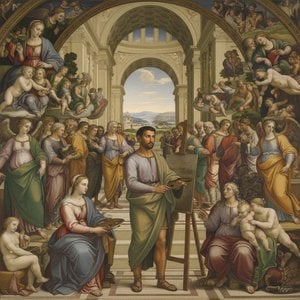
Elevate your home with the sublime harmony of Raphael’s masterpieces. Explore iconic High Renaissance works, from St. George to The School of Athens, and discover how premium, hand-painted reproductions can transform your space into a sanctuary of classical elegance and timeless beauty.
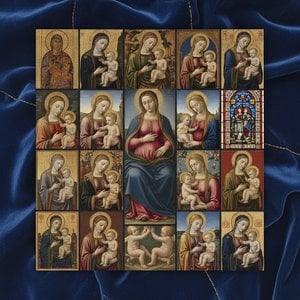
Embark on a sophisticated journey through art history with our curated guide to the most iconic Madonna and Child masterpieces. Discover the profound beauty, theological depth, and enduring legacy of these sacred Renaissance treasures.


 实景预览
实景预览
 发送
发送 分享
分享
 详情
详情 指南
指南

 下载图片
下载图片
 相似作品
相似作品 X射线
X射线 幻灯片播放
幻灯片播放 统计数据
统计数据

 阅读全文
阅读全文









 玻璃选项仅适用于110厘米以下的尺寸。


![梵蒂冈宫:希利奥多从圣殿被驱逐(细节)[02]](/media/artworks/images-thumb/3a/23/3a2308b63b60b5cb105575e135028d92.jpg)


