
博物馆级艺术微喷或帆布版画,制作高效,并提供多种饰面选择。 ( 购买手绘画作 切换至数字图像销售渠道)





























从与原作比例一致的预设尺寸中进行选择。

您可以输入自定义尺寸,以适配特定的画框或空间。如果您选择的尺寸与原图比例不符,我们将对作品进行裁剪,或通过镜像填充/纯色填充边缘的方式来扩展图像。在开始制作之前,我们会向您发送一份数字效果图供您确认。
请注意,屏幕上的预览并不能反映实际的裁剪或扩展效果。只有效果图才能准确展示最终的构图。
虽然我们提供定制尺寸,但为了保持原图比例,我们建议您从预设列表中选择尺寸。

Christ
复制品尺寸
To stand before this devotional portrait of Christ is to encounter a moment suspended in time—a profound intersection of divine majesty and human intimacy. Painted around 1529 by the master Quinten Matsijs, this bust-length depiction transcends mere representation; it offers a direct, soulful communion with the sacred. The overall impression is one of quiet dignity, a somber yet radiant presence that seems to gaze directly out from the panel into the modern viewer's soul. Matsijs, a key figure in the early Netherlandish tradition, imbued this work with the characteristic blend of meticulous realism and deep spiritual resonance that defined the Antwerp School.
The technical brilliance evident here is breathtaking. The artist employed oil paint on panel, allowing for subtle gradations of tone and an almost palpable sense of texture. Observe how the light seems to emanate not just from the halo, but from within the very subject himself. Matsijs masterfully handles the interplay between light and shadow; the illumination, seemingly cast from above and slightly to the left, sculpts the contours of Christ’s face, lending a three-dimensional volume that belies the flatness of the panel. The background, rendered in deep, velvety blues, serves not merely as negative space but as an abyss against which the luminous figure seems to emerge, enhancing the dramatic impact.
Every element within this composition carries symbolic weight. The radiant golden halo is more than ornamentation; it is a visual declaration of divinity, composed of radiating lines that suggest an unending source of holiness. The color palette itself speaks volumes: the rich, deep blue undergarment contrasts beautifully with the authoritative sweep of the red cloak, colors traditionally associated with royalty and sacrifice within Christian iconography. Furthermore, Christ’s direct gaze engages us in a silent dialogue, inviting contemplation on themes of piety, redemption, and eternal truth.
Rooted in the early 16th century Antwerp art scene, this piece reflects the period's deep commitment to religious devotion. While Matsijs was known for blending sacred narratives with subtle moral undertones, here he focuses intensely on the devotional portraiture that characterized the era. For the contemporary collector or designer, owning a reproduction of this work is acquiring more than just artwork; it is acquiring a focal point of contemplation. It possesses an inherent gravitas, capable of transforming any space—be it a private chapel, a study, or a grand hall—into a sanctuary of quiet reflection.


1466 - 1530 , Belgium

Explore the dramatic evolution of Northern Mannerism. Discover how masters like Bosch and Grünewald transitioned from Renaissance harmony to profound, elegant distortion through an expert analysis of symbolism, emotional intensity, and artistic innovation.
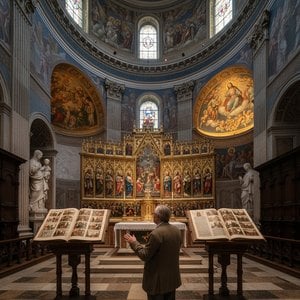
Explore the profound beauty of iconic religious artworks. From Renaissance masterpieces to sacred iconography, our expert guide delves into the spiritual power, symbolism, and enduring legacy of history's most divine paintings for the true art enthusiast.

Embark on a profound journey through the history of Catholic art. Explore the dramatic beauty of Baroque masterpieces, sacred iconography, and timeless religious sculptures curated for the true art enthusiast and collector.
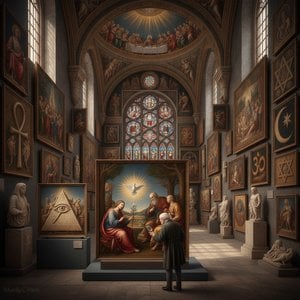
Explore the profound power of religious symbolism in art history. From Renaissance masterpieces to sacred iconography, uncover the hidden meanings behind divine details in a deep dive into classical art excellence.
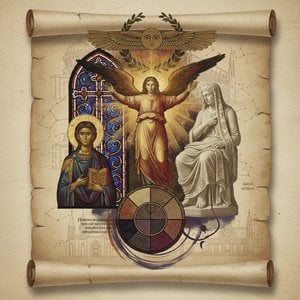
Explore the profound impact of spiritual themes in fine art. From Renaissance iconography to Baroque drama, discover how sacred symbolism and divine visions have shaped art history through a scholarly and reflective lens.


 效果预览
效果预览
 分享
分享 分享
分享
 详情
详情

 下载
下载
 相似作品
相似作品 X射线
X射线 幻灯片播放
幻灯片播放 统计数据
统计数据


 展开详情
展开详情









 玻璃选项仅适用于110厘米以下的尺寸。


