
博物馆级艺术微喷或帆布版画,制作高效,并提供多种饰面选择。 ( 购买手绘画作 切换至数字图像销售渠道)





























从与原作比例一致的预设尺寸中进行选择。

您可以输入自定义尺寸,以适配特定的画框或空间。如果您选择的尺寸与原图比例不符,我们将对作品进行裁剪,或通过镜像填充/纯色填充边缘的方式来扩展图像。在开始制作之前,我们会向您发送一份数字效果图供您确认。
请注意,屏幕上的预览并不能反映实际的裁剪或扩展效果。只有效果图才能准确展示最终的构图。
虽然我们提供定制尺寸,但为了保持原图比例,我们建议您从预设列表中选择尺寸。

Ecce Homo (detail)
复制品尺寸
The image before you is not merely a depiction of Christ; it’s an invitation into the heart of human reaction, a meticulously rendered tableau of judgment and sorrow. This detail from Quentin Massys' "Ecce Homo," painted in 1526, captures a pivotal moment – the presentation of Jesus to a hostile crowd, a scene brimming with psychological depth and unsettling realism. Massys, a key figure in establishing the Antwerp School’s distinctive style, masterfully utilizes oil paint on panel to achieve an astonishing level of detail, imbuing each face with a palpable sense of emotion.
Massys' approach diverges significantly from earlier depictions of this biblical episode. Instead of presenting a serene, sacrificial figure, he confronts the viewer with the raw, unfiltered responses of those present. The composition is dominated by a chaotic throng, their faces a study in varying degrees of scorn, mockery, and bewildered apathy. Notice how Massys doesn’t shy away from portraying the ugliness of human behavior – the leering expressions, the grasping hands, the blatant disregard for the man before them. This wasn't simply an attempt to illustrate a religious narrative; it was a profound exploration of humanity’s capacity for both cruelty and indifference.
The technical brilliance of “Ecce Homo (detail)” is immediately apparent. Massys demonstrates an extraordinary understanding of human anatomy, meticulously rendering the musculature, wrinkles, and expressions on each face. The figures are not idealized; they possess a tangible physicality, reflecting the artist’s interest in capturing the nuances of individual character. Crucially, Massys employs dramatic chiaroscuro – the skillful use of light and shadow – to heighten the emotional impact. Strong contrasts between illuminated faces and shadowed masses draw the eye to key elements within the composition, creating a sense of theatrical intensity.
The lighting itself seems to amplify the scene’s unsettling atmosphere. The figures closest to Christ are bathed in a harsh, almost unforgiving light, while those further back remain shrouded in darkness. This technique emphasizes Christ's vulnerability and isolation, highlighting his position as the object of public scorn. Massys’ use of color is equally deliberate; muted earth tones dominate the scene, punctuated by the vibrant red of the robe worn by Christ – a stark contrast that draws attention to his suffering.
Beyond its technical mastery, “Ecce Homo (detail)” is rich in symbolic meaning. The figures surrounding Jesus represent not just individual reactions but also broader themes of judgment, betrayal, and the consequences of indifference. The man pointing at Christ with a furious expression embodies the mob’s collective outrage, while the figure pulling Christ's beard symbolizes the act of defiance and mockery. Even seemingly minor details – such as the turban worn by one of the onlookers – carry symbolic weight, hinting at the exotic and unsettling nature of the scene.
The inclusion of figures like the “old fool” with glazed eyes speaks to a deeper commentary on humanity’s capacity for blindness and apathy. Massys isn't simply depicting a historical event; he is offering a timeless meditation on human nature, prompting viewers to confront their own roles in perpetuating cycles of judgment and cruelty. The painting serves as a potent reminder that even the most seemingly insignificant actions can contribute to a climate of disrespect and indifference.
“Ecce Homo (detail)” by Quentin Massys remains a profoundly moving work of art, captivating viewers with its raw emotional intensity and technical brilliance. It’s more than just a religious painting; it's a powerful exploration of human psychology, social dynamics, and the enduring consequences of judgment. Reproductions of this masterpiece offer an opportunity to bring this hauntingly beautiful image into your home or office, serving as a constant reminder of the complexities of human nature and the importance of empathy and compassion. Consider how its dramatic lighting and carefully rendered faces can transform any space, adding depth and intrigue to your surroundings.

在十六世纪低地国家那片充满活力且蓬勃发展的土地上,很少有名字能像昆廷·马赛斯这样具有如此深远的奠基意义。作为安特卫普画派公认的先驱,马赛斯是一位连接了早期尼德兰传统中那种细致入微、虔诚的精神追求,与北欧文艺复兴时期新兴人文主义精神的画家。他于1466年左右出生于比利时的鲁汶,其早年生活至今仍如同一幅由传说与历史碎片交织而成的挂毯。在艺术史的传闻中,在他拿起画笔之前,曾接受过铁匠的训练——这一细节为他后来对纹理与材质那令人惊叹的掌控力,增添了一种深沉且富有触感的厚重感。这种金属加工的背景,或许在他心中植入了一种对物质世界的独特敬畏,使他能够以无与伦避的精准度,去描绘丝绸的光泽、钱币的冷冽寒光,以及人类皮肤那饱经风霜的质感。
大约在1490年,随着他从鲁汶学术气息浓厚的氛围转向安特卫普这个繁忙的商业枢纽,马赛斯开始将自己独特的丝线编织进佛兰德艺术的宏大织锦中。他的早期训练——可能是在迪尔克·鲍茨的指导下完成的——使他承袭了汉斯·孟林和罗吉尔·范德韦登等大师的艺术血脉。从这些前辈那里,他继承了对逼真性的执着追求,即在表现中探寻真理。然而,马赛斯绝非仅仅是一位模仿者。在保留其先辈们标志性的精妙细节的同时,他在作品中注入了一种全新的、蓬勃向上的生命力,并展现出一种勇于探索人类境遇复杂性的胆识,这种探索既体现在宗教的庄严之中,也体现在辛辣的社会评论里。
马赛斯的卓越之处在于他能够游刃有余地穿梭于两个看似截然不同的世界:神圣与世俗。一方面,他的宗教构图是关于信仰的深刻冥想。在诸如《受难像中的基督与捐赠者》等作品中,他捕捉到了十字架刑罚那原始而沉重的情感张力,利用盛期文艺复锐的审美感,呈现出一个既动人心魄又技术无瑕的场景。他通过人类苦难的视角来描绘神性的能力,使他的宗教题材产生了一种直抵灵魂的亲密感,让观者能够真切地感受到精神世界的存在。
另一方面,马赛斯也是讽刺艺术流派的大师,他用画笔作为一面镜子,映射出那个时代不断变迁的社会道德。他拥有一双洞察人性弱点的锐利眼睛,经常创作出将现实主义与微妙、嘲弄的机智融合在一起的场景。这种双重性在他处理肖像画和风俗画时表现得最为明显:他可以从《圣母与圣婴》那宁静的美感,瞬间切换到对当代生活那种更为复杂、充满道德层面的刻画。他的作品经常探讨贪婪、虚荣以及物质财富与精神纯洁之间的张力,这使他成为了后来几个世纪中那些伟大的风俗画家们的先驱。
昆廷·马赛斯的历史地位不言而喻;他是安特卫普艺术革命的催化剂。通过在植根于故土丰富传统的同时引入新的母题与技法,他为整个十六世纪统治佛兰德地区的画派提供了蓝图。他的影响力可以追溯到整个北欧艺术的演进过程,因为他为一种更加富有表现力、注重观察的风格铺平了道路,这种风格拥抱了现代化世界日益增长的复杂性。
时至今日,我们铭记马赛斯不仅是因为他是一位技艺精湛的匠人,更是因为他是一位捕捉了一个时代灵魂的叙事者。他的艺术遗产被保存在其影像那持久的力量之中:

1466 - 1530 , 比利时
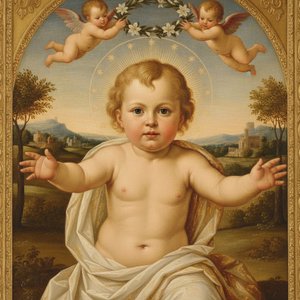
Explore the profound beauty of Baby Jesus in fine art history. From Raphael's Renaissance masterpieces to symbolic light, discover how classical painters captured divine innocence through masterful technique and sacred iconography.


 效果预览
效果预览
 分享
分享 分享
分享
 详情
详情

 下载
下载
 相似作品
相似作品 X射线
X射线 幻灯片播放
幻灯片播放 统计数据
统计数据


 展开详情
展开详情









 玻璃选项仅适用于110厘米以下的尺寸。


