
 OilWallArtNeo-Classical
 1778Early Modern
 78.0 x 106.0 cm
 Lithuanian Art Centre TARTLE
博物馆级艺术微喷或帆布版画,制作高效,并提供多种饰面选择。 ( 购买手绘画作 切换至数字图像销售渠道)





























从与原作比例一致的预设尺寸中进行选择。

您可以输入自定义尺寸,以适配特定的画框或空间。如果您选择的尺寸与原图比例不符,我们将对作品进行裁剪,或通过镜像填充/纯色填充边缘的方式来扩展图像。在开始制作之前,我们会向您发送一份数字效果图供您确认。
请注意,屏幕上的预览并不能反映实际的裁剪或扩展效果。只有效果图才能准确展示最终的构图。
虽然我们提供定制尺寸,但为了保持原图比例,我们建议您从预设列表中选择尺寸。

Esther before Ahasuerus
复制品尺寸
In the grand tapestry of Neo-Classical history painting, few moments capture the tension between vulnerability and sovereignty as poignantly as Pranciškus Smuglevičius’s Esther before Ahasuerus. Painted in 1778, this masterpiece transports the viewer into the heart of a biblical drama where destiny hangs by a single thread. The canvas centers on the breathtaking figure of Esther, whose presence commands the frame not merely through her regal attire, but through the profound emotional complexity etched upon her face. As she stands before the formidable King Ahasuerus, there is a palpable sense of disbelief and trepidation—a silent prayer captured in pigment. Smuglevičius masterfully utilizes the light to illuminate Esther’s beauty, turning her physical grace into a symbol of the spiritual fortitude required to intercede for her people.
The composition is a sophisticated study in depth and narrative layering. While Esther remains the luminous focal point, the artist subtly populates the periphery with secondary figures who serve as silent witnesses to this high-stakes encounter. These observers, rendered with careful attention to detail, add a layer of courtly intrigue and social context, suggesting the watchful eyes of an empire. The interplay between the central subjects and the background figures creates a theatrical atmosphere, reminiscent of a stage set where every glance and gesture carries the weight of historical consequence. For the discerning collector, this painting offers more than just a depiction of a scene; it offers a window into the psychological landscape of courage.
Smuglevičius, a scholar of the Roman school and a protégé of the great masters, brings a refined technical precision to this work that defines the late 18th-century aesthetic. His training under Anton von Maron is evident in the meticulous handling of textures—the heavy, regal weight of the crown, the delicate sheen of royal fabrics, and the soft, lifelike rendering of skin tones. The artist employs a palette that balances the warmth of human emotion with the cool, structured dignity of the Neo-Classical style. Every brushstroke serves to reinforce the clarity of the narrative, ensuring that the viewer is not lost in ornamentation but remains anchored to the dramatic tension of the subject matter.
For interior designers and curators of fine art reproductions, this piece represents a pinnacle of classical sophistication. The artwork possesses a timeless quality that allows it to anchor a room with authority and grace. Whether placed in a formal study, a grand hallway, or a curated gallery space, Esther before Ahasuerus acts as a conversation piece that invites contemplation on themes of justice, bravery, and the human condition. It is an exquisite choice for those seeking to infuse their environments with the intellectual depth and aesthetic splendor of the Enlightenment era.


1745 - 1807 , 波兰

Explore the raw energy of Jean-Michel Basquiat and Neo-Expressionism. Discover how urban rebellion redefined modern art through a lens of luxury, identity, and profound emotional intensity for the discerning collector.

Explore the profound evolution of Neo-Abstract art. Discover how bold geometric forms, vibrant chromatic depth, and tactile textures redefine modern expression for the discerning collector seeking sophisticated, high-impact masterpieces for contemporary interiors.

Discover the profound beauty of Academic Classicism. Explore the principles of order, anatomical precision, and the enduring legacy of Neoclassical masters through this expert guide to timeless elegance and technical perfection in fine art.
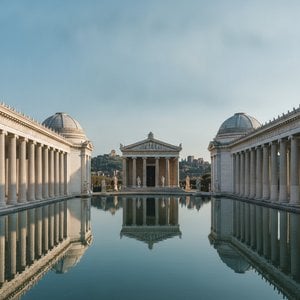
Discover the profound elegance of Neoclassicism. Explore how the pursuit of order, symmetry, and Greco-Roman ideals created a timeless aesthetic for collectors seeking grandeur and intellectual depth in fine art and architecture.


 效果预览
效果预览
 分享
分享 分享
分享
 详情
详情

 下载
下载
 相似作品
相似作品 X射线
X射线 幻灯片播放
幻灯片播放 统计数据
统计数据 展开详情
展开详情









 玻璃选项仅适用于110厘米以下的尺寸。


