
x


 Oil On CanvasWallArtBaroque
 1752
1752 59.0 x 48.0 cm
 Gallerie dell'Accademia




























从与原作比例一致的预设尺寸中进行选择。

您可以输入自定义尺寸,以适配特定的画框或空间。如果您选择的尺寸与原图比例不符,我们将对作品进行裁剪,或通过镜像填充/纯色填充边缘的方式来扩展图像。在开始制作之前,我们会向您发送一份数字效果图供您确认。
请注意,屏幕上的预览并不能反映实际的裁剪或扩展效果。只有效果图才能准确展示最终的构图。
虽然我们提供定制尺寸,但为了保持原图比例,我们建议您从预设列表中选择尺寸。

The Apothecary
复制品尺寸
Pietro Longhi's "The Apothecary," painted in 1752, is more than just a depiction of a bustling commercial space; it’s a meticulously crafted window into the vibrant and often contradictory world of 18th-century Venice. Longhi, a master of capturing the everyday dramas unfolding within bourgeois homes, eschewed the grand historical narratives favored by his contemporaries, instead focusing on the intimate details of Venetian life – a deliberate choice that cemented his reputation as the “Venetian Hogarth.” This painting immediately draws the viewer into a scene brimming with quiet observation and subtle social commentary, utilizing a shallow depth of field to prioritize interaction and narrative over strict realism. The warm palette—rich browns, ochres, and deep reds—creates an atmosphere both inviting and slightly cluttered, reflecting the practical yet aesthetically-minded environment of an apothecary.
The composition is remarkably complex, skillfully arranged to guide the eye through a series of interconnected actions. A central figure, a man diligently applying something to a woman’s face – a gesture both intimate and slightly unsettling – dominates the scene, immediately establishing a core narrative thread. An older gentleman observes with a mixture of curiosity and concern, while a nun stands nearby, seemingly offering assistance or perhaps simply observing the unfolding drama. Longhi's mastery lies in his ability to render textures with remarkable detail; the rough surfaces of wooden shelves laden with jars and bottles contrast sharply with the smooth fabrics of the clothing worn by the figures. The use of linear perspective, characteristic of Baroque painting, subtly flattens the space, prioritizing clarity and narrative flow over strict adherence to three-dimensional accuracy. The brushwork is generally smooth and blended, indicative of an oil paint technique—a medium that allowed for nuanced color gradations and a rich, tactile quality.
Beyond its immediate depiction of apothecary life, “The Apothecary” is laden with symbolic meaning. The shelves overflowing with jars and bottles represent not just medicinal ingredients but also knowledge, alchemy, and perhaps even a veiled commentary on the pursuit of wealth and power within Venetian society. The presence of the nun adds another layer of complexity, suggesting themes of faith, charity, or even illicit affairs – common motifs in Longhi’s work. The man administering the treatment is often interpreted as representing a physician, while the woman receiving it embodies vulnerability and perhaps a degree of passive acceptance. Notably, many of the figures are partially obscured, their faces often hidden behind masks—a recurring device in Longhi's oeuvre that invites speculation about identity, disguise, and the performative nature of social interactions. The scene subtly critiques the superficiality and intrigue prevalent within the Venetian elite.
Painted in 1752, “The Apothecary” reflects a pivotal moment in Venetian history – a period of relative stability following the turmoil of the preceding decades. Venice was transitioning from its maritime dominance to a more inward-looking society, increasingly focused on domestic life and the pleasures of the wealthy elite. Longhi’s choice to depict this everyday scene—a private moment within a professional setting—underscores this shift in focus. His work stands as a valuable historical document, offering insights into the social customs, fashion trends, and prevailing attitudes of 18th-century Venice. The painting aligns with the Rococo style, characterized by its emphasis on elegance, intimacy, and playful subject matter, yet it retains Longhi’s distinctive wit and observational acuity.
Reproductions of “The Apothecary” offer an exceptional opportunity to bring this captivating scene into any interior space. The painting's rich detail and evocative atmosphere create a focal point that sparks conversation and adds a touch of historical charm. Considered alongside the work of Pietro Longhi, it exemplifies his unique ability to capture the nuances of Venetian life with both artistic skill and social awareness. Investing in a high-quality reproduction allows you to appreciate the enduring appeal of this masterful painting—a testament to Longhi’s legacy as one of Venice's most perceptive and engaging chroniclers of daily life.


1701 - 1785 , 意大利

Explore the captivating world of Pietro Longhi's Venetian scenes! Discover insightful analysis of his Rococo masterpieces & social commentary on 18th-century life. Learn about this 'Venetian Hogarth' and his lasting artistic legacy.

探索巴洛克艺术的辉煌与奢华!WahooArt提供精湛的手工油画复制、定制服务和专业艺术咨询,助您将经典作品融入当代室内设计,提升家居品味。投资艺术,传承价值。

深入探索巴洛克艺术的辉煌历史、独特风格与持久影响。了解卡拉瓦乔、贝尼尼等大师的作品,洞悉反宗教改革运动下的艺术变革。WahooArt.com为您提供专业的艺术解读与高清画作欣赏。
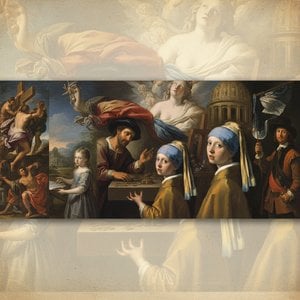
探索巴洛克艺术的辉煌!本文精选十部巨作,带您领略卡拉瓦乔、伦勃朗等大师的光影魔法与戏剧张力。从黄金时代到宗教绘画,感受奢华与精致。WahooArt.com为您提供博物馆品质的艺术复制品和家居装饰灵感。尽在WahooArt.com!

探索丁托列托25幅杰作:深入了解这位威尼斯光影大师的艺术传奇!从宗教绘画到神话故事,感受文艺复兴与巴洛克风格的完美融合。WahooArt.com提供高清艺术复制品和家居装饰灵感,点亮您的生活空间。立即探索完整系列!


第一时间获取最新的艺术新闻、独家优惠及装饰灵感。
向我们介绍您的项目需求,我们的艺术专家将为您提供 3 个个性化的艺术品推荐。
由我们的专家为您精选 3 款心仪之作 —— 完全免费!


 效果预览
效果预览
 购买手绘画作
 分享
分享 分享
分享
 详情
详情

 下载
下载
 相似作品
相似作品 X射线
X射线 幻灯片播放
幻灯片播放 展开详情
展开详情









 玻璃选项仅适用于110厘米以下的尺寸。


