
 OilWallArtBaroque
 Early Modern
 126.0 x 103.0 cm
 大都会艺术博物馆
由我们的艺术家按需定制,为您提供您所选尺寸及画框的布面手工油画。 ( 切换至版画销售渠道 切换至数字图像销售渠道)





























从与原作比例一致的预设尺寸中进行选择。

您可以输入自定义尺寸,以适配特定的画框或空间。如果所选尺寸与原图比例不符,我们将通过裁剪作品或添加手绘元素来扩展画面。数字样稿将在制作开始前发送给您确认。
请注意,屏幕预览无法准确反映实际的裁剪或扩展效果,只有样稿才能真实呈现最终的构图。
虽然我们提供定制尺寸服务,但为了保留原作比例,建议您从预设列表中选择尺寸。

Untitled (D2WVMK)
复制品尺寸
In the grand tapestry of the English Baroque period, few works capture the intersection of political stability and aristocratic poise as effectively as Pieter van der Faes’ “Sir Henry Capel.” Painted circa 1643, this masterpiece serves as more than a mere likeness; it is a meticulously crafted tableau that encapsulates the ideals of intellectual refinement and social standing. The portrait presents Sir Henry Capel, a prominent diplomat and landowner, rendered with a startling realism that commands the viewer's attention. Set against a backdrop of deep, dramatic drapery, the composition utilizes the classic Baroque technique of chiaroscuro to sculpt the subject’s form, creating a profound sense of three-dimensionality and presence.
The painting is a masterclass in visual storytelling, where every element serves a symbolic purpose. To Capel's right, a classical bust of Lady Elizabeth Stuart, daughter of James II, rests as an ornamental yet deeply significant element. Her upward gaze directs the eye toward the heavens, subtly infusing the scene with themes of piety and noble lineage. This deliberate positioning creates a dialogue between the earthly authority of the statesman and the spiritual grace of the aristocracy. The contrast between the dark, heavy textures of the background and the luminous details of Capel’s attire—specifically the crisp white lace collar and the rich, crimson velvet of his coat—creates a visual rhythm that is both opulent and profoundly dignified.
The technical prowess displayed in this work reveals the artist's deep roots in the prestigious Haarlem school. Having studied under Pieter de Grebber, Van der Faes (often known as Sir Peter Lely) brought the meticulous precision of Flemish painting to the English court. His brushwork is a testament to this heritage; while the strokes are seamlessly blended to create smooth transitions of light, they remain visible enough to impart a tactile quality to the canvas. One can almost feel the weight of the velvet and the delicate, airy texture of the lace, achieved through a masterful manipulation of light and shadow.
This level of detail does more than showcase skill; it serves to elevate the subject. The way light catches the folds of Capel's sleeve or illuminates the subtle musculature of his features conveys an aura of unshakeable authority. For the discerning collector or interior designer, such a piece offers a profound sense of depth and historical weight. It is an artwork that does not merely occupy space on a wall but transforms it, providing a focal point of sophisticated drama that resonates with the grandeur of 17th-century European history.
To understand the emotional impact of “Sir Henry Capel,” one must consider the turbulent era in which it was birthed. Created during the Interregnum following the execution of Charles I, the painting emerged at a time when the very legitimacy of the Stuart monarchy was under siege. In this context, portraits like this were far more than vanity projects; they were powerful political instruments designed to project continuity, stability, and the enduring strength of the landed elite. The relaxed yet dignified pose of Capel, holding a small book or pamphlet, suggests a man of both action and intellect, a pillar of society amidst a sea of political upheaval.
For those seeking to incorporate a sense of timeless elegance into a curated space, this reproduction offers an unparalleled opportunity. It brings with it the spirit of the Restoration and the sophisticated aesthetic of the English court. Whether placed in a formal study, a grand library, or a contemporary living space, the painting acts as a bridge to the past, inviting contemplation on the themes of power, legacy, and the enduring beauty of the human spirit captured in the golden age of Baroque portraiture.


1618 - 1680 , 德国

Explore the dramatic brilliance of the Flemish Baroque movement. Discover how masters like Peter Paul Rubens utilized chiaroscuro and dynamic composition to redefine art history through light, shadow, and unparalleled emotion.
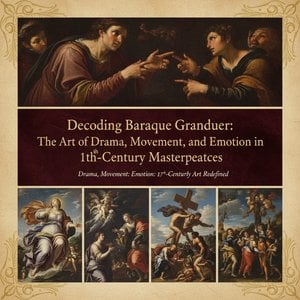
Explore the dramatic intensity of 17th-century Baroque art. From chiaroscuro to emotional narratives, discover how the era's grandeur continues to inspire elite collectors and sophisticated interiors through museum-quality oil reproductions.


 效果预览
效果预览
 分享
分享 分享
分享
 详情
详情 指南
指南

 下载
下载
 相似作品
相似作品 X射线
X射线 幻灯片播放
幻灯片播放 统计数据
统计数据 展开详情
展开详情









 玻璃选项仅适用于110厘米以下的尺寸。


