
博物馆级艺术微喷或帆布版画,制作高效,并提供多种饰面选择。 ( 订购此收藏品的纯手工复刻画作 切换至数字图像销售渠道)





























您可以从与原作比例一致的预设尺寸中进行选择。

您可以输入自定义尺寸,以适配特定的画框或空间。如果您选择的尺寸与原图比例不符,我们将对作品进行裁剪,或通过镜像填充/纯色填充边缘的方式来扩展图像。在开始制作之前,我们会向您发送一份数字效果图供您确认。
请注意,屏幕上的预览并不能反映实际的裁剪或扩展效果。只有效果图才能准确展示最终的构图。
虽然我们提供定制尺寸,但为了保持原图比例,我们建议您从预设列表中选择尺寸。

Proverbs
复刻品尺寸说明
Pieter Bruegel the Elder’s “The Peasant Wedding,” painted around 1567-1568, is a monumental canvas offering an unparalleled glimpse into 16th-century rural life in the Netherlands. More than just a depiction of a festive occasion, it's a complex social commentary and a masterful display of Bruegel’s observational skills and narrative prowess.
The painting portrays a boisterous wedding feast taking place within a rustic farmhouse. The scene is teeming with activity: guests are seated at long tables laden with food, musicians play lively tunes, and various individuals engage in conversations or amusements. Bruegel’s composition is remarkably intricate, filled with numerous figures and details that create a sense of bustling realism. The central focus is on the newly married couple, seated prominently at the head table, though their expressions are somewhat enigmatic. The overall impression is one of joyous celebration tempered by an underlying sense of social complexity.
Bruegel’s style in “The Peasant Wedding” exemplifies his unique blend of Renaissance realism and Northern European detail. He employs a meticulous technique, rendering each figure and object with remarkable precision. His use of color is earthy and muted, reflecting the rustic setting and the clothing of the peasants. The painting's scale (approximately 117 cm x 162 cm) contributes to its immersive quality, drawing the viewer into the heart of the scene. Bruegel’s mastery lies in his ability to capture not just the physical appearance of his subjects but also their individual personalities and social roles.
Beyond its surface-level depiction of a wedding feast, “The Peasant Wedding” is rich in symbolism. Bruegel subtly critiques aspects of peasant society, highlighting both its joys and its flaws. The abundance of food suggests prosperity, but also potential gluttony. Certain figures appear to be engaged in questionable activities, hinting at moral ambiguities within the community. Historically, the painting reflects a period of social change in the Netherlands, as rural populations gained increasing economic importance. Bruegel’s work provides valuable insights into the lives and customs of ordinary people during this transformative era.
“The Peasant Wedding” evokes a complex range of emotions in the viewer. It's simultaneously joyous, humorous, and thought-provoking. The painting’s enduring appeal lies in its ability to connect with audiences across centuries, offering a timeless portrait of human nature. Bruegel’s masterpiece remains one of the most celebrated works of Northern Renaissance art, influencing generations of artists and continuing to inspire awe and admiration.

1525 - 1569 , 比利时
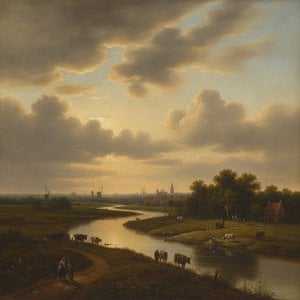
Discover the breathtaking beauty of Dutch Golden Age landscapes. Explore the mastery of light, chiaroscuro, and 17th-century realism through an expert art history lens, celebrating the enduring legacy of the Dutch Masters for discerning collectors and art lovers.

Explore the life & art of Pieter Bruegel the Elder, a pivotal figure of the Renaissance. Discover his groundbreaking genre scenes, symbolic landscapes, and lasting influence on art history. Learn more at WahooArt.

Embark on a cultural journey through the Dutch Golden Age. Explore the masterful interplay of light and shadow in 17th-century masterpieces, from Rembrandt to Vermeer, and discover how this era of profound realism continues to inspire fine art collectors today.
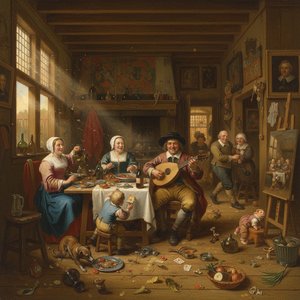
Explore the life & art of Jan Steen, a leading Dutch Golden Age painter renowned for his humorous genre scenes & insightful social commentary. Discover his techniques, legacy, and collecting tips.

Explore the captivating world of Pieter de Hooch, a master of Dutch Golden Age painting. Discover his innovative use of light, intimate domestic scenes, and lasting influence on art history. Learn more at WahooArt.


 实景预览
实景预览
 发送
发送 分享
分享
 详情
详情 指南
指南

 下载图片
下载图片
 相似作品
相似作品 X射线
X射线 幻灯片播放
幻灯片播放 统计数据
统计数据

 阅读全文
阅读全文









 玻璃选项仅适用于110厘米以下的尺寸。


