
博物馆级艺术微喷或帆布版画,制作高效,并提供多种饰面选择。 ( 订购此收藏品的纯手工复刻画作 切换至数字图像销售渠道)





























您可以从与原作比例一致的预设尺寸中进行选择。

请输入您所需的宽度和高度,以适配您的画框或墙面。由于印刷品只能进行裁剪,无法超出原图尺寸,因此若比例不一致,画面的一部分将会被裁切。在正式印刷之前,我们会为您发送一份数字效果图供您确认。本页面显示的图片并非最终裁剪后的效果——只有效果图才能展示真实的裁剪情况。
Silver Tree
复刻品尺寸说明
Piet Mondrian's 1912 painting, “Silver Tree,” presents a deceptively simple yet profoundly complex meditation on form, space, and the very nature of reality. This stark black-and-white composition immediately draws the viewer into its core: a solitary tree rendered with an almost unsettling clarity. The image isn’t a depiction of a natural scene in the traditional sense; rather, it's a carefully constructed abstraction, a distillation of essential elements stripped down to their most fundamental geometric components. The absence of leaves amplifies this effect, transforming the tree into a skeletal structure – a visual representation of underlying order and perhaps even spiritual essence.
Understanding “Silver Tree” requires acknowledging Mondrian’s artistic trajectory leading up to this pivotal work. Born in 1872, his early paintings, such as *The Red Mill*, demonstrate a rigorous training in traditional landscape painting, influenced by the Hague School and Dutch Impressionism. However, even within these representational works, a subtle tension existed – a desire to move beyond mere imitation and capture something more profound. His experimentation with Pointillism and Fauvism, styles that prioritized color and expressive brushwork, reveals this ongoing search. These early explorations ultimately paved the way for his later embrace of Neo-Plasticism, a movement he would spearhead alongside Theo van Doesburg. “Silver Tree” can be seen as an embryonic stage of this revolutionary approach – a preliminary investigation into reducing visual experience to its most essential elements.
Mondrian’s technique in "Silver Tree" is characterized by precise lines and controlled application of paint. The stark black and white palette intensifies the geometric qualities of the tree, emphasizing its linear structure. The composition itself is remarkably balanced, with the central trunk acting as a vertical anchor and the radiating branches creating a dynamic yet contained visual field. This deliberate arrangement isn’t accidental; it reflects Mondrian's belief in the underlying mathematical harmony of the universe – a principle he sought to translate into his art. The lack of shading or texture further contributes to the painting’s austerity, reinforcing its focus on pure form and structure.
While seemingly objective, “Silver Tree” is laden with symbolic weight. The tree itself has long been a potent symbol in Western art, representing life, growth, and connection to the earth. However, Mondrian’s abstraction transforms this traditional symbolism, suggesting a more spiritual or metaphysical interpretation. The ‘silver’ hue – though rendered in monochrome – evokes connotations of purity, spirituality, and the divine. The painting's emotional impact is one of quiet contemplation and perhaps even a sense of melancholy. It invites viewers to consider the relationship between the visible world and the unseen realms of thought and feeling. This piece resonates with a deep yearning for order and harmony, reflecting Mondrian’s lifelong pursuit of universal principles through his art.
若要预览 蒙德里安 的《Silver Tree》 复制品的详情,请打开该作品的 预览 页面。
蒙德里安 的《Silver Tree》 的色彩呈现出 Balanced Soft 的饱和度。饱和度描述了色彩的鲜艳或柔和程度。
关于 蒙德里安 的《Silver Tree》 的统计数据可在该作品的 统计数据 页面查看:包括作品的每月访问量、艺术家作品的访问量,以及近期访客的国家和语言分布情况。

1872 - 1944 , 荷兰

Explore 10 iconic paintings dominated by black tones, from Rembrandt’s chiaroscuro to Goya's dark expressions. Discover the stories behind these masterpieces & find museum-quality art reproductions for your home at .

探索几何抽象艺术的十大杰作!康定斯基、蒙德里安等大师作品,色彩构成与非具象之美。WahooArt.com提供博物馆级艺术复制品,为您的家居带来现代艺术灵感。立即在线探索完整系列!

Journey through Wassily Kandinsky's 25 most iconic abstract paintings. Explore his revolutionary use of color, form & spiritual expressionism. Find museum-quality Kandinsky reproductions and elevate your home decor with WahooArt.com. Discover all masterpieces on WahooArt.com!

探索卡济米尔·马列维奇25幅至上主义杰作!深入了解抽象艺术的起源、黑色正方形背后的故事,以及如何用现代艺术提升您的家居装饰。WahooArt.com提供博物馆级艺术复制品,点亮您的空间。立即在线探索完整系列!
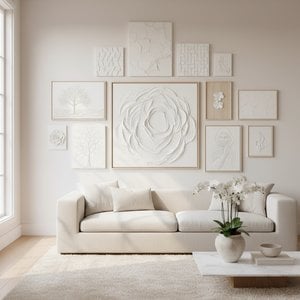
Explore 10 iconic white paintings by Monet, Whistler & Rothko! Discover the stories behind these serene masterpieces and their impact on art history. Find museum-quality reproductions for your home decor at .


 实景预览
实景预览
 发送
发送 分享
分享
 详情
详情 指南
指南

 下载图片
下载图片
 相似作品
相似作品 X射线
X射线 幻灯片播放
幻灯片播放 统计数据
统计数据

 阅读全文
阅读全文









 玻璃选项仅适用于110厘米以下的尺寸。


