
 EnamelDecorRenaissance Mannerism
 1550Early Modern
 40.0 x 40.0 cm
 卢浮宫
卢浮宫购买高分辨率增强版数字图像,其品质远超在线预览。
每一份文件都由我们的内部专家使用先进工具与专业的后期润色技术精心打造。我们确保每一张图像都具备卓越的清晰度、精准的色彩还原度以及细腻的细节表现。
最终文件将在 72 小时内通过电子邮件交付,并针对专业、编辑及印刷用途进行了优化。其品质与顶级设计工作室、出版社和画廊所信赖的标准完全一致。
选择 WahooArt.com,您获得的不仅仅是一张图像——您收到的是经过专业级增强、精雕细琢的数字艺术作品,并享有满意保证。以下是您的订单中自动包含的所有内容:

您的高分辨率数字图像文件将在下单后 72 小时内通过电子邮件发送给您 —— 即可立即使用。

您的艺术品经过专业优化,结合先进的 AI 技术与人工修饰,确保呈现极致的细节、清晰度与色彩准确度。

不小心删除了文件或找不到了?没关系——我们将随时为您免费重发。

即刻拥有您的艺术作品,无需支付任何关税、税费或运费——数字下载始终免税。

我们通过专业工具与色彩管理技术,确保您的数字图像尽可能真实地还原原作色彩。

如果您对所购数字图像不满意,我们将在100天内为您进行修改或提供100%的全额退款——无需任何理由。

不满意?在收到数字文件后的100天内,您可以申请全额退款——无需任何理由。

购买 3 张图片可享 10% 折扣 - 购买 5 张可享 15% 折扣 - 购买 10+ 张可享 20% 折扣。非常适合创意项目、画廊和机构使用。
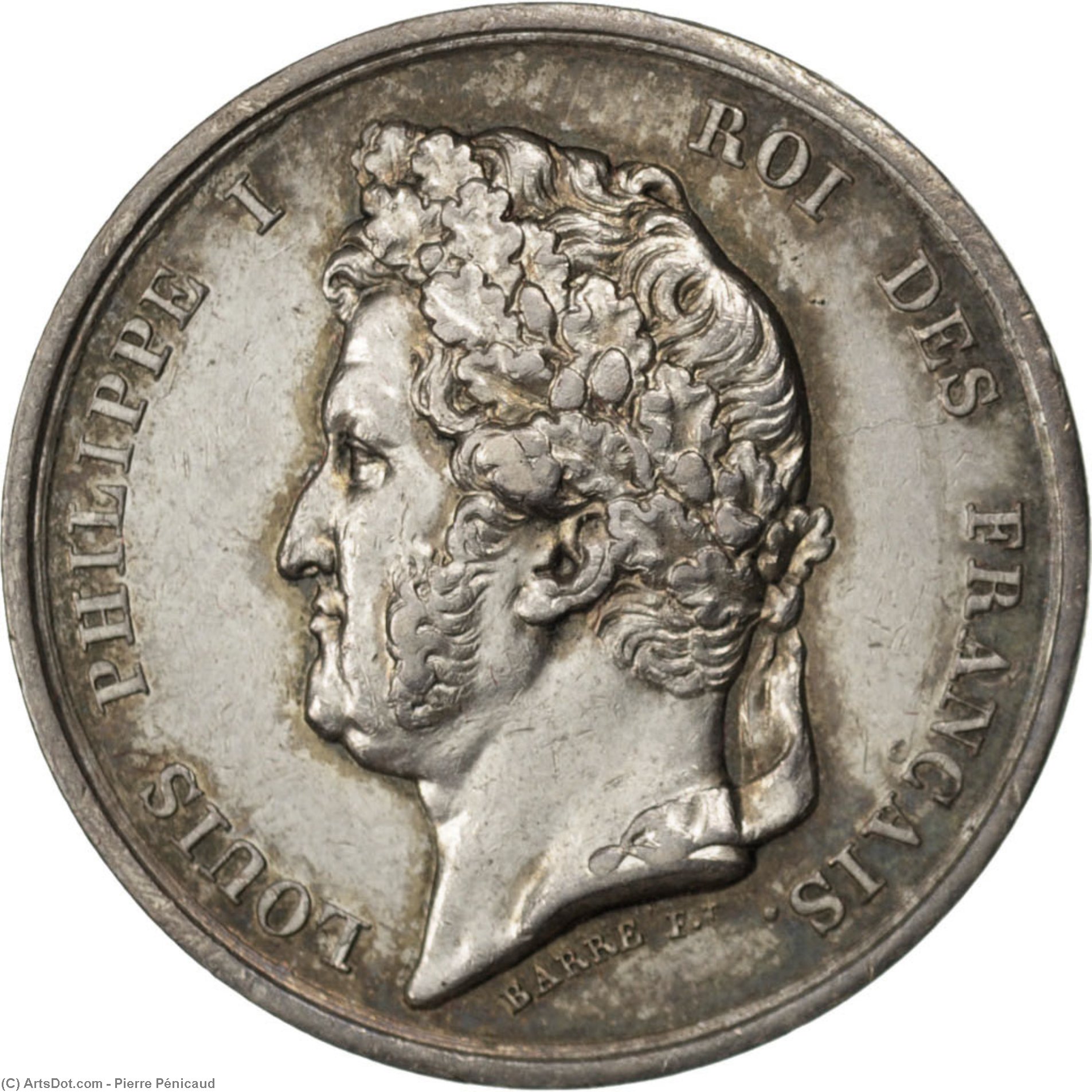
Behold this captivating round medallion, a miniature stage upon which history’s raw energy is captured. At first glance, one is struck by the sheer dynamism emanating from the metalwork. It is not merely a depiction of battle; it is an immersion into the very heart of human conflict—a swirling vortex of desperate action and martial fervor. The composition is densely populated, featuring at least thirteen distinct figures locked in visceral combat. Swords are drawn, bodies contort with effort, and every visible expression speaks volumes of adrenaline and survival. This piece transcends simple portraiture; it is a narrative frozen in time, allowing the viewer to feel the clang of steel and the desperate cries echoing across an unseen battlefield.
The artistry behind this dramatic scene points directly to the unparalleled skill of Pierre Penicaud. Working around the year 1550, Penicaud was a master craftsman hailing from Limoges, a city whose very name became synonymous with exquisite enamel work. His technique, rooted in generations of family tradition, allowed him to achieve a level of detail and luminosity rarely matched. The medium itself—the enamel set into metal, likely gold or bronze—demands an almost alchemical touch. Penicaud’s ability to render such complex human interaction within the confines of a circular medallion speaks to both his technical prowess and his deep understanding of pictorial narrative.
The period in which this piece was created, the mid-sixteenth century, was an era of profound upheaval across Europe. Such depictions of combat often served multiple purposes: they could commemorate military victories, serve as moral allegories for civic virtue, or simply reflect the pervasive cultural fascination with martial prowess. The symbolism here is rich; the clash of swords represents not just physical fighting, but perhaps the eternal struggle between order and chaos, civilization and savagery. To own such a piece is to possess a tangible link to the historical anxieties and grand narratives of Renaissance life.
For the discerning collector or designer, this medallion offers an unparalleled focal point. Its intense drama provides an immediate gravitational pull within any room. Imagine it mounted against a muted wall, allowing the vibrant enamel colors and the kinetic energy of the figures to take center stage. While its subject matter is violent, its execution—the meticulous craftsmanship and the historical weight imbued by Penicaud’s hand—lends it an air of sophisticated antiquity. It serves as a powerful conversation starter, inviting closer inspection and deeper contemplation of art history and human nature.

In the heart of sixteenth-century France, within the storied city of Limoges, a name emerged that would represent both the pinnacle and the twilight of a magnificent artistic lineage. Pierre Penicaud, born around 1515, was not merely an artist but a custodian of a precious family legacy. As a member of the illustrious Pénicaud dynasty, his life was inextricably linked to the exquisite craft of enamel production, a tradition that had been meticulously refined by his ancestors for generations. To understand Pierre is to understand the weight of history he carried upon his shoulders; he stood as the final prominent figure in a family tree that began with the foundational work of Nardon Pénicaud, who had once blended Gothic sensibilities with the burgeoning motifs of the Renaissance.
The air of Limoges during Penicaud’s era was thick with the scent of minerals and the heat of kilns, a period when the city became synonymous with unparalleled enamel mastery. While his predecessors, such as Jean I Penicaud, had introduced daring innovations like transparent colors on copper—drawing inspiration from the profound prints of Albrecht Dürer—Pierre focused his devotion on the more disciplined and monochromatic elegance of grisaille. His work was a testament to the endurance of technique, a bridge between the medieval traditions of his forebears and the sophisticated Mannerist aesthetics that were beginning to sweep across the European continent.
The true soul of Pierre Penicaud’s artistry lies in his command over the grisaille technique. Unlike the vibrant, polychrome works of earlier generations, Pierre’s repertoire was defined by a deliberate restraint, often working exclusively within a palette of black or blue backgrounds to create striking, sculptural effects. This method required an almost alchemical precision; the artist had to manipulate layers of opaque white enamel to simulate depth, texture, and the play of light upon form. Through this monochromatic lens, he achieved a remarkable level of realism, capturing the subtle contours of the human figure with a clarity that felt both ancient and strikingly modern.
His compositions often transcended simple decoration, evolving into complex narratives that captured the tumultuous spirit of his age. One might gaze upon his round medallions and find oneself thrust into a swirling vortex of conflict. In these miniature stages, Penicaud rendered battle scenes with such visceral energy that the viewer can almost hear the clash of steel and feel the adrenaline of combat. These works were not merely depictions of violence but were deeply layered with symbolism, serving as moral allegories for civic virtue or commemorations of military triumph. Every contorted limb and drawn sword within his medallions speaks to a profound understanding of pictorial narrative, where the stillness of enamel meets the frantic motion of history.
Though some scholars suggest that Pierre may not have reached the same heights of fame as his more experimental predecessors, his historical significance remains undeniable. He was the guardian of a standard, ensuring that the technical brilliance of Limoges survived through a period of profound European upheaval. His ability to marry the meticulous detail of Mannerism—characterized by its stylized figures and dramatic compositions—with the rigorous demands of enamel painting allowed him to leave an indelible mark on the decorative arts of France.
The significance of his life's work can be summarized through several enduring contributions:
Ultimately, Pierre Penicaud remains a singular figure—a master craftsman whose hands worked in the service of both family honor and artistic evolution. His legacy is found not just in the surviving pieces of gold and bronze, but in the very breath of the Limoges tradition that he so faithfully upheld until the close of his life in 1590.

1515 - 1590 , France

 切换至版画销售渠道
 分享
分享 分享
分享
 详情
详情 指南
指南

 下载
下载
 相似作品
相似作品 幻灯片播放
幻灯片播放 统计数据
统计数据 展开详情
展开详情


