
博物馆级艺术微喷或帆布版画,制作高效,并提供多种饰面选择。 ( 购买手绘画作 切换至数字图像销售渠道)





























从与原作比例一致的预设尺寸中进行选择。

您可以输入自定义尺寸,以适配特定的画框或空间。如果您选择的尺寸与原图比例不符,我们将对作品进行裁剪,或通过镜像填充/纯色填充边缘的方式来扩展图像。在开始制作之前,我们会向您发送一份数字效果图供您确认。
请注意,屏幕上的预览并不能反映实际的裁剪或扩展效果。只有效果图才能准确展示最终的构图。
虽然我们提供定制尺寸,但为了保持原图比例,我们建议您从预设列表中选择尺寸。

George Weimer
复制品尺寸
The image before you isn’t merely a depiction of a man; it’s a window into the heart of 19th-century France, a poignant study in melancholy and quiet dignity. This captivating portrait of Marguerite-Josephine Weimer, known as Mademoiselle George, is a masterful work by Pierre-Jean David d'Angers, executed around 1833, and now meticulously reproduced for discerning collectors and admirers of Romantic art. David’s skill lies not just in capturing likeness, but in imbuing his subject with an almost palpable sense of introspection – a quiet sorrow that resonates deeply even across the centuries.
The composition itself is deceptively simple. A close-up view focuses on Weimer's face, rendered with exquisite detail. The bronze coin serves as a compelling backdrop, its smooth surface and intricate design offering a subtle contrast to the softness of her features. Her gaze, directed downward, speaks volumes – it’s not a look of defiance or anger, but rather one of quiet resignation, perhaps reflecting the challenges faced by a woman navigating the demanding world of Parisian theatre in an era where female performers often struggled for recognition and respect. The pearl necklace, a symbol of elegance and status, hints at her past successes, while the hat adds a touch of formality, suggesting a life lived within the constraints of societal expectations.
Pierre-Jean David d'Angers (1788-1856) was a pivotal figure in French art during a period of dramatic social and political change. Born in Angers, he initially trained as a woodcarver before being drawn to the burgeoning world of sculpture. His early apprenticeship with Jacques-Louis David, the celebrated neoclassical painter, provided him with a rigorous foundation in artistic technique and a deep understanding of classical ideals. However, David d’Angers quickly developed his own distinctive style, embracing the emotional intensity and dramatic narratives characteristic of the Romantic movement. His work frequently explored themes of heroism, tragedy, and the human condition – subjects that mirrored the turbulent times he inhabited.
The portrait itself was created during a period of intense artistic experimentation and social upheaval. The Napoleonic era had left France profoundly changed, and artists were grappling with questions of identity, national pride, and the role of art in shaping public opinion. David d’Angers's decision to adopt the name “David d’Angers” – a deliberate homage to his master while asserting his own artistic lineage – reflects this complex interplay between tradition and innovation.
Beyond its technical brilliance, the portrait is rich in symbolic meaning. The downward gaze of Weimer suggests introspection and perhaps a sense of isolation—a common theme within Romantic art. The coin, with its intricate details, could represent fleeting beauty or the ephemeral nature of fame. It’s a subtle reminder that even the most celebrated figures are ultimately subject to time and decay. The choice of bronze as the medium further enhances this sense of permanence and timelessness – a material chosen for its durability and ability to capture both form and texture with remarkable fidelity.
The portrait's emotional impact is undeniable. It’s not a celebratory depiction of beauty, but rather a poignant exploration of human vulnerability. Weimer’s expression invites the viewer to contemplate her story – her struggles, her triumphs, and ultimately, her enduring legacy as a captivating performer in a world that often failed to recognize her worth.
This meticulously crafted reproduction captures not only the visual details of David d’Angers's original masterpiece but also its profound emotional resonance. Whether adorning a grand salon or a more intimate space, this artwork offers a captivating glimpse into the heart of Romanticism – a testament to the enduring power of art to illuminate the human experience. The quality of the reproduction ensures that every nuance of the original is faithfully preserved, allowing you to appreciate the artist’s skill and the subject's story with unparalleled clarity.
Consider this piece as more than just decoration; it’s an investment in a timeless work of art—a conversation starter, a source of inspiration, and a beautiful addition to any collection.


1788 - 1856 , 法国
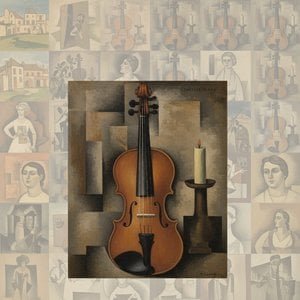
探索乔治·布拉克25幅大师杰作,领略立体主义的魅力与现代艺术的精髓。从早期作品到经典油画,WahooArt为您呈现法式优雅与家居装饰灵感。高清艺术复制品,点亮您的空间!立即在WahooArt.com发现更多。
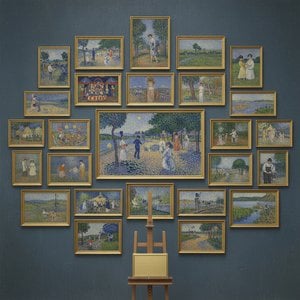
探索乔治·修拉25幅传世杰作!深入了解点彩画法、后印象派的艺术魅力,感受光与色彩的奇妙。WahooArt.com提供高品质修拉作品复制品,为您的家居空间增添经典艺术气息。立即在线探索完整系列!

Explore the captivating world of Gerard David, a pivotal figure bridging late medieval artistry with the Early Renaissance. Discover his innovative techniques, religious masterpieces, and enduring legacy – a must-read for discerning art collectors.

探索巴黎奥赛博物馆25幅杰作!深入了解莫奈、梵高、德加等大师的经典作品,感受印象派与后印象派的艺术魅力。WahooArt提供精美油画复制品,为您的家居增添永恒之美。立即在线发现更多名画!

Explore the life & art of Jacques-Louis David, leading Neoclassical painter of the French Revolution. Discover iconic works like 'The Death of Marat' and his lasting impact on art history. Expert analysis & high-quality reproductions at WahooArt.


 效果预览
效果预览
 分享
分享 分享
分享
 详情
详情

 下载
下载
 相似作品
相似作品 X射线
X射线 幻灯片播放
幻灯片播放 统计数据
统计数据


 展开详情
展开详情









 玻璃选项仅适用于110厘米以下的尺寸。


