博物馆级艺术微喷或帆布版画,制作高效,并提供多种饰面选择。 ( 购买手绘画作 切换至数字图像销售渠道)
从与原作比例一致的预设尺寸中进行选择。

您可以输入自定义尺寸,以适配特定的画框或空间。如果您选择的尺寸与原图比例不符,我们将对作品进行裁剪,或通过镜像填充/纯色填充边缘的方式来扩展图像。在开始制作之前,我们会向您发送一份数字效果图供您确认。
请注意,屏幕上的预览并不能反映实际的裁剪或扩展效果。只有效果图才能准确展示最终的构图。
虽然我们提供定制尺寸,但为了保持原图比例,我们建议您从预设列表中选择尺寸。

Charles Lenormant
复制品尺寸
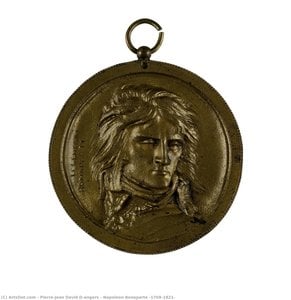
The bronze medallion depicting Charles Lenormant offers more than just a likeness; it’s a window into the burgeoning field of archaeology in 19th-century France. Crafted by the esteemed sculptor Pierre-Jean David d’Angers, this remarkable piece captures not merely a man's features but also his intellectual fervor and dedication to uncovering the secrets of the past. Lenormant, a pivotal figure in French archaeology, was an inspector of fine arts who dedicated himself to exploring Egypt and Greece, contributing significantly to our understanding of ancient civilizations. The medallion serves as a tangible reminder of his pioneering work, embodying the spirit of scientific inquiry that defined the era.
David d’Angers's style is firmly rooted in the neoclassical tradition, evident in the meticulously rendered profile of Lenormant. The work showcases a remarkable attention to detail – from the subtle lines etched into his face to the texture of his hair, each element speaks to the sculptor’s mastery. The bronze itself—a material prized for its durability and ability to capture fine details—is skillfully manipulated to create a sense of depth and realism. Notice how the artist employs *chiaroscuro*, using light and shadow to sculpt volume and define form, lending a dramatic quality to the portrait. The casting process, likely utilizing the lost-wax method, would have involved creating a wax model, then investing it in plaster before melting down the wax to create the final bronze form. This technique ensures a remarkable level of precision and surface finish.
Beyond its aesthetic qualities, the medallion is rich with symbolic meaning. Lenormant’s pose—a thoughtful gaze directed towards the viewer—suggests a man deeply engaged in contemplation and intellectual pursuit. The inclusion of the scroll or document (though details are difficult to discern without higher resolution) hints at his scholarly work and dedication to historical research. The period itself, the early 19th century, was one of immense change and discovery, fueled by the Enlightenment’s emphasis on reason and scientific inquiry. Archaeology was gaining prominence as a legitimate field of study, driven by figures like Champollion and inspired by Napoleon's campaigns in Egypt. This medallion stands as a testament to that intellectual excitement and the growing interest in understanding our shared human past.
Looking at this portrait, one is struck not only by its technical brilliance but also by the sense of quiet determination it conveys. Lenormant’s face—lined with experience and imbued with a thoughtful expression—suggests a man who has dedicated his life to unraveling the mysteries of antiquity. The bronze itself, with its patina of age and wear, adds to this feeling of historical weight and enduring legacy. It's a portrait that invites us to reflect on the importance of intellectual curiosity, perseverance, and the pursuit of knowledge—qualities that continue to resonate today. The piece evokes a sense of reverence for scholarship and the individuals who have shaped our understanding of history.


1788 - 1856 , 法国

Discover the enduring allure of bronze sculpture. From the intricate lost-wax process to Neoclassical masterpieces, our expert guide offers connoisseurs deep insights into evaluating patina, historical significance, and integrating metal fine art into sophisticated collections.

Discover the enduring allure of bronze sculptures at WahooArt.com. From classical lost-wax casting to modern metal masterpieces, explore museum-quality artworks designed to elevate luxury interiors. Expert curation, authenticity guaranteed, and worldwide shipping for discerning collectors.

Discover the enduring elegance of bronze sculpture. From ancient Roman strength to Art Deco sophistication, explore our expert guide on collecting, casting techniques, and integrating timeless metal masterpieces into your fine art collection.


 分享
分享 分享
分享
 详情
详情 指南
指南

 下载
下载
 相似作品
相似作品 幻灯片播放
幻灯片播放 统计数据
统计数据


 展开详情
展开详情






































 玻璃选项仅适用于110厘米以下的尺寸。