
博物馆级艺术微喷或帆布版画,制作高效,并提供多种饰面选择。 ( 购买手绘画作 Switch to Digital Image)





























从与原作比例一致的预设尺寸中进行选择。

您可以输入自定义尺寸,以适配特定的画框或空间。如果您选择的尺寸与原图比例不符,我们将对作品进行裁剪,或通过镜像填充/纯色填充边缘的方式来扩展图像。在开始制作之前,我们会向您发送一份数字效果图供您确认。
请注意,屏幕上的预览并不能反映实际的裁剪或扩展效果。只有效果图才能准确展示最终的构图。
虽然我们提供定制尺寸,但为了保持原图比例,我们建议您从预设列表中选择尺寸。

The Swing 1
复制品尺寸
Pierre-Auguste Renoir’s “The Swing”, completed in 1876, stands as one of Impressionism's most beloved canvases—a deceptively simple depiction brimming with nuanced observation and emotional resonance. Painted during the height of Parisian artistic fervor, it captures a fleeting tableau of aristocratic leisure, skillfully rendered through Renoir’s signature technique of dappled brushstrokes that prioritize capturing the ephemeral effects of light on surfaces. The scene invites the viewer into a lush, sun-drenched garden where time seems to pause, allowing us to witness a private moment of joy and subtle flirtation. It is not merely a painting of a landscape or a group of people, but a symphony of sensation that celebrates the vitality of life itself.
Renoir's method was far from striving for photographic realism; instead, he sought to convey the very essence of being present in that specific, golden moment. His technique involved applying paint in loose, broken touches—often layering colors directly onto wet canvas—allowing them to blend optically in the eye of the observer as they dried. This brilliant approach reproduces the shimmering sunlight filtering through the foliage overhead, illuminating the soft textures of fabric and skin with a luminous haze. By studying the works of masters like Claude Monet and Eugène Boudin, Renoir mastered the art of plein air painting, ensuring that the atmosphere of the garden feels as breathable and vibrant as the real world.
The composition of “The Swing” is a masterclass in capturing spontaneous movement. At the heart of the frame, a young woman—often identified as Jeanne Samary—is elegantly seated on a swing, her figure caught in a state of graceful motion. As she swings forward, there is a subtle, charming tension in her expression; she gazes away with a hint of embarrassment or perhaps playful coyness, a gesture that speaks volumes about the social conventions and romantic undertones of the era. Beside her, a young man engages in animated conversation, his presence adding to the dynamic interplay of figures within the frame.
This sense of motion is balanced by the quiet presence of others, such as a little girl leaning against a tree trunk, which adds layers of depth and narrative complexity to the scene. Renoir’s compositional choices emphasize spontaneity, mirroring the carefree spirit of a summer afternoon in Montmartre. For the collector or interior designer, this piece offers more than just visual beauty; it provides a focal point of energy and life. The way the light dances across the lush green grass and the soft pinks of the attire creates a serene yet stimulating atmosphere that can transform any space into a sanctuary of classical elegance.
Beyond its surface beauty, “The Swing” embodies a deeper exploration of human emotion and the fleeting nature of happiness. The swing itself serves as a powerful symbol of freedom and the rhythmic, unpredictable nature of life. Renoir captures a world where the boundaries between nature and humanity blur, as the dappled light merges the figures with the surrounding flora. This seamless integration of subject and setting is what makes his work so enduringly impactful; it evokes a sense of nostalgia for a period of effortless grace and unhurried leisure.
For those seeking to adorn their homes with high-quality reproductions, this masterpiece offers an unparalleled opportunity to bring the warmth of the French Impressionist movement into a modern setting. The painting’s rich textures and vibrant palette serve as an inspiration, evoking feelings of peace, romance, and vitality. Whether placed in a sunlit living room or a sophisticated study, Renoir’s “The Swing” remains a timeless testament to the beauty found in life's most transient and delightful moments.

1841 - 1919 , 法国
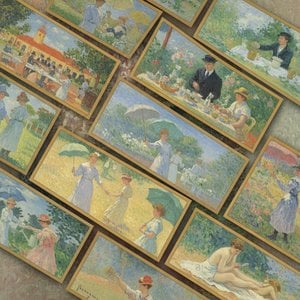
探索雷诺阿25幅经典之作,感受印象派大师的光影魅力与色彩诗意。从《舞会》到《煎饼磨坊》,WahooArt为您呈现艺术背后的故事与技巧。高品质艺术复制品,点亮您的家居空间!立即在WahooArt.com探索完整系列。

探索印象派绘画的十个巅峰之作!莫奈、雷诺阿等大师名画,揭秘艺术史经典与光影魅力。WahooArt.com为您呈现高清艺术复制品和精选家居装饰方案,点亮您的生活空间。立即发现所有杰作!

Journey into the heart of Impressionism! Explore 10 masterpieces by Monet, Renoir & Degas that revolutionized landscape art. Discover their stories, techniques & find museum-quality reproductions to elevate your home decor on WahooArt.com.

Explore the captivating world of Pierre-Auguste Renoir! Discover his life, iconic Impressionist masterpieces & enduring legacy with our expert guide. High-quality reproductions available.

探索保罗·塞尚25幅经典杰作!深入了解后印象派大师的艺术生涯、独特技法与色彩运用。WahooArt提供高清油画复制品,为您的家居带来博物馆级艺术体验。立即发现更多名画,点亮生活空间!


 效果预览
效果预览
 分享
分享 分享
分享
 详情
详情

 下载
下载
 相似作品
相似作品 X射线
X射线 幻灯片播放
幻灯片播放 Stats
Stats

 展开详情
展开详情









 玻璃选项仅适用于110厘米以下的尺寸。


