
博物馆级艺术微喷或帆布版画,制作高效,并提供多种饰面选择。 ( 购买手绘画作 切换至数字图像销售渠道)





























从与原作比例一致的预设尺寸中进行选择。

您可以输入自定义尺寸,以适配特定的画框或空间。如果您选择的尺寸与原图比例不符,我们将对作品进行裁剪,或通过镜像填充/纯色填充边缘的方式来扩展图像。在开始制作之前,我们会向您发送一份数字效果图供您确认。
请注意,屏幕上的预览并不能反映实际的裁剪或扩展效果。只有效果图才能准确展示最终的构图。
虽然我们提供定制尺寸,但为了保持原图比例,我们建议您从预设列表中选择尺寸。

Landscape (13)
复制品尺寸
Pierre-Auguste Renoir's "Landscape (13)" offers a glimpse into the heart of Impressionism, capturing not just a scene but an atmosphere—a feeling of serene contentment nestled within the French countryside. This painting, though its precise dating remains elusive, embodies the core tenets of Renoir’s artistic philosophy: a celebration of light, color, and the fleeting beauty of everyday life. The composition immediately draws the eye to a gently rolling landscape dominated by trees with an unusual, almost ethereal blue foliage – a detail that hints at a deliberate departure from strict realism and leans heavily into the artist's subjective experience of the scene.
The painting’s strength lies in its masterful use of light. Renoir, deeply influenced by his studies of the Old Masters, particularly the way they captured atmospheric effects, employs broken brushstrokes to create a shimmering quality across the canvas. The dappled sunlight filtering through the trees casts dancing shadows on the grassy areas and the dirt road, suggesting movement and vitality. Notice how he doesn’t attempt to render every leaf or blade of grass with photographic precision; instead, he focuses on conveying the *impression* of these elements – their color, texture, and relationship to light.
A striking element within the composition is the presence of a horse grazing near the center. This isn’t merely a decorative addition; it serves as a powerful symbol of movement and connection within the stillness of the landscape. Horses were frequently depicted in Renoir's work, often representing freedom, vitality, and the pleasures of rural life. The horse’s posture – relaxed yet alert – invites the viewer to imagine themselves part of this idyllic scene, suggesting a harmonious relationship between humanity and nature.
Furthermore, the dirt road itself acts as a visual pathway, drawing the eye into the distance and creating a sense of depth. It subtly implies travel, exploration, and the possibility of encountering new experiences – mirroring the journey of Renoir’s own artistic development from porcelain painting to his celebrated role in Impressionism.
Renoir's technique is quintessential Impressionism: loose, visible brushstrokes applied with a focus on capturing the immediate sensation of light and color. He utilizes a vibrant yet harmonious palette dominated by greens, blues, and browns – colors that evoke the natural world without resorting to rigid representation. The subtle shifts in hue and tone create a sense of atmospheric perspective, making the distant trees appear softer and more muted than those closer to the foreground.
"Landscape (13)" was created during a pivotal period in Renoir's career, as Impressionism gained momentum and established itself as a dominant artistic movement. Following his early apprenticeship, Renoir embraced the freedom of Impressionism, rejecting academic conventions in favor of capturing subjective experiences and fleeting moments. This painting reflects his growing confidence and willingness to experiment with new techniques and approaches.
Renoir’s work profoundly influenced generations of artists, and “Landscape (13)” stands as a testament to his enduring legacy. It's a beautiful example of how he translated the beauty of the natural world onto canvas, inviting viewers to share in his appreciation for light, color, and the simple pleasures of life. A reproduction of this piece offers an accessible way to bring this serene vision into any home or office, capturing the essence of Renoir’s artistic genius.

1841 - 1919 , 法国

探索康斯塔布尔的25幅传世杰作!沉浸于英国田园风光,感受浪漫主义绘画大师的光影与色彩。高清油画复制、艺术品购买尽在WahooArt.com,为您的家居增添经典之美。立即在线探索完整系列!

Immerse yourself in the captivating world of slate blue! Explore 10 iconic paintings by Monet, Van Gogh & Renoir. Discover their stories, techniques & find museum-quality art reproductions for your home at .

探索保罗·塞尚25幅经典杰作!深入了解后印象派大师的艺术生涯、独特技法与色彩运用。WahooArt提供高清油画复制品,为您的家居带来博物馆级艺术体验。立即发现更多名画,点亮生活空间!
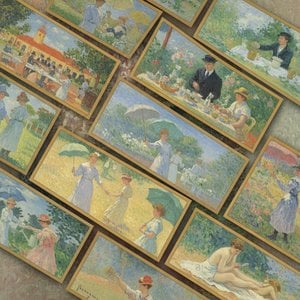
探索雷诺阿25幅经典之作,感受印象派大师的光影魅力与色彩诗意。从《舞会》到《煎饼磨坊》,WahooArt为您呈现艺术背后的故事与技巧。高品质艺术复制品,点亮您的家居空间!立即在WahooArt.com探索完整系列。

Journey into the heart of Impressionism! Explore 10 masterpieces by Monet, Renoir & Degas that revolutionized landscape art. Discover their stories, techniques & find museum-quality reproductions to elevate your home decor on WahooArt.com.


 效果预览
效果预览
 分享
分享 分享
分享
 详情
详情

 下载
下载
 相似作品
相似作品 X射线
X射线 幻灯片播放
幻灯片播放 统计数据
统计数据
 展开详情
展开详情









 玻璃选项仅适用于110厘米以下的尺寸。


