
 Oil On CanvasWallArtBaroque
 1662Early Modern
 165.0 x 229.0 cm
 卢浮宫
卢浮宫博物馆级艺术微喷或帆布版画,制作高效,并提供多种饰面选择。 ( 订购此收藏品的纯手工复刻画作 切换至数字图像销售渠道)
您可以从与原作比例一致的预设尺寸中进行选择。

请输入您所需的宽度和高度,以适配您的画框或墙面。由于印刷品只能进行裁剪,无法超出原图尺寸,因此若比例不一致,画面的一部分将会被裁切。在正式印刷之前,我们会为您发送一份数字效果图供您确认。本页面显示的图片并非最终裁剪后的效果——只有效果图才能展示真实的裁剪情况。
Ex Voto
复刻品尺寸说明
In the hallowed halls of the Musée du Louvre, there exists a window into the profound spiritual intimacy of the seventeenth century. Philippe De Champaigne’s Ex Voto, painted in 1662, is not merely an oil on canvas; it is a silent prayer rendered in pigment. The masterpiece captures a moment of quietude, featuring two religious figures—likely nuns—suspended in a state of deep contemplation. One figure stands with hands clasped in fervent prayer, while the other sits in reflective repose, their presence anchored by the heavy, dignified folds of their dark robes. Through the masterful application of chiaroscuro, De Champaigne breathes life into the stillness, using the interplay of light and shadow to sculpt the figures from the darkness, creating a sense of depth that draws the viewer into their private, holy communion.
The technical brilliance of this work lies in its ability to marry the realism of the Baroque period with an ethereal, almost otherworldly serenity. De Champaigne, a master who studied under the great Nicolas Poussin, utilizes a controlled palette and precise draftsmanship to render the textures of cloth and the subtle modeling of skin. The lighting is soft yet purposeful, casting gentle shadows that emphasize the solemnity of the scene. This technique, reminiscent of the dramatic Tenebrism found in the works of Caravaggio, serves to heighten the emotional weight of the composition. For the collector or interior designer, this painting offers a profound sense of gravity and peace, making it an ideal centerpiece for spaces designed for reflection, study, or sophisticated classical elegance.
Beyond its aesthetic splendor, Ex Voto is steeped in the religious symbolism of the French Baroque era. The very title suggests a "votive" offering—an object left in a sacred place as a gesture of gratitude or a plea for divine intervention. This connection to faith and healing is explicitly whispered through the Latin inscriptions at the base of the work, where terms such as "Christus" and "Medicina" appear. These words transform the painting from a mere portrait into a functional piece of spiritual devotion, linking the earthly suffering of humanity to the divine healing power of Christ. The visible crosses on the figures' garments further solidify their identity as vessels of faith, acting as anchors for the viewer’s own meditative journey.
The composition is intentionally uncluttered, stripping away the distractions of the material world to focus entirely on the internal landscape of the soul. This minimalist approach to the background—hinting at architectural details of a convent or chapel without overwhelming the subjects—allows the emotional intensity of the figures to resonate more powerfully. For those seeking to bring the essence of history into a modern home, a high-quality reproduction of this piece provides more than just decoration; it introduces an atmosphere of timelessness and spiritual depth. It is an invitation to pause, to breathe, and to find beauty in the quiet, enduring strength of devotion.
菲利普·德·尚潘 (Fēilìpǔ·Dé·Shàngpān) 的《Ex Voto》 将 Earthy 色调与 Spiritual 的基调完美融合。
《Ex Voto》被归为菲利普·德·尚潘 (Fēilìpǔ·Dé·Shàngpān)的作品。
“Ex Voto”的受欢迎程度被归类为Recognized。


1602 - 1674 , 荷兰

Embark on a profound journey through art history with our exploration of spiritual artworks. Discover the deep symbolism, emotional resonance, and transcendent power found in sacred Renaissance, Baroque, and Nabis masterpieces curated for the true classical art enthusiast.

Embark on a sophisticated journey through Italian Baroque art. Discover the dramatic interplay of light and emotion in Caravaggio’s masterpieces and explore how to bring this timeless grandeur into your collection with expert art insights.
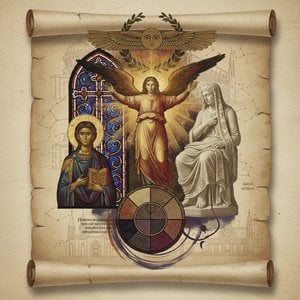
Explore the profound impact of spiritual themes in fine art. From Renaissance iconography to Baroque drama, discover how sacred symbolism and divine visions have shaped art history through a scholarly and reflective lens.


 实景预览
实景预览
 发送
发送 分享
分享
 详情
详情 指南
指南

 下载图片
下载图片
 相似作品
相似作品 X射线
X射线 幻灯片播放
幻灯片播放 统计数据
统计数据 阅读全文
阅读全文






































 玻璃选项仅适用于110厘米以下的尺寸。


