
 Oil On CanvasWallArtBaroque
 1637Early Modern
 260.0 x 178.0 cm
 国家美术馆
国家美术馆博物馆级艺术微喷或帆布版画,制作高效,并提供多种饰面选择。 ( 购买手绘画作 切换至数字图像销售渠道)





























从与原作比例一致的预设尺寸中进行选择。

您可以输入自定义尺寸,以适配特定的画框或空间。如果您选择的尺寸与原图比例不符,我们将对作品进行裁剪,或通过镜像填充/纯色填充边缘的方式来扩展图像。在开始制作之前,我们会向您发送一份数字效果图供您确认。
请注意,屏幕上的预览并不能反映实际的裁剪或扩展效果。只有效果图才能准确展示最终的构图。
虽然我们提供定制尺寸,但为了保持原图比例,我们建议您从预设列表中选择尺寸。

Cardinal Richelieu
复制品尺寸
In the grand theater of the seventeenth century, few figures commanded as much reverence and fear as Armand Jean du Plessis, the Cardinal Richelieu. When Philippe de Champaigne set brush to canvas in 1637, he was not merely recording a likeness; he was constructing an icon of absolute authority. This masterpiece stands as a quintessential triumph of the Baroque era, a period defined by its ability to overwhelm the senses and stir the soul through dramatic tension and opulent detail. As one gazes upon the portrait, the immediate impact is one of profound gravity. The subject does not merely sit for a painter; he presides over the viewer, his presence anchored by the weight of both his office and his immense political intellect.
The technical brilliance of de Champaigne is most evident in his masterful use of chiaroscuro. By orchestrating a deliberate interplay between deep, swallowing shadows and piercing highlights, the artist sculpts Richelieu’s features with a sculptural precision that feels almost tactile. The light falls strategically across the Cardinal’s face, illuminating the determination etched into his expression, while simultaneously catching the lustrous sheen of his crimson robes. This technique creates a breathtaking sense of three-dimensionality, pulling the subject forward from the dark, enigmatic backdrop of heavy drapery and distant, shadowed foliage. It is a visual language designed to evoke awe, making the figure appear to emerge from the very fabric of history itself.
Every element within this composition serves a higher narrative purpose, weaving a complex web of symbolism that would have been instantly legible to the contemporary elite. The vibrant red of the Cardinal’s vestments—the famous Éminence Rouge—is far more than a display of wealth; it is a potent signifier of his high ecclesiastical rank and the fiery political influence he wielded over France. De Champaigne renders these fabrics with such meticulous care that one can almost sense the heavy, luxurious texture of the silk and velvet, a testament to the artist's Flemish-influenced training under masters like Rubens.
Beyond the tactile splendor, the composition utilizes spatial illusions to reinforce the subject's status. The subtle glimpse of an arched doorway and verdant greenery in the background suggests a world that extends far beyond the frame, hinting at the vast reach of Richelieu’s dominion. Even the way the Cardinal holds his book—a symbol of wisdom, spiritual guidance, and the intellectual rigor required to govern a nation—adds a layer of contemplative depth to his formidable persona. For the collector or the interior designer, this painting offers more than mere decoration; it provides a focal point of intellectual and historical weight, capable of anchoring a room with its commanding, regal energy.
To possess a reproduction of this caliber is to invite the spirit of the French Baroque into one's personal sanctuary. The painting’s ability to balance intense realism with dramatic artifice makes it a versatile masterpiece, equally at home in a traditional library filled with leather-bound volumes or as a sophisticated statement piece in a modern, minimalist gallery setting. It captures a moment in time when art was the ultimate tool of statecraft and identity.
For those seeking to curate an environment of sophistication and depth, de Champaigne’s Cardinal Richelieu offers an unparalleled opportunity. It is a work that rewards repeated viewing, revealing new nuances in its shadows and textures with every encounter. Whether you are drawn to the historical drama of the Bourbon era or the technical mastery of seventeenth-century oil painting, this portrait remains a timeless testament to the enduring power of the human spirit and the transformative magic of fine art.


1602 - 1674 , 荷兰
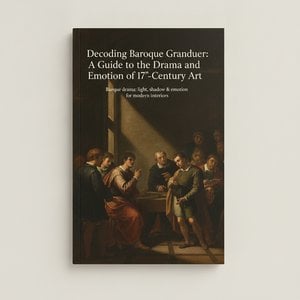
Explore the breathtaking drama of 17th-century Baroque art. Our expert guide decodes the use of chiaroscuro, emotional intensity, and historical grandeur to help you appreciate and curate timeless masterpieces for your collection.

深入探索17世纪巴洛克古典主义艺术的戏剧性与秩序之美。卡拉瓦乔、鲁本斯等大师作品解析,揭秘宗教改革下的艺术策略,并了解凡尔赛宫的辉煌历史。WahooArt.com为您提供专业的艺术鉴赏与定制服务。
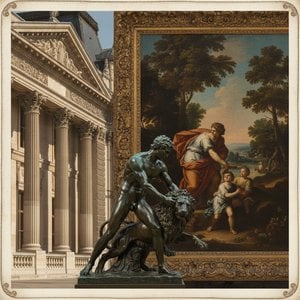
Explore the profound elegance of Baroque Classicism. Discover how 17th-century masters synthesized dramatic emotion with classical order through the lens of the Counter-Reformation and the works of legends like Carlo Maratta and Andrea Sacchi.

Discover our story! We bring world-class art into your life through expert curation, personalized creations, and free previews. Trusted by individuals and businesses since 2000.

探索戈雅大师的25幅杰作!深入了解西班牙绘画巨匠Francisco Goya的艺术世界,从洛可可到浪漫主义风格,感受黑加仑时代的情感力量。WahooArt.com提供高品质油画复制品和家居装饰灵感。立即在线发现所有名画!


 效果预览
效果预览
 分享
分享 分享
分享
 详情
详情

 下载
下载
 相似作品
相似作品 X射线
X射线 幻灯片播放
幻灯片播放 统计数据
统计数据 展开详情
展开详情









 玻璃选项仅适用于110厘米以下的尺寸。


