Oil On CanvasWallArtEarly Netherlandish Painting
 1450Renaissance
 14.0 x 19.0 cm
 施泰德美术馆
由我们的艺术家按需定制,为您提供您所选尺寸及画框的布面手工油画。 ( 切换至版画销售渠道 切换至数字图像销售渠道)





























您可以从与原作比例一致的预设尺寸中进行选择。

您可以输入自定义尺寸,以适配特定的画框或空间。如果所选尺寸与原图比例不符,我们将通过裁剪作品或添加手绘元素来扩展画面。数字样稿将在制作开始前发送给您确认。
请注意,屏幕预览无法准确反映实际的裁剪或扩展效果,只有样稿才能真实呈现最终的构图。
虽然我们提供定制尺寸服务,但为了保留原作比例,建议您从预设列表中选择尺寸。

The Falconer
复刻品尺寸说明
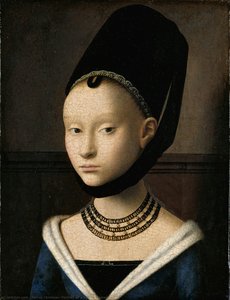
Petrus Christus's “The Falconer,” painted around 1450, is more than just a depiction of a man with a falcon; it’s a meticulously crafted window into the burgeoning artistic landscape of Bruges during the early 15th century. Measuring a modest 14 x 19 cm, this intimate painting reveals the remarkable skill and observational acuity of its creator, a young master emerging from the workshops of the era's most celebrated painters.
The subject himself – a falconer – immediately evokes associations with nobility and status. The man’s attire, a richly textured robe, speaks to his position, while the bird itself, perched confidently on his arm, is a symbol of both skill and dominion. Christus's handling of this seemingly simple scene demonstrates an extraordinary attention to detail. The falcon’s feathers are rendered with astonishing realism, capturing the texture and movement of its plumage – a hallmark of the Flemish school’s pioneering use of oil paint, allowing for nuanced shading and luminous effects that were revolutionary at the time.
Christus was a key figure in the transition from the more stylized approaches of earlier Gothic painting to the burgeoning realism championed by artists like Jan van Eyck. His use of oil paint, though still relatively new, is evident in the subtle gradations of light and shadow that define the man’s face and clothing. The artist's meticulous attention to detail – the folds of the robe, the texture of the fur hat, the precise rendering of the falcon’s eye – demonstrates a deep understanding of human anatomy and animal form. This level of realism was not merely decorative; it reflected a growing intellectual interest in observing and accurately representing the world around him.
The painting's scale further contributes to its impact. Its small size invites close scrutiny, encouraging the viewer to appreciate the artist’s painstaking work and the intricate details that he has brought to life. The composition is balanced and harmonious, drawing the eye naturally from the falconer’s face to the bird itself, creating a sense of quiet contemplation.
"The Falconer" was created in Bruges, a thriving center of commerce and art during this period. Bruges was experiencing a cultural renaissance fueled by wealthy merchants and guilds who commissioned ambitious works of art. The falcon itself held symbolic significance – representing courage, nobility, and the ability to soar above earthly concerns. Christus’s work reflects the humanist values emerging at the time, emphasizing observation, reason, and an appreciation for beauty.
Painted in 1450, this artwork represents a pivotal moment in art history, bridging the gap between medieval artistic conventions and the burgeoning ideals of the Renaissance. Its creation marks the rise of a new generation of Flemish artists who would shape the course of European painting for centuries to come.


1465 - 1476 , 比利时

Discover the distinction between WahooArt's hand-painted oil masterpieces and archival Giclée prints. An expert guide for elite collectors evaluating texture, longevity, and bespoke customization for their private art collections.

Master the nuances of Giclée printing with our expert guide. Discover how pigment-based inks and museum-grade substrates create fade-resistant, high-fidelity art reproductions designed for discerning collectors seeking unparalleled quality and longevity.
Discover the distinction between WahooArt's hand-painted oil reproductions and archival Giclée prints. An expert guide for elite collectors seeking texture, depth, and museum-quality excellence for their private collections.

Unlock your creative potential with WahooArt. Learn how to scale your art business through our automated print and premium oil reproduction services, transforming your original works into a global, passive income stream without compromising academic excellence.


 实景预览
实景预览
 发送
发送 分享
分享
 详情
详情 指南
指南

 下载图片
下载图片
 相似作品
相似作品 X射线
X射线 幻灯片播放
幻灯片播放 统计数据
统计数据 阅读全文
阅读全文









 玻璃选项仅适用于110厘米以下的尺寸。