


从与原作比例一致的预设尺寸中进行选择。

您可以输入自定义尺寸,以适配特定的画框或空间。如果您选择的尺寸与原图比例不符,我们将对作品进行裁剪,或通过镜像填充/纯色填充边缘的方式来扩展图像。在开始制作之前,我们会向您发送一份数字效果图供您确认。
请注意,屏幕上的预览并不能反映实际的裁剪或扩展效果。只有效果图才能准确展示最终的构图。
虽然我们提供定制尺寸,但为了保持原图比例,我们建议您从预设列表中选择尺寸。

Self-portrait
复制品尺寸

Born in Kells, County Meath, Ireland, in 1739, Robert Barker’s life and career were defined by a singular innovation – the panorama. While not a traditional painter in the conventional sense, Barker revolutionized the way audiences experienced art, transforming static canvases into immersive, dynamic environments. His journey from itinerant portraitist to the creator of the world's first purpose-built panorama building is a fascinating tale of entrepreneurial vision and artistic ingenuity.
Barker’s early career began with portraiture, a respectable but often precarious profession in 18th-century Britain. He honed his skills traveling throughout Ireland and England, capturing likenesses of gentry and merchants. However, it was his fascination with the burgeoning field of perspective and the growing public interest in grand views that ultimately led him to develop the panorama. Influenced by developments in theatrical stage design and the increasing popularity of “prospects” – large-scale paintings intended to mimic distant landscapes – Barker sought a way to replicate the feeling of vastness and depth within a fixed space.
In 1792, Barker took his panoramic vision to London, establishing a purpose-built building in Leicester Square – the first of its kind. This structure, designed by Robert Mitchell, housed a massive cylindrical canvas depicting scenes from London life. Visitors paid three shillings to enter and stand on a central platform beneath a skylight, experiencing a remarkably convincing illusion of being immersed within the city’s sprawling landscape. The Barker Panorama became an instant sensation, attracting crowds eager to escape the confines of their everyday lives.
The success of the Leicester Square panorama was due in part to Barker's mastery of perspective and his understanding of audience psychology. He employed a sophisticated system of forced perspective, manipulating scale and detail to create a sense of depth and distance that was unprecedented at the time. Furthermore, he carefully controlled lighting – using a skylight to ensure an even illumination across the entire panorama – which greatly enhanced the illusion of reality.
Barker’s technique went far beyond simple imitation. He didn't merely copy existing views; he actively constructed them, manipulating elements like buildings and trees to create a more dramatic and compelling composition. His use of trompe-l'oeil – creating the illusion of three-dimensionality on a two-dimensional surface – was particularly noteworthy, as evidenced by his depiction of John Keteltas’s sleeve in 1768.
Despite his initial success, Barker’s career was ultimately short-lived. He faced financial difficulties and struggled to maintain the elaborate panoramas that had made him famous. However, his invention of the panorama left an indelible mark on art history. It paved the way for subsequent panoramic productions in Europe and America, influencing artists like Franz Roubaud and shaping the development of cycloramas – moving panoramas that offered a constantly shifting perspective.
Robert Barker’s legacy extends beyond the visual arts. He demonstrated the power of illusion and the potential of art to transport audiences to distant places and times. His pioneering spirit and innovative approach continue to inspire artists and designers today, reminding us of the enduring appeal of immersive experiences.

1739 - 1793 , Sweden

Explore the social commentary & artistic representation of 18th-century society. Discover Rococo masterpieces, portraiture's power, and shifting historical perspectives. Expert insights for art lovers.

Explore the captivating world of Jean-Baptiste Pater, a master of Rococo painting. Discover his elegant *fête galante* scenes and shimmering portraits – a glimpse into 18th-century French aristocracy. Learn about his legacy & find high-quality reproductions.
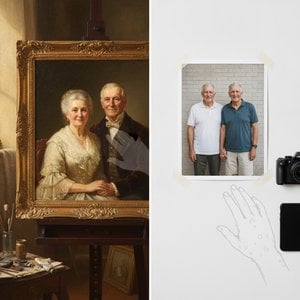
WahooArt 提供卓越的手绘油画复制和定制服务,将珍贵照片转化为世代相传的艺术品。经验丰富的艺术家重现大师技法,缔造博物馆级品质的永恒回忆。立即开启您的专属艺术之旅!

深入探索18世纪洛可可艺术的奢华与反叛。了解其风格特征、代表画家及其作品,以及对后世艺术的影响。WahooArt提供精美手绘油画复制品和专业艺术咨询服务。


第一时间获取最新的艺术新闻、独家优惠及装饰灵感。
向我们介绍您的项目需求,我们的艺术专家将为您提供 3 个个性化的艺术品推荐。
由我们的专家为您精选 3 款心仪之作 —— 完全免费!


 Preview
 定制手绘复刻品
 分享
分享 分享
分享
 详情
详情

 下载
下载
 相似作品
相似作品 X射线
X射线 幻灯片播放
幻灯片播放
 展开详情
展开详情






































 玻璃选项仅适用于110厘米以下的尺寸。


