
 Oil On BoardWallArtBaroque
 350.0 x 206.0 cm
 普拉多博物馆
博物馆级艺术微喷或帆布版画,制作高效,并提供多种饰面选择。 ( 购买手绘画作 切换至数字图像销售渠道)





























从与原作比例一致的预设尺寸中进行选择。

您可以输入自定义尺寸,以适配特定的画框或空间。如果您选择的尺寸与原图比例不符,我们将对作品进行裁剪,或通过镜像填充/纯色填充边缘的方式来扩展图像。在开始制作之前,我们会向您发送一份数字效果图供您确认。
请注意,屏幕上的预览并不能反映实际的裁剪或扩展效果。只有效果图才能准确展示最终的构图。
虽然我们提供定制尺寸,但为了保持原图比例,我们建议您从预设列表中选择尺寸。

Two Wise Men
复制品尺寸
Pedro Berruguete’s “Two Wise Men,” a monumental panel painting dating from the early 16th century, stands as a compelling testament to the evolving artistic landscape of Spain. More than simply a depiction of a biblical scene – the Adoration of the Magi – it's a carefully constructed meditation on faith, power, and the human condition, rendered with a dramatic intensity that echoes both the Gothic traditions Berruguete inherited and the burgeoning Renaissance ideals he embraced. The painting’s enduring appeal lies not just in its technical brilliance but also in its ability to evoke a profound sense of mystery and spiritual contemplation.
Born in Paredes de Nava around 1450, Berruguete emerged as a pivotal figure during a period of significant artistic transition. He skillfully blended the expressive fervor of Gothic painting – particularly its use of vibrant color and dynamic figures – with the burgeoning humanist principles and geometric precision characteristic of the Italian Renaissance. This synthesis is strikingly evident in “Two Wise Men,” where the artist masterfully employs linear perspective to create an illusion of depth, drawing the viewer into a richly detailed and emotionally charged scene. The painting’s origins are shrouded in some mystery, though it's believed Berruguete spent time studying with Justus van Gent in Urbino, Italy, absorbing the influence of Florentine masters like Botticelli and Perugino.
At first glance, the painting presents a seemingly straightforward depiction of the Magi – figures from the Bible renowned for their wisdom and devotion – approaching the infant Jesus. However, Berruguete elevates this familiar narrative through his masterful manipulation of composition and gesture. The central focus rests upon two principal male figures: one, clad in opulent robes of pale gold and adorned with a pointed hat, exudes an aura of authority and importance; the other, dressed in simpler attire, holds aloft a white cloth – a potent symbol of offering or perhaps even sacrifice. These figures are not merely static representations but rather dynamic participants in a carefully choreographed scene.
The background is dominated by an arched doorway, receding into a dark and atmospheric space populated with partially visible figures, hinting at a larger procession or gathering. This architectural element serves to heighten the sense of depth and drama, drawing the viewer’s eye towards the foreground and emphasizing the central figures. The use of chiaroscuro – the dramatic interplay of light and shadow – is particularly noteworthy, creating a powerful contrast between illuminated areas and deep shadows that sculpts the forms of the figures and imbues the scene with an almost theatrical quality. The red robes worn by some of the figures add to the sense of importance and grandeur.
“Two Wise Men” is executed in oil on panel, a technique that allowed Berruguete to achieve remarkable detail and luminosity. The artist’s meticulous brushwork reveals a deep understanding of color theory and texture – from the shimmering fabrics to the rough surfaces of the figures' clothing. The painting demonstrates a mastery of layering techniques, building up complex forms through multiple applications of paint. The use of tempera grassa, a type of oil-based paint favored by Berruguete, contributed to the richness and durability of the colors.
Furthermore, the panel itself—likely poplar wood—adds to the painting’s character, bearing the marks of time and handling. These subtle imperfections are not blemishes but rather evidence of the artwork's history and authenticity, reminding us that we are engaging with a tangible object created by a skilled artisan. The overall effect is one of both grandeur and intimacy, inviting viewers to contemplate the profound questions raised by the scene.
Beyond its technical merits, “Two Wise Men” possesses a powerful emotional resonance. The painting’s somber palette—dominated by browns, ochres, and blacks—creates an atmosphere of solemnity and contemplation. The figures' gestures – the outstretched hands, the averted gazes – convey a sense of reverence, humility, and perhaps even uncertainty. It is not merely a depiction of a biblical event but rather an exploration of faith, devotion, and the human search for meaning. The painting’s enduring appeal lies in its ability to evoke a profound sense of mystery and spiritual contemplation, inviting viewers to reflect on their own beliefs and values.


1450 - 1504 , 西班牙

探索巴洛克艺术的辉煌与奢华!WahooArt提供精湛的手工油画复制、定制服务和专业艺术咨询,助您将经典作品融入当代室内设计,提升家居品味。投资艺术,传承价值。

Explore the dramatic world of Baroque art! Discover iconic masters like Caravaggio & Rembrandt, their techniques, and the movement's lasting impact. Expert insights for collectors & enthusiasts at WahooArt.

深入探索巴洛克艺术的辉煌历史、独特风格与持久影响。了解卡拉瓦乔、贝尼尼等大师的作品,洞悉反宗教改革运动下的艺术变革。WahooArt.com为您提供专业的艺术解读与高清画作欣赏。
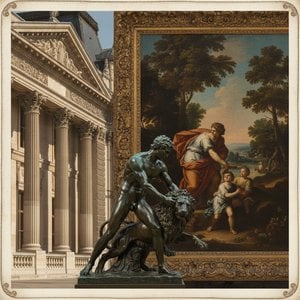
Explore the profound elegance of Baroque Classicism. Discover how 17th-century masters synthesized dramatic emotion with classical order through the lens of the Counter-Reformation and the works of legends like Carlo Maratta and Andrea Sacchi.

探索巴洛克艺术的辉煌!本文精选十部巨作,带您领略卡拉瓦乔、伦勃朗等大师的光影魔法与戏剧张力。从黄金时代到宗教绘画,感受奢华与精致。WahooArt.com为您提供博物馆品质的艺术复制品和家居装饰灵感。尽在WahooArt.com!


 效果预览
效果预览
 分享
分享 分享
分享
 详情
详情 指南
指南

 下载
下载
 相似作品
相似作品 X射线
X射线 幻灯片播放
幻灯片播放 统计数据
统计数据 展开详情
展开详情









 玻璃选项仅适用于110厘米以下的尺寸。


