OilWallArtSurrealism
 1927Modern
 55.0 x 46.0 cm
 Courtauld Gallery
由我们的艺术家按需定制,为您提供您所选尺寸及画框的布面手工油画。 ( 切换至版画销售渠道 切换至数字图像销售渠道)





























从与原作比例一致的预设尺寸中进行选择。

您可以输入自定义尺寸,以适配特定的画框或空间。如果所选尺寸与原图比例不符,我们将通过裁剪作品或添加手绘元素来扩展画面。数字样稿将在制作开始前发送给您确认。
请注意,屏幕预览无法准确反映实际的裁剪或扩展效果,只有样稿才能真实呈现最终的构图。
虽然我们提供定制尺寸服务,但为了保留原作比例,建议您从预设列表中选择尺寸。

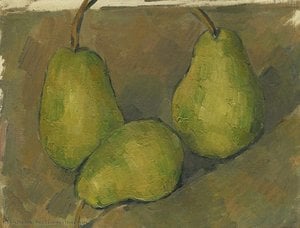
Still Life with Pears
复制品尺寸
In the quiet corners of art history, certain works possess the uncanny ability to transform the mundane into the monumental. Pavel Tchelitchew’s Still Life with Pears, painted in 1927, is a masterclass in this very alchemy. At first glance, the viewer is presented with a simple arrangement: a collection of verdant pears nestled within a pristine white bowl. Yet, beneath this deceptive simplicity lies the profound touch of a master who understood how to breathe life into inanimate objects. The composition radiates an unmistakable sense of freshness and abundance, as if the fruit were plucked from a sun-drenched orchard only moments before the brush met the canvas.
The painting captures a moment of suspended animation, where the weight and texture of each pear are rendered with such tactile precision that one can almost sense the cool, smooth skin against the fingertips. Tchelitchew utilizes a delicate interplay of light and shadow to create depth, positioning certain fruits in the foreground to invite the viewer into the bowl, while others recede into a soft, atmospheric blur. This layering technique creates a rhythmic movement across the 55 x 46 cm canvas, guiding the eye through a lush, emerald landscape of organic forms that feels both intimate and expansive.
While Tchelitchew is often celebrated for his more complex, dreamlike surrealist portraits and anatomical fantasies, Still Life with Pears showcases his incredible command over classical themes. Created during a pivotal era in the interwar period, the work reflects the artist's ability to ground his avant-garde sensibilities in the timeless tradition of the still life. There is no overt distortion here; instead, there is an intensification of reality. The greens are not merely colors but are layered with subtle nuances of lime, moss, and gold, suggesting a vitality that borders on the supernatural.
For the discerning collector or interior designer, this piece offers a unique versatility. It possesses the quiet dignity required for a sophisticated study or library, yet its vibrant palette provides a refreshing focal point for a contemporary living space. The painting does not demand attention through loud or jarring imagery; rather, it earns it through a persistent, gentle beauty that rewards prolonged contemplation. It serves as an anchor of tranquility, bringing the restorative essence of nature into the built environment.
Beyond its technical brilliance, the emotional resonance of this work lies in its celebration of life's simple bounties. In an era of rapid change and industrial upheaval, Tchelitchew’s focus on the organic and the edible serves as a poignant reminder of the earth's enduring generosity. The bowl is not merely a vessel but a symbol of sustenance and the cyclical nature of growth. To possess a reproduction of this work is to invite that spirit of abundance into one's home, surrounding oneself with an aura of peace and perennial renewal.


1898 - 1957

Embark on a visual journey through history's most opulent masterpieces. Explore the breathtaking beauty of Baroque banquets and fruit still lifes, celebrating themes of abundance and luxury through the lens of timeless classical art expertise.
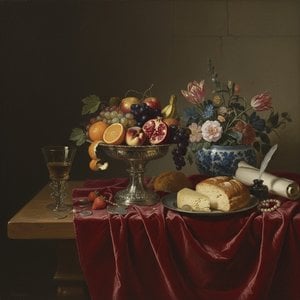
Embark on a sophisticated journey through the history of still life art. From Dutch Golden Age masterpieces to Baroque opulence, explore the profound symbolism and timeless beauty of the world's most exquisite table compositions.
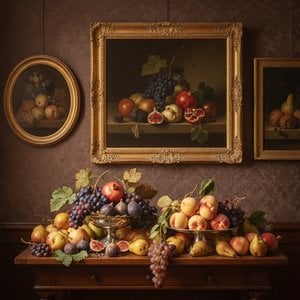
Discover the profound beauty of fruit still life paintings. Explore the rich symbolism, Baroque mastery, and timeless allure of nature's bounty through an art-historical lens, perfect for collectors and enthusiasts of classical fine art.

Embark on a sophisticated journey through art history with our exploration of still life masterpieces. Discover the profound symbolism behind classical paintings of drinks and fruit, curated for the true connoisseur seeking timeless elegance and academic depth.


 效果预览
效果预览
 分享
分享 分享
分享
 详情
详情

 下载
下载
 相似作品
相似作品 X射线
X射线 幻灯片播放
幻灯片播放 统计数据
统计数据 展开详情
展开详情









 玻璃选项仅适用于110厘米以下的尺寸。