
博物馆级艺术微喷或帆布版画,制作高效,并提供多种饰面选择。 ( 购买手绘画作 切换至数字图像销售渠道)





























从与原作比例一致的预设尺寸中进行选择。

您可以输入自定义尺寸,以适配特定的画框或空间。如果您选择的尺寸与原图比例不符,我们将对作品进行裁剪,或通过镜像填充/纯色填充边缘的方式来扩展图像。在开始制作之前,我们会向您发送一份数字效果图供您确认。
请注意,屏幕上的预览并不能反映实际的裁剪或扩展效果。只有效果图才能准确展示最终的构图。
虽然我们提供定制尺寸,但为了保持原图比例,我们建议您从预设列表中选择尺寸。

Capo de Noli
复制品尺寸
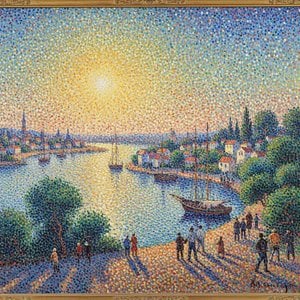
In the pantheon of Neo-Impressionist masterpieces, few works capture the ethereal dance between science and soul quite like Paul Signac’s 1898 triumph, Capo di Noli. This breathtaking canvas is far more than a mere coastal landscape; it is a profound meditation on the Mediterranean spirit, rendered through a lens of meticulous optical precision. As the viewer’s gaze meets the sun-drenched shores of the Italian Riviera, they are immediately transported to a tranquil vista overlooking Genoa. The scene unfolds with a rhythmic grace, where a solitary woman wanders along a path lined with lush, vibrant vegetation, her silhouette poised against the expansive, shimmering blue of the sea. Small boats dot the water like scattered jewels, while the subtle presence of another figure and a resting dog adds a layer of pastoral intimacy, grounding the vastness of the horizon in a moment of quiet, everyday serenity.
To behold Capo di Noli is to witness the revolutionary power of Pointillism. Moving beyond the spontaneous, fleeting brushstrokes of his Impressionist predecessors, Signac embraced a more systematic and scientific approach to color. He utilized tiny, distinct dots of pure, unblended pigment—often employing complementary hues—that do not merge on the physical canvas but rather interact within the viewer's own eye. This technique, known as Divisionism, creates an unparalleled sense of luminosity; the light does not simply sit upon the surface of the painting but seems to radiate from within it. For the discerning collector or interior designer, this creates a dynamic visual experience where the artwork breathes with a life of its own, constantly shifting in intensity as one moves through the room.
The historical significance of this work lies in Signac’s role as a pioneer who bridged the gap between the sensory freedom of Monet and the structured modernism of the twentieth century. Painted during a period of intense fascination with optical physics, Capo di Noli embodies the artist's desire to push the boundaries of color to their absolute extreme. Every dot of paint was a deliberate choice, a calculated step toward capturing the true essence of light as it strikes the Mediterranean coast. This dedication to accuracy and atmosphere makes the piece a cornerstone of art history, representing a moment when the artist became an explorer of both nature and the mechanics of human perception.
For those seeking to infuse a space with sophistication and calm, this painting offers an unparalleled emotional impact. Its palette—a harmonious blend of azure, emerald, and sun-kissed earth tones—evokes a sense of timelessness and peace. Whether placed in a grand gallery setting or as a focal point in a contemporary living space, a high-quality reproduction of Capo di Noli serves as a window to another world. It invites contemplation, offering a sanctuary of color and light that can transform the atmosphere of any interior, turning a room into a curated experience of beauty and historical depth.


1863 - 1935
Embark on a sophisticated journey into the luminous world of Neo-Impressionism. Uncover the scientific brilliance of Pointillism, from Georges Seurat’s revolutionary color theory to the mesmerizing magic of the dot. An expert exploration for true art history enthusiasts.
Discover the mesmerizing world of Pointillism. Explore the revolutionary techniques of Georges Seurat, the science of optical color mixing, and the enduring legacy of Neo-Impressionism in this expert guide for classical art enthusiasts.

Explore the ethereal beauty of Impressionist landscapes. Discover how masters like Monet captured fleeting light through color and texture, and learn to curate these timeless, luminous masterpieces for your home collection.

Explore the scientific brilliance of Seurat and Signac. Discover how Pointillism revolutionized color through optical mixing and light, offering a profound look into the Neo-Impressionist movement for true art connoisseurs and collectors.


 效果预览
效果预览
 分享
分享 分享
分享
 详情
详情 指南
指南

 下载
下载
 相似作品
相似作品 X射线
X射线 幻灯片播放
幻灯片播放 统计数据
统计数据


 展开详情
展开详情









 玻璃选项仅适用于110厘米以下的尺寸。


