
博物馆级艺术微喷或帆布版画,制作高效,并提供多种饰面选择。 ( 购买手绘画作 切换至数字图像销售渠道)





























从与原作比例一致的预设尺寸中进行选择。

您可以输入自定义尺寸,以适配特定的画框或空间。如果您选择的尺寸与原图比例不符,我们将对作品进行裁剪,或通过镜像填充/纯色填充边缘的方式来扩展图像。在开始制作之前,我们会向您发送一份数字效果图供您确认。
请注意,屏幕上的预览并不能反映实际的裁剪或扩展效果。只有效果图才能准确展示最终的构图。
虽然我们提供定制尺寸,但为了保持原图比例,我们建议您从预设列表中选择尺寸。

Little Tree Amid Shrubbery
复制品尺寸
Paul Klee’s 1919 painting, *Little Tree Amid Shrubbery*, is more than a simple depiction of a tree; it’s an intimate meditation on nature, color, and the very act of seeing. Executed during a pivotal period in Klee's artistic development – a time when he was actively exploring the boundaries between representation and abstraction – this work exemplifies his signature style: a delicate balance of whimsical charm and profound emotional resonance. The painting’s immediate impact lies in its deceptively simple composition. A small, solitary tree dominates the foreground, nestled within a dense thicket of green bushes, all set against a vibrant, almost aggressively cheerful, red background. This bold color choice immediately draws the viewer's eye, creating a focal point that is both inviting and slightly unsettling.
Created in the aftermath of World War I, *Little Tree Amid Shrubbery* firmly resides within the Expressionist movement, though it transcends simple categorization. Klee was deeply influenced by the tenets of Expressionism – a desire to convey subjective emotion rather than objective reality – but he resisted any rigid adherence to its stylistic conventions. The painting’s loose brushwork, fragmented forms, and emphasis on color are hallmarks of his approach. However, unlike many Expressionists who sought to depict suffering or turmoil, Klee imbues this scene with a sense of quiet contemplation and perhaps even childlike wonder. His Swiss upbringing, steeped in musical tradition – his father was a music teacher – undoubtedly played a role in shaping his artistic sensibility, influencing his understanding of composition as a form of abstract expression akin to musical arrangement.
Klee’s technique is characterized by meticulous layering and subtle gradations of color. He employed oil paints with a remarkable sensitivity, building up textures and tones through countless thin glazes. The red background isn't merely a backdrop; it actively participates in the painting's emotional impact, creating a sense of depth and amplifying the vibrancy of the greens and browns. Notice how he uses broken color – small, distinct areas of pigment – to create an impressionistic effect, capturing not just the visual appearance of the tree but also its essence. The deliberate blurring of edges and forms contributes to the painting’s dreamlike quality, inviting the viewer to lose themselves in the scene.
*Little Tree Amid Shrubbery* has been interpreted as a symbol of resilience, growth, and perhaps even hope amidst uncertainty. The solitary tree, vulnerable yet steadfast, can be seen as representing the human spirit’s ability to endure hardship. The red background, often associated with passion and vitality, adds another layer of meaning. Ultimately, however, the painting's power lies in its ambiguity. Klee deliberately avoids offering a definitive interpretation, allowing viewers to project their own emotions and experiences onto the scene. The work evokes a feeling of serene contemplation, inviting us to pause and appreciate the beauty and fragility of the natural world.

1879 - 1940 , 瑞士

探索保罗·克利25幅杰作,领略抽象艺术的魅力!深入了解克利作品背后的故事、色彩构成与艺术灵感。WahooArt.com提供高清油画复制品,为您的家居装饰增添艺术气息。立即在线探索完整系列!

探索几何抽象艺术的十大杰作!康定斯基、蒙德里安等大师作品,色彩构成与非具象之美。WahooArt.com提供博物馆级艺术复制品,为您的家居带来现代艺术灵感。立即在线探索完整系列!

Explore the captivating world of Paul Klee! Discover his innovative art, Bauhaus influence, & unique symbolic language. Expert analysis & high-quality reproductions at WahooArt.

Journey through Wassily Kandinsky's 25 most iconic abstract paintings. Explore his revolutionary use of color, form & spiritual expressionism. Find museum-quality Kandinsky reproductions and elevate your home decor with WahooArt.com. Discover all masterpieces on WahooArt.com!
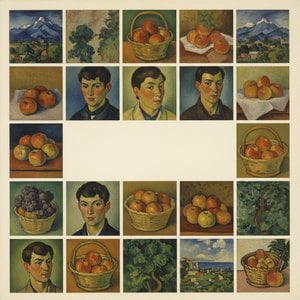
探索保罗·塞尚25幅经典杰作!深入了解后印象派大师的艺术生涯、独特技法与色彩运用。WahooArt提供高清油画复制品,为您的家居带来博物馆级艺术体验。立即发现更多名画,点亮生活空间!


 效果预览
效果预览
 分享
分享 分享
分享
 详情
详情

 下载
下载
 相似作品
相似作品 X射线
X射线 幻灯片播放
幻灯片播放 统计数据
统计数据

 展开详情
展开详情









 玻璃选项仅适用于110厘米以下的尺寸。


