由我们的艺术家按需定制,为您提供您所选尺寸及画框的布面手工油画。 ( 切换至版画销售渠道 切换至数字图像销售渠道)





























从与原作比例一致的预设尺寸中进行选择。

您可以输入自定义尺寸,以适配特定的画框或空间。如果所选尺寸与原图比例不符,我们将通过裁剪作品或添加手绘元素来扩展画面。数字样稿将在制作开始前发送给您确认。
请注意,屏幕预览无法准确反映实际的裁剪或扩展效果,只有样稿才能真实呈现最终的构图。
虽然我们提供定制尺寸服务,但为了保留原作比例,建议您从预设列表中选择尺寸。

Conqueror
复制品尺寸
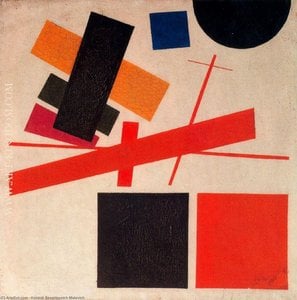
In the vast landscape of twentieth-century abstraction, few works possess the rhythmic tension and symbolic depth found in Paul Klee’s 1937 masterpiece, “Conqueror.” To encounter this painting is to step into a realm where the boundaries between music and vision dissolve, leaving behind a visual melody composed of sharp edges and vibrant hues. Klee, a master who viewed the canvas as a stage for cosmic movement, presents us with a narrative that feels both ancient and avant-garde. At its heart, the work depicts a solitary figure poised with a bow and arrow, standing in defiant confrontation against a monumental cube. This is not merely a depiction of a hunter; it is an exploration of the human spirit’s encounter with the overwhelming, structured forces of existence.
The composition is a masterclass in balanced tension. Klee utilizes a tripartite arrangement, placing the central figure before a colossal geometric monolith, flanked by two smaller cubes that anchor the scene. This deliberate structuring creates a sense of contained energy, as if the very air around the figure is vibrating with the potential for action. The figure’s posture, bolstered by a shield visible upon his back, speaks to a profound resilience—a visual metaphor for the courage required to face life's most daunting obstacles. For the collector or interior designer, this piece offers a sophisticated focal point that commands attention through its structural integrity and its ability to anchor a room with both weight and whimsy.
Klee’s technique in “Conqueror” eschews the sterile precision often associated with geometric abstraction, opting instead for an expressionist vitality that breathes life into every shape. His brushstrokes are bold and textured, defining the contours of the human form and the massive cubes with a dynamism that suggests movement even within static forms. The artist’s palette is a carefully orchestrated clash of primary energies; vibrant yellows, deep reds, and piercing blues interact to create a visual richness that transcends mere decoration. These colors do not simply sit upon the surface; they evoke an emotional temperature, ranging from the warmth of sunlight to the urgent apprehension of a looming shadow.
This interplay of color and texture invites a tactile engagement with the work. The surface of the painting possesses a rhythmic quality, mirroring Klee’s lifelong fascination with musical arrangement. As one observes the way the light seems to catch the layered pigments, the painting reveals itself as a "visual music"—a term often used by scholars to describe Klee's ability to translate auditory harmony into graphic form. For those seeking to adorn a space with art that inspires deep contemplation, “Conqueror” provides an inexhaustible well of detail, rewarding the eye with new discoveries upon every viewing.
Understanding “Conqueror” requires acknowledging the historical weight Klee carried during its creation. Painted in 1937, a period of immense global upheaval, the painting’s themes of confrontation and protection resonate with a timeless psychological truth. Klee, a Swiss-born artist who navigated the complex movements of Cubism, Surrealism, and Expressionism, had reached a pinnacle of maturity where he could manipulate the most basic elements of art—line, dot, and plane—to communicate the most complex human emotions. The work stands as a testament to his ability to find the "hidden rhythms of the universe" within the simplest of shapes.
Integrating a high-quality reproduction of this masterpiece into a contemporary interior allows for a bridge between historical significance and modern aesthetic sensibilities. Whether placed in a minimalist gallery setting or a richly textured study, “Conqueror” brings with it an aura of intellectual depth and artistic prestige. It is more than a painting; it is an invitation to witness the triumph of form over chaos, making it an essential acquisition for anyone dedicated to the enduring power of fine art.

1879 - 1940 , 瑞士

Explore the profound depth of Cubist Expressionism. Discover how geometric precision meets raw emotion through the lens of avant-garde masters, offering sophisticated insights for discerning art collectors and connoisseurs of modern abstraction.

Explore the profound legacy of American Modernism. From Geometric Abstraction to Abstract Expressionism, discover how this era redefined art history. Expert insights for elite collectors seeking to curate timeless, museum-quality masterpieces for their private collections.


 效果预览
效果预览
 分享
分享 分享
分享
 详情
详情

 下载
下载
 相似作品
相似作品 X射线
X射线 幻灯片播放
幻灯片播放 统计数据
统计数据

 展开详情
展开详情









 玻璃选项仅适用于110厘米以下的尺寸。