
博物馆级艺术微喷或帆布版画,制作高效,并提供多种饰面选择。 ( 购买手绘画作 切换至数字图像销售渠道)
从与原作比例一致的预设尺寸中进行选择。

您可以输入自定义尺寸,以适配特定的画框或空间。如果您选择的尺寸与原图比例不符,我们将对作品进行裁剪,或通过镜像填充/纯色填充边缘的方式来扩展图像。在开始制作之前,我们会向您发送一份数字效果图供您确认。
请注意,屏幕上的预览并不能反映实际的裁剪或扩展效果。只有效果图才能准确展示最终的构图。
虽然我们提供定制尺寸,但为了保持原图比例,我们建议您从预设列表中选择尺寸。

Don Quixote (81)
复制品尺寸
Gustave Doré’s “Don Quixote” (81) isn't merely an illustration; it’s a visceral plunge into the heart of Cervantes’ epic tale. Executed in stark black and white, this double-page composition captures two pivotal moments from the novel – the chaotic clash of knights and the quiet encounter between Don Quixote and his fellow traveler, the Knight of the Woods – with an intensity that transcends mere representation. Doré's mastery lies not just in depicting the scene but in imbuing it with a palpable sense of drama, movement, and the inherent contradictions at the core of the story’s themes.
The top panel explodes with frenetic energy. Doré meticulously renders the battle as a swirling vortex of armored figures, each engaged in desperate combat. The use of hatching and cross-hatching is breathtakingly effective, generating an astonishing level of texture and volume that gives the impression of raw physicality. Lines aren’t simply delineating forms; they are actively conveying motion – the lunge of a sword, the rearing of a horse, the desperate cries of warriors lost in their delusion. The dramatic lighting, casting deep shadows, amplifies this sense of turmoil, reflecting Don Quixote's skewed perception of reality and the inherent chaos of his quest.
Doré’s technique is a testament to his unparalleled skill as a printmaker. He eschews photographic realism in favor of a highly stylized approach, prioritizing clarity of detail and narrative impact. The flattened perspective, while not strictly accurate, serves to heighten the dramatic effect, drawing the viewer directly into the scene's emotional core. This isn’t a study of physical accuracy; it’s an exploration of psychological truth – Don Quixote’s distorted view of the world is mirrored in Doré’s deliberate manipulation of space and form.
The dominance of manual line drawing is crucial to understanding Doré's work. Each stroke, each carefully placed hatching, contributes to the overall effect, demanding a significant investment of time and skill. This painstaking process results in an image that feels both monumental and intensely personal – a reflection of Doré’s unwavering dedication to his craft.
Beyond its technical brilliance, “Don Quixote” is rich with symbolic meaning. The chaotic battle scene represents not just physical conflict but the broader struggle between idealism and reality, illusion and truth. Don Quixote’s unwavering belief in his chivalric fantasies, despite overwhelming evidence to the contrary, becomes a powerful metaphor for human aspiration and the dangers of unchecked imagination.
The quieter encounter with the Knight of the Woods – depicted with a more static composition and softer lighting – offers a contrasting perspective. It highlights the importance of companionship and shared delusion in Don Quixote’s world. The scene embodies the novel's central themes of chivalry, friendship, and the blurring lines between fantasy and reality. The figures are not simply observers; they are active participants in the creation of this fantastical narrative.
“Don Quixote” (81) stands as a quintessential example of 19th-century illustration, firmly rooted in the Romantic tradition. Doré’s work influenced generations of artists and continues to captivate viewers with its dramatic intensity and profound exploration of human nature. A hand-painted reproduction offers an unparalleled opportunity to experience this iconic image – to appreciate Doré's genius firsthand and to immerse oneself in the timeless story of Don Quixote.

1832 - 1883 , 法国
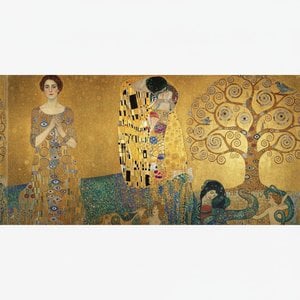
探索古斯塔夫·克林姆25幅传世名画,领略维也纳分离派的金色辉煌!深入了解每一件艺术品的创作故事与象征意义。WahooArt.com提供博物馆级高质量复制品,为您的家居带来艺术灵感。立即在线探索完整系列!

Journey through 19th century art with WahooArt! Explore 10 iconic paintings – from Monet & Renoir to Courbet – and discover the stories behind Romanticism, Realism & Impressionism. Find museum-quality reproductions for your home decor. Explore the full collection online!

Explore the captivating world of Gustave Doré, master of Romantic realism & iconic illustrator. Discover his dramatic wood engravings, paintings, and sculptures – a legacy shaping art history. Learn more at WahooArt.

探索保罗·塞尚25幅经典杰作!深入了解后印象派大师的艺术生涯、独特技法与色彩运用。WahooArt提供高清油画复制品,为您的家居带来博物馆级艺术体验。立即发现更多名画,点亮生活空间!

探索保罗·克利25幅杰作,领略抽象艺术的魅力!深入了解克利作品背后的故事、色彩构成与艺术灵感。WahooArt.com提供高清油画复制品,为您的家居装饰增添艺术气息。立即在线探索完整系列!


 效果预览
效果预览
 分享
分享 分享
分享
 详情
详情

 下载
下载
 相似作品
相似作品 X射线
X射线 幻灯片播放
幻灯片播放 统计数据
统计数据
 展开详情
展开详情






































 玻璃选项仅适用于110厘米以下的尺寸。


